Shun Classic 8-Inch Chef Knife Review: Blade, Sharpness, and Handle Tested
Are you looking for a chef knife that feels like part of your hand? Many home cooks want a blade that slices cleanly and feels good in the grip. The Shun Classic 8 inch Chef Knife aims to deliver both.
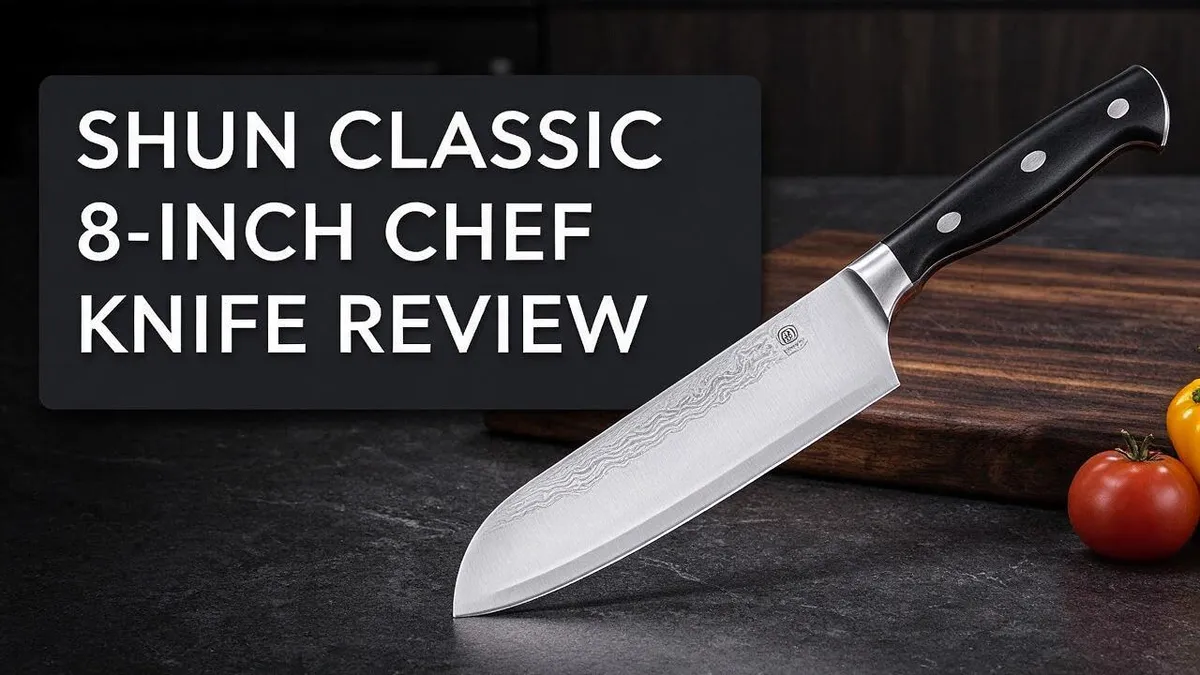
Shun builds this knife with a VG MAX core. It sits at 61 HRC and has a sharp 16 degree edge. Each side has 34 layers of bonded steel, which creates a beautiful ripple pattern.
Sharp, thin, and light describes the feel of this knife. It slices tomatoes, onions, and herbs with very little effort. The D shaped ebony PakkaWood handle sits warm and secure in your palm.
In this review, we look at how the knife performs in everyday kitchen tasks. We also cover its strengths, its drawbacks, and who it suits best. Keep reading to see if this knife earns a place in your kitchen.
In a Nutshell
-
Strong steel layers: The blade uses 34 bonded steel layers on each side. This mix of stainless steel types adds strength and a striking look.
-
Striking ripple finish: A ripple Damascus pattern covers the blade. The D shaped ebony PakkaWood handle pairs well with this bold design.
-
Handcrafted with care: Shun says each knife needs at least 100 handcrafted steps. You can see that attention in the smooth fit and finish.
-
Balanced feel: This model feels lighter than the Shun Premier. Its handle balance helps you control each cut with less effort.
-
Strong competitor edge: It faces off against the Wüsthof Classic and Western style knives rated 58 HRC. Many buyers compare these options before they choose.
-
Needs regular upkeep: Plan to sharpen this knife more often than traditional Western knives. Use a soft cutting board and good technique to protect the edge.
Blade Steel and Construction

- JAPANESE CHEF KNIFE: The Shun Classic 8-inch Chef's Knife is expertly designed for a variety of...
- PIONEERING EXCELLENCE: Bring home a piece of the renowned Classic Series – the original authentic...

Last update on 2026-11-01 / Affiliate links / Images from Amazon Product Advertising API Some of the links on this website are affiliate links, which means that at no additional cost to you, I earn a commission if you click through and make a purchase. I only recommend products and services that I believe will add value to my readers. Thank you for your support!
Many cooks care most about what sits inside the blade. This knife uses a hard core wrapped in softer steel. The outer layers shield the core from moisture, which helps the knife resist rust during busy weeks.
Hardness changes how the edge behaves on the cutting board. A hard core holds a fine point through daily prep. Cooks often notice that the edge stays keen between honing sessions. Still, hard steel can chip if you hit bone or frozen food, so keep the knife away from those tasks.
The layered build also affects how food releases from the blade. Each layer adds to the surface that meets your ingredients. You may find that herbs and tomato skins fall away rather than cling. Soft produce lifts off with less drag.
Construction also depends on how the parts join together. The handle and blade should feel like one tool in your grip. When the joint sits well, your wrist stays relaxed during long chopping sessions. Good assembly keeps your hold steady from start to finish.
Knife construction also shapes how the blade handles pressure. A firm core and a steady spine help the knife track straight through dense produce like squash or beets. You can press down with confidence rather than wrestling the blade.
Care matters just as much as craftsmanship. Hand wash the knife and dry it right away. This habit protects the steel and the layered pattern. Never soak the knife in the sink or toss it into a dishwasher. Store it on a magnetic strip or in a wooden block to protect the edge.
In short, the steel and build give this knife a solid foundation. Treat it well, and it can serve you for years. Many home cooks find that gentle washing and proper storage make the biggest difference.
Edge Sharpness and Slicing Performance
Sharpness shapes every cut you make. This knife starts with a keen edge that glides through food.
A thin blade helps too. It passes through produce with less pressure, so your hand stays relaxed.
Think about a ripe tomato. A dull blade squashes the skin, but this edge slices cleanly.
Slicing performance shows the real difference. Thin, even slices of onion, cucumber, and cooked chicken look neat on the plate.
Clean slices also keep juices inside the food. Tomatoes and citrus stay firm instead of crushed.
The 16 degree edge angle plays a key role here. A narrow angle cuts into food fast, but it can chip if you force it.
The hard core helps the edge hold its line during long prep sessions. Fewer passes are needed to keep slices consistent.
Herbs and leafy greens need gentle handling. A sharp edge bruises them less, so basil stays green and bright.
Long, smooth strokes work well with this blade. Crusty bread slices without tearing the inside, and cheese cuts cleanly.
Less drag means quicker work during busy dinner prep. Your rhythm stays steady from start to finish.
Cutting technique changes results too. Keep the tip on the board and let the heel handle the heavy cuts.
Soft boards matter for slicing. A wood or plastic surface protects the edge from tiny chips. Glass or stone surfaces dull it quickly.
A quick pass on a honing rod every few meals keeps the line straight. This small habit protects the edge between deeper sharpening sessions.
Home cooks who slice daily will notice the difference. The knife rewards steady technique with precise, effortless results.
Overall, this knife excels at slicing. Its edge stays keen, and every cut feels controlled.
Handle Design and Grip Comfort
The handle does more work than most people expect. Your hand stays wrapped around it during every chop, slice, and dice.
The Shun Classic uses a D shaped handle made from ebony PakkaWood. This shape fits the palm well. Your fingers can rest in a natural position.
Many cooks describe the grip as smooth and comfortable. The surface feels pleasant against the skin during long sessions.
The handle also feels warm to the touch. Wood holds a gentle warmth that feels more inviting than cold metal.
A secure grip matters most when food gets messy. Wet hands can slip on some handles. This one keeps a firm hold during quick, steady cuts.
Comfort also affects how long you can cut without a break. A good handle reduces hand fatigue. You can keep working through a big pile of vegetables.
Two common grips feel natural here. With a pinch grip, you hold the blade just above the handle. With a handle grip, you wrap your fingers fully around the wood.
Precise work also depends on the grip. Fine dicing and garlic mincing need a firm hold on the wood. Your hand stays steady when the blade moves in small strokes.
The joint where the handle meets the blade looks tidy. Fit and finish appear flawless, with no rough spots to catch your fingers.
Hand size plays a role too. Cooks with different hand sizes should test the knife in person when possible. A short test shows whether the handle suits your grip. Try holding the knife with a few different grips before you decide.
On a long cooking night, a comfortable handle matters even more. Your hands move fast, and a good grip prevents slips.
Wood handles need a gentle hand. Dry the handle soon after washing to protect it.
Overall, this handle keeps the knife comfortable and controlled. It feels like a natural extension of your hand.
Top 3 Alternatives
If you want a different chef knife, these three options are worth a look. Each one offers something a little different.
Wüsthof Classic Chef Knife

- KITCHEN WORKHORSE – The WÜSTHOF 8” Classic Chef’s Knife is essential for preparing any meal...
- WÜSTHOF CLASSIC SERIES – The Full Tang, Triple Riveted handles of the Classic Line offer the...
Last update on 2026-11-01 / Affiliate links / Images from Amazon Product Advertising API Some of the links on this website are affiliate links, which means that at no additional cost to you, I earn a commission if you click through and make a purchase. I only recommend products and services that I believe will add value to my readers. Thank you for your support!
The Wüsthof Classic is a German favorite. It has a sturdy, full-tang build that feels solid in your hand.
Its forged blade holds an edge well. Many home cooks like its comfortable handle and classic look.
Best for: Cooks who want a heavy, durable knife for everyday tasks.
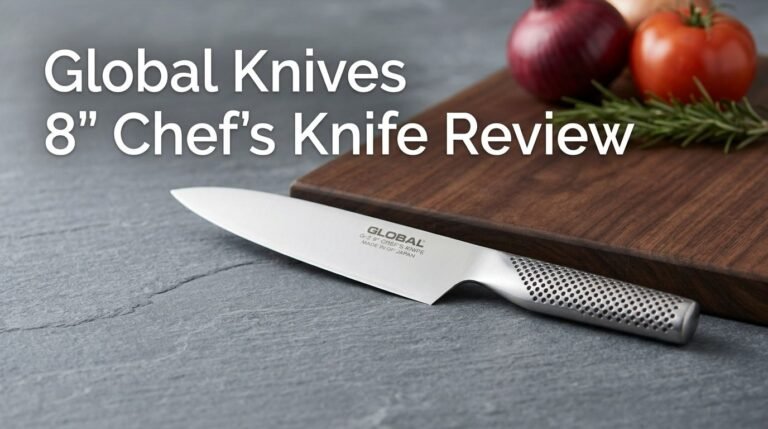
Global G-2 Chef Knife

- Lightweight, precisely balanced 8-inch or 20cm chef's knife
- Blade made of high-tech molybdenum/vanadium stainless steel
Last update on 2026-11-01 / Affiliate links / Images from Amazon Product Advertising API Some of the links on this website are affiliate links, which means that at no additional cost to you, I earn a commission if you click through and make a purchase. I only recommend products and services that I believe will add value to my readers. Thank you for your support!
The Global G-2 takes a very different approach. It has a sleek, all-steel body with no bulky handle.
Its thin blade makes precise cuts easy. The lightweight feel helps during long prep sessions.
Best for: Cooks who prefer a light, modern knife with sharp precision.
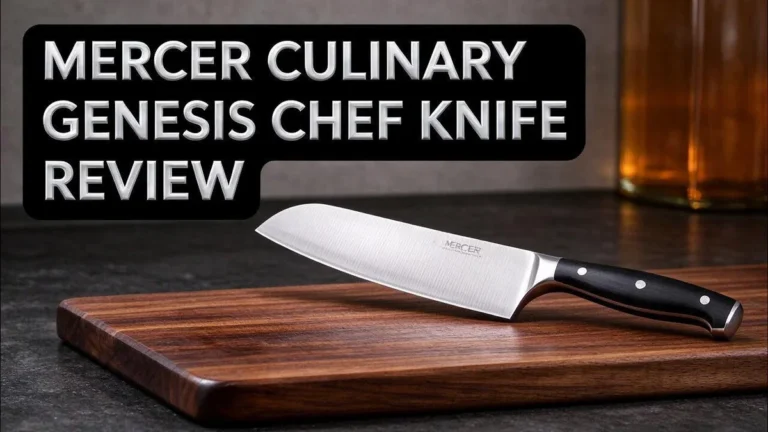
Mercer Culinary Genesis

- QUALITY CONSTRUCTION: Knife is precision-forged with high-carbon German steel for better durability...
- SUPERIOR DESIGN: The finest handle in forged cutlery; built to last ergonomic handle offers comfort...
Last update on 2026-11-03 / Affiliate links / Images from Amazon Product Advertising API Some of the links on this website are affiliate links, which means that at no additional cost to you, I earn a commission if you click through and make a purchase. I only recommend products and services that I believe will add value to my readers. Thank you for your support!
The Mercer Culinary Genesis offers strong value for its quality. It features a high-carbon steel blade and a textured handle.
The grip stays secure, even when your hands are wet. Its balanced weight keeps your wrist relaxed during repeated cuts.
Best for: Cooks who want a dependable knife for daily kitchen work.
Each of these knives suits a different style of cooking. Pick the one that matches your grip, your budget of time, and your favorite kitchen tasks.
Sharpening and Long-Term Maintenance
Sharpening is a regular habit with this knife. Think of it as part of your kitchen routine rather than a rare chore. A little attention each week keeps the edge ready for clean cuts.
Honing comes first. Use a ceramic or steel honing rod before most cooking sessions. Light strokes at the right angle realign the edge. This simple step often saves you from heavier sharpening work.
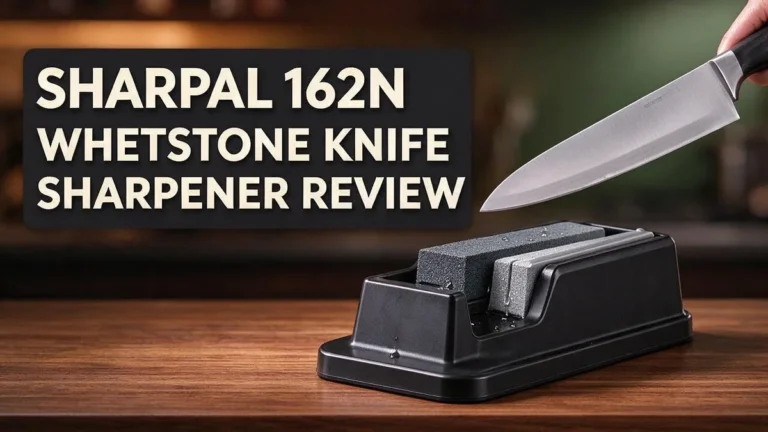
Pick the right sharpener for the job. A whetstone gives you the most control over the edge. Many home cooks prefer a guided sharpener because it holds the angle for them. Either option works well if you stay patient.
Keep the angle steady. Aim for the same angle on every pass. The fine edge can wear down fast if you press too hard. Slow, even strokes protect the blade and keep your results consistent.
Clean and dry after every use. Wash the blade by hand with warm water and mild soap. Dry it right away with a soft towel. Water left on the blade can dull its finish over time.
Never place this knife in the dishwasher. The heat and harsh detergent can damage the handle. Hand washing protects both the PakkaWood handle and the steel.
Store it with care. Use a magnetic strip, a knife block, or a blade guard. Loose storage in a drawer lets the edge bump other tools. A protected edge stays sharp for longer.
Choose the right cutting surface. A soft board made of wood or plastic helps protect the edge. Hard surfaces like glass or stone can chip the blade quickly. Good habits make every sharpening session easier.
Plan a sharpening schedule that fits your cooking. Heavy home cooks may need a touch up every few weeks. Light users can wait longer between sessions. Sharpen the blade when thin slices start to tear instead of glide.
With steady care, this knife rewards you for years. Small habits add up to a blade that performs well every day.
Cutting Technique and Board Compatibility
Smooth motions matter most. Use a push cut or a draw cut for thin slices. Lift the blade straight up and down. Avoid twisting the knife sideways, because that pressure can damage the edge over time.
Hard foods need a different tool. Skip bones, frozen meat, and thick squash skins with this knife. Those tasks can chip the thin edge. Reach for a cleaver or a sturdier knife instead.
Scrape with the flat side. Move chopped food with the back of the blade or a bench scraper. Sliding the sharp edge across the board wears it down fast.
Wood boards suit this knife best. Maple and walnut boards offer a gentle surface that cushions the edge. End grain boards feel the kindest, though edge grain options also work well.
Glass, stone, and marble need avoiding. These surfaces are far harder than the blade. Each cut can dull the edge quickly. Keep these surfaces for serving, not chopping.
Bamboo deserves a closer look. Bamboo is harder than many woods, so it can wear the edge faster. Many cooks choose it for looks, but a softer board protects the knife better.
Soft plastic boards work too. Choose a flexible plastic board that stays put on the counter. Replace it when deep knife marks appear, since those grooves can trap bacteria.
A stable board makes cutting safer. Place a damp towel under the board to stop slipping. A steady surface lets you focus on each slice instead of the board.
Test your setup before big prep. Slice a few onions or tomatoes first. Watch how the blade glides and how the board reacts. Adjust your angle and pressure until each cut feels easy.
Pros and Cons
Pros
– The blade is sharp and thin for clean slicing.
– Its flexible build resists sticking to food.
– It feels lighter and better balanced than the Shun Premier.
– Shun says each knife takes at least 100 handcrafted steps.
– The ripple Damascus finish looks striking on any counter.
Cons
– The edge dulls faster than many Western knives.
– It rewards good technique and can punish rushed cuts.
– It can feel delicate during heavy, everyday chopping.
Who Should Buy It
This Shun Classic chef knife suits a certain kind of cook. It fits best for home cooks who love precise prep work and want a sharp tool for daily meals.
If you slice tomatoes, herbs, and fish most days, this blade feels right at home. Its thin edge produces clean, even cuts. Every slice looks neat on the cutting board.
The knife also suits people who enjoy learning. Good technique brings out its best qualities. Beginners who want to build skills can grow with it over time.
Culinary students and weekend hobby cooks gain a lot from this knife. It rewards precision, so practice shows results quickly. Students who train daily often notice faster progress.
Owners who enjoy a small daily routine will feel at ease with this knife. They see upkeep as part of cooking, not a chore.
Cooks who chop bones, frozen meat, or dense squash need a sturdier tool. A heavy cleaver or a thicker utility knife handles that work better. This knife is not built for rough jobs.
Busy kitchens with many hands can also be a poor match. Shared knives used in a hurry may not get the care this blade needs. In those homes, a sturdier knife may suit everyone better.
Cooks who grew up with heavier Western style knives often need time to adjust. Their rocking motion feels different on a thinner blade. Practice soon makes the switch feel natural.
Sushi lovers and fish fans may also appreciate the clean cut through delicate fillets. The edge glides through soft flesh without tearing it.
This knife suits enthusiastic home cooks best. Anyone who wants a sharp, precise tool and enjoys a little upkeep should feel right at home. Others may prefer a sturdier option for everyday rough work. Gift givers who know a cook’s habits can also pick this knife with confidence.
Final Verdict
The Shun Classic Eight Inch Chef Knife earns a strong place in a home kitchen. It handles daily prep with precision and grace. Most cooks notice the difference on their very first clean slice.
Overall, this knife delivers a refined feel. Every detail feels intentional, from the balance to the grip. Hands tend to relax during long sessions of chopping and dicing.
The knife rewards people who care about their tools. It asks for a bit of attention in return. A quick honing routine and regular hand washing keep the edge in top shape.
Think of this knife as a partner rather than a disposable tool. It rewards patience and steady habits. Over time, many owners develop a stronger sense of how a blade should feel.
Compare before you commit. Shoppers often weigh this model against the Wüsthof Classic. Hold both knives if you can. Notice the weight, the handle shape, and how each one feels during a few test cuts.
Heavier knives feel secure to some cooks. Lighter knives feel quick and nimble to others. Your own hand decides which style fits best.
New owners should give it a week. Early cuts may feel different from older knives. Adjusting your grip and pace helps the blade shine sooner than expected.
Cooks who already own a few knives may find this one fills a gap. It works as a dependable main blade beside smaller utility knives. Many home cooks find it becomes their first reach every evening.
Our final take is simple. This chef knife suits cooks who value precision and enjoy the craft of cooking. It may frustrate anyone who wants a tough, forgiving workhorse for rough tasks.
Care for it well, and it returns that effort with years of steady performance.
Frequently Asked Questions
Is this knife a good first chef knife?
Yes, it can be. New cooks should start with slow, controlled cuts. The thin blade rewards patience, so beginners often learn good habits faster with it. Keep a steady grip and let the edge do the work.
How should I clean and store it?
Hand wash the knife right after each use. Dry it at once so moisture never sits on the steel. Store it on a magnetic strip or in a knife block. Loose storage in a drawer can chip the edge.
How often should I hone it?
Hone the edge with a ceramic rod before most cooking sessions. This keeps the blade straight between sharpenings. When the edge starts to feel dull, schedule a professional sharpening. This step restores the sharp, clean cut that many owners love.
What is the blade made of?
The knife uses a VG MAX core rated 61 HRC. Layers of stainless steel wrap around that core on each side. This mix gives the blade strength and a sharp edge. The layers also create the rippled pattern that makes the knife easy to recognize on a counter.

Hi, I’m Greta Monroe, and I’m passionate about making every kitchen a place of creativity and efficiency. I’ve spent years exploring and testing kitchen gadgets, tools, and devices to help home cooks find exactly what they need. At ChefKit Blog, I share honest Amazon product reviews and practical insights on kitchen essentials that actually make a difference. From must-have basics to innovative new devices, I break down what works and what doesn’t. My mission is simple: to help you build a kitchen that inspires delicious possibilities every single day.