Zwilling Pro 7-Inch Santoku Review: Worth Buying?
Looking for a knife that feels light and easy to control? The Zwilling Pro 7 inch Santoku could become your go-to tool.
It offers a compact size. Cooks who feel nervous with large knives often find it comfortable.
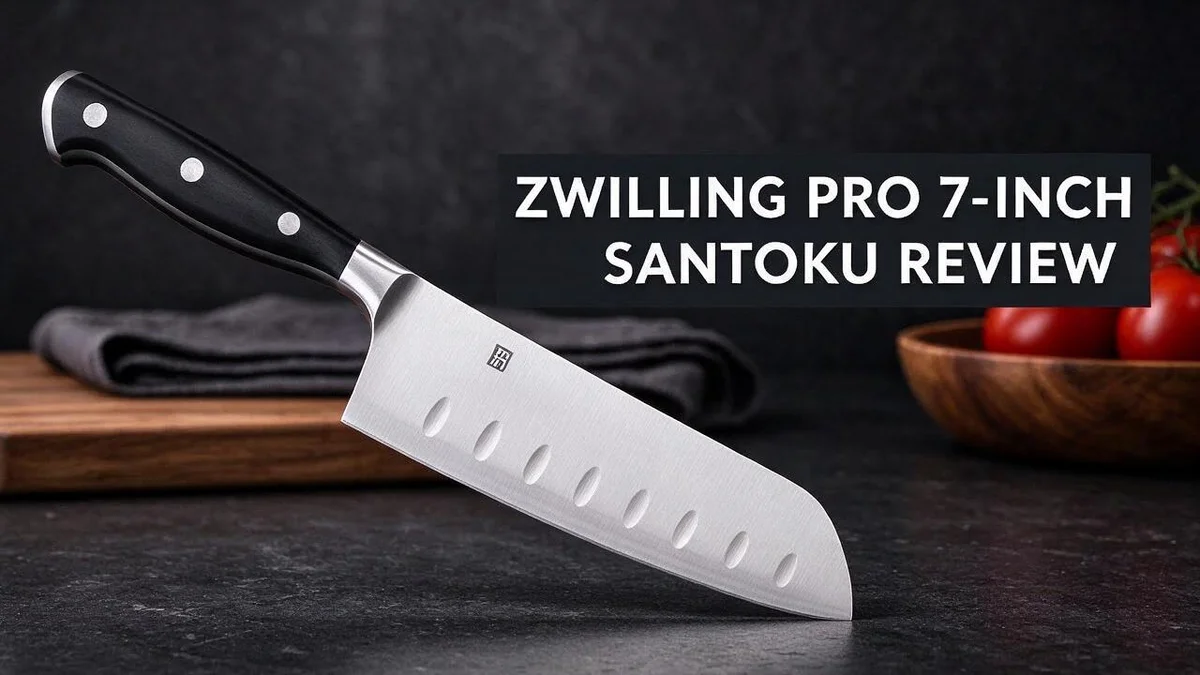
Its curved blade supports smooth rocking and chopping motions. The hollow edge has small indentations that help food release more easily.
Many reviewers praise the sharp edge, edge retention, and solid build quality. The stainless steel also resists corrosion, so it holds up well over time. It even earned a Shopper Approved five star award.
Is it the right pick for your kitchen? In this review, you will learn about its design, performance, and main competitors. Let’s find out if it earns a spot in your knife block.
In a Nutshell
-
Comfort for pinch grip: The demi bolster gives a steady hold for cooks who pinch the blade near the handle. This design can reduce hand strain during long meal prep.
-
Balanced feel: Many users say the knife sits well in the hand. Its weight stays even, so cuts feel smooth and controlled.
-
Full tang build: The steel runs through the entire handle. This construction adds strength and helps the knife last for years of daily use.
-
Rust resistance: Stainless steel holds up well against corrosion. Regular washing and humid kitchens rarely cause much trouble.
-
Shopper Approved honor: The knife earned a five star award from Shopper Approved. This recognition shows that everyday buyers rate it highly.
-
Strong rival: Some reviewers prefer the Souma FKM for its grind and tip. Compare both knives to find the best match for your kitchen.
Blade Design and Shape

- 101 layers of new Zwilling Friodurx2 ice-hardened premium steel with Damascus design encasing the...
- 63° Rockwell Hardness, 9-12° double bevel blade angle for scalpel-like sharpness and extreme...
Last update on 2026-11-03 / Affiliate links / Images from Amazon Product Advertising API Some of the links on this website are affiliate links, which means that at no additional cost to you, I earn a commission if you click through and make a purchase. I only recommend products and services that I believe will add value to my readers. Thank you for your support!
The blade shape gives this knife a clear purpose. Its flatter cutting edge works well for straight, downward cuts. Cooks can slice through onions, herbs, and boneless meat with steady strokes. This shape sits between a chef knife and a utility knife.
The profile also looks sleek on the cutting board. A smooth line runs from the bolster to the tip. Many cooks enjoy how the knife looks as much as how it cuts.
The tip deserves a closer look. It helps with fine work, such as trimming fat or scoring the skin on fish. Handling the knife in a store shows how the tip feels to you.
The grind shapes how food separates from the blade. A thinner grind slips through produce with less force. A thicker grind adds strength but may feel heavier in the hand. Cooks should weigh these tradeoffs based on their daily tasks.
Blade height matters too. A moderate blade height keeps knuckles clear of the cutting board. This helps cooks who chop with a steady rhythm.
Cutting technique also changes with this shape. A push cut works well for thin slices of tomato. A gentle downward press suits dense squash and potatoes.
Many home cooks also notice how the blade handles bulk prep. A flat side helps scoop chopped onions onto a pan. Cooks can also use the flat side to smash garlic.
Cleaning the hollow edge takes a little extra time. Small bits of food can sit in the dips. A soft brush or sponge clears them quickly. Hand washing also protects the sharp edge.
Overall, the design suits home cooks who want precise control. The profile, tip, and grind work together during prep. Readers who value a clean look and steady cuts should find this shape appealing.
Sharpness and Edge Retention
Sharp knives make everyday cooking faster and safer. Many people judge a knife by how well it keeps its bite. This Santoku earns strong praise on both counts, so it deserves a closer look.
Edge retention describes how long a blade stays sharp between sharpening sessions. Owners often report that this knife holds a clean cutting line through many meals. Steady performance like this saves time at the sink and on the cutting board.
Steel hardness plays a big role here. Soft steel dulls quickly, while very hard steel can chip under pressure. The stainless steel in this knife aims for a middle ground. That balance helps the edge last without becoming brittle during daily prep.
Regular honing keeps the edge aligned. A honing rod can refresh the blade before each cooking session or every few uses. This simple habit reduces the need for full sharpening and keeps every cut feeling crisp.
Your cutting surface matters too. Glass, stone, and ceramic boards dull any blade fast. Wood or softer plastic boards protect the edge and help each slice glide through food with less effort.
The food you cut also changes how the edge wears. Soft tomatoes and fresh herbs slice with ease. Frozen foods, bone, or hard squash put more stress on the blade. Cutting these items with care helps prevent tiny chips along the edge.
Storage shapes lifespan as well. A magnetic strip or a fitted sheath keeps the blade from knocking against other utensils. A loose drawer often leads to nicks that quietly reduce sharpness over time.
Sharpening every few months suits most home cooks. A whetstone or a professional sharpening service can restore the bevel when needed. A light touch usually works better than heavy grinding, because it removes less steel and extends the knife’s working life.
Overall, this knife keeps its edge well when you care for it properly. With regular honing, a gentle cutting surface, and safe storage, the blade stays ready for daily cooking.
Handle Comfort and Balance
The handle shapes how the knife feels during every cut. Many cooks notice the grip before they notice the blade.
Your hand size matters a lot. A slim handle suits smaller hands, while larger hands may want more room to rest comfortably. Hold the knife in your palm before you decide.
Fatigue shows up most during long sessions. Dicing onions for a holiday dinner can strain your wrist over time. A handle that keeps your hand relaxed helps you stay precise for longer.
Try a gentle rocking motion to test the transition. The handle should guide your hand smoothly from the heel to the tip. Natural movement makes the knife feel like an extension of your arm.
Wet hands change the experience. Rinsing vegetables or washing up can make any handle feel slippery. Dry your hand before you start cutting. This simple habit keeps your grip secure and your cuts controlled.
Pay attention to where the weight settles when you lift the knife. A forward weight helps with steady chopping, while a lighter feel suits quick slicing. Choose the feel that matches your daily routine.
Cleaning the handle takes only a moment. Wipe the handle after each use. Dry it fully where the handle meets the blade, so moisture does not sit in that area.
Overall, this handle suits home cooks who want a calm and steady grip. It works well for quick weeknight meals and slower weekend projects alike.
Top 3 Alternatives
Looking for a santoku knife that fits your cooking style? These three options deliver strong performance, and each one offers a different feel.
Shun Classic Santoku

- ALL PURPOSE KITCHEN KNIFE: The Shun Classic 7-inch Santoku Knife is expertly designed for slicing...
- SUPERIOR SHARPNESS: Crafted with VG-MAX steel and 68 layers of Damascus cladding, this knife...
Last update on 2026-11-03 / Affiliate links / Images from Amazon Product Advertising API Some of the links on this website are affiliate links, which means that at no additional cost to you, I earn a commission if you click through and make a purchase. I only recommend products and services that I believe will add value to my readers. Thank you for your support!
The Shun Classic Santoku has a sharp blade made from layered steel. Its thin edge slices vegetables and herbs with ease.
The handle is shaped for comfort during long prep sessions. Cooks who love fine detail often choose this knife. It holds its edge well between sharpenings, so it feels like a special tool in the hand.
Global G-2 Santoku

- This stainless steel kitchen knife has an elegant design with a modern and distinctive look.
- Sold individually
Last update on 2026-11-03 / Affiliate links / Images from Amazon Product Advertising API Some of the links on this website are affiliate links, which means that at no additional cost to you, I earn a commission if you click through and make a purchase. I only recommend products and services that I believe will add value to my readers. Thank you for your support!
The Global G-2 Santoku features a single piece of stainless steel. Its light weight makes quick chopping feel effortless.
The dimpled edge helps food release from the blade. This small detail keeps sliced potatoes from sticking. The modern look fits well in any kitchen. It suits home cooks who want clean lines and steady performance.
Victorinox Fibrox Santoku

- Perfect for cutting everything, from meat to vegetables and fruit
- Swiss made Santoku knife with fluted edge

Last update on 2026-11-03 / Affiliate links / Images from Amazon Product Advertising API Some of the links on this website are affiliate links, which means that at no additional cost to you, I earn a commission if you click through and make a purchase. I only recommend products and services that I believe will add value to my readers. Thank you for your support!
The Victorinox Fibrox Santoku offers a grippy handle that stays firm even when wet. It feels secure during fast chopping.
The blade is easy to sharpen at home. Routine care stays simple, so this knife suits busy weeknight cooks. Beginners and experienced chefs can both rely on it. Its everyday usefulness makes it a smart pick for many kitchens.
Each of these knives can handle daily cooking tasks. Pick the one that matches your grip and your cooking habits.
Corrosion Resistance and Maintenance
Stainless steel gives this knife a strong start against rust. Still, your daily habits decide how well the blade holds up over time.
Acidic foods need a quick rinse. Lemon juice, tomato skin, and vinegar can dull the finish if they sit on the blade. Rinse the knife soon after slicing these ingredients.
Salt needs attention too. Salt can leave tiny pits on steel when moisture stays trapped. Dry the blade right away after seasoning meat or vegetables.
Skip the dishwasher. High heat and harsh detergent can wear down the surface. Banging the blade against other dishes can also cause nicks. Wash the knife by hand with warm water and mild soap instead.
Dry the knife completely. Water spots and rust marks often appear when a blade air dries on a rack. Use a soft towel to dry both faces and the spine.
Clean right after use. Food residue left on the blade can cause spotting. A quick wipe after each task keeps the surface clear.
Check the rivets. Moisture can collect near the handle joint. Dry that area too so grime does not build up.
Keep bleach away from the blade. Bleach and chlorine cleaners can attack stainless steel. Choose a gentle cleaner for the counter near your knives.
Watch for discoloration. A faint gray or brown tint usually means the surface needs cleaning. A soft cloth and a little dish soap often remove it.
Deep spots call for a soft pad used along the grain of the steel. Pat the tip gently. The thin tip can chip if it knocks against the sink, so handle it with care.
Overall, simple habits keep this blade bright and reliable for years. Small steps make a big difference, and your knife rewards every bit of care.
Value and Price Perception
Worth shows up in daily use. A knife earns its place through steady performance. This Zwilling Pro Santoku gives home cooks a clear sense of quality from the first slice.
Shoppers often praise its sharpness. Many reviewers say it cuts cleanly through vegetables, herbs, and boneless meat. The Shopper Approved five star award adds a useful trust signal for buyers.
Build quality also stands out. The knife feels solid and well finished in the hand. Many cooks notice the difference right away.
Comparisons help shape the decision. Some reviewers prefer the Souma FKM for its grind and tip. Others look at the Kyocera ceramic model, the Victorinox starter set, or the Mosfiata seven inch option. Each choice suits a different kind of cook.
Established brands raise expectations. Wüsthof, Global, and Shun set a high bar for craftsmanship. Dalstrong and Messermeister also appear often in buyer lists. Side by side features make the strengths easier to spot.
Open questions remain. A Reddit thread asks whether the brand’s reputation matches its everyday quality. The research found no verified complaints. The answer rests on your own testing.
Confidence grows with use. Many home cooks feel more trust in a knife after a few weeks. Steady results build loyalty over time.
Reputation matters for some buyers. Familiar names often feel safer for first time owners. A known brand can ease doubts before the first cut.
Worth feels personal. Your cooking habits decide whether this knife earns a place in your kitchen. A compact size suits cooks who feel wary of large blades. Experienced cooks may want more reach for big jobs.
Try the knife in person if you can. Notice how confident each cut feels.
The bottom line is simple. This knife earns trust through sharpness, reputation, and steady performance. It suits home cooks who want confidence in every cut. Honest expectations lead to happier owners.
Pros and Cons
Pros
- The curved blade supports smooth rocking cuts through fresh herbs.
- Hollow edge indentations help thin slices release from the blade.
- Full tang construction gives the knife a steady, balanced feel.
- The granton edge creates small pockets that help food slide away.
- A Shopper Approved award shows strong approval from buyers.
Cons
- A short blade can feel limited when cutting large produce like squash.
- Heavy chopping jobs may call for a longer or heavier knife.
- Few long term owner reports are available for comparison so far.
Who Should Buy It
This knife suits home cooks who want a compact tool for everyday prep. It works well for people who feel uneasy with large blades.
Beginners often feel at ease with this size. The blade looks less intimidating on a crowded cutting board. Shorter blades also make storage simpler in a block or drawer.
Pinch grip fans should pay close attention. The demi bolster sits in a helpful spot, so the fingers rest with confidence. A relaxed grip can reduce fatigue during long prep sessions.
Daily prep cooks get the most value from this knife. It handles dicing onions, slicing peppers, and mincing garlic with ease. Many people use one knife for most of their daily meals.
Long cooking sessions call for a comfortable tool. Good balance helps the hand stay relaxed when the work goes on. Comfort matters more than many people expect.
Small kitchen owners can use it as a core knife. It covers many tasks without filling a drawer or taking up valuable counter space.
People who want a simple all purpose blade may find it a good fit. It suits most routine tasks in a home kitchen. Home cooks who like one dependable blade will appreciate that simplicity.
Cooks who slice large loaves or big roasts may want a longer blade for that work.
Shoppers who want more feedback may read extra reviews first. Research still shows few clear complaints, so more real use reports would help. Patient readers often feel more confident after checking several sources.
A quick hands on test can settle the decision. Holding the knife in a store shows how the weight and handle feel. Even a short test helps buyers judge comfort and control.
Final thought for the right buyer: this knife offers a calm, dependable experience for everyday cooking. Matching the knife to your habits makes the purchase feel right.
Final Verdict
Our overall verdict is positive. The Zwilling Pro Santoku earns a spot on the shortlist for home cooks who want one dependable knife. It performs well in daily tasks and feels good to hold.
Many reviewers describe a clear sense of quality. The blade holds its edge well, and the finish looks polished. That combination often turns a knife into a daily favorite.
The main strength is consistency. The knife does the same good job meal after meal. You do not need to fuss over it or switch tools for common prep work.
Still, no single knife fits every cook. Anyone who regularly breaks down large cuts of meat or big squash may want a second blade. Think about your usual cooking habits before you commit.
Before buying, ask yourself three quick questions. Do you cook mostly vegetables, herbs, and fish? Do you prefer a lighter knife? Would a compact blade fit your storage space? If you answer yes to most of these, this knife is likely a strong match.
A simple test helps too. If possible, hold the knife in a store or a friend’s kitchen. Notice how it feels in your grip during a few slow cuts. Your hand should feel relaxed, not strained.
Think of this knife as a reliable first choice rather than a final word. You can pair it with a longer blade later if your cooking grows. Care also matters for long life. Hand wash the knife and dry it right away. Avoid the dishwasher, since heat and harsh detergent can dull the edge over time.
In short, this santoku offers a smart mix of sharpness, comfort, and build quality. It may not be the flashiest option on the market, but it works hard without fuss. For most everyday cooks, it deserves serious consideration.
Frequently Asked Questions
Is this santoku a good match for Souma FKM fans?
Some reviewers prefer the Souma FKM for its grind and tip. This Zwilling knife still earns praise for sharpness. Handle both in person if you can before you choose.
Is a ceramic knife a better pick?
Kyocera ceramic blades hold a keen edge for a long time. However, ceramic can chip if it drops onto a hard floor. Steel blades like this one offer more everyday flexibility.
How can I keep the edge sharp?
Use a honing rod for a few strokes before each cooking session. Sharpen the blade every few months if you cook often. Store it safely in a block or on a magnetic strip so the edge stays protected.
Which other knives should I compare?
Dalstrong Shogun Damascus and Shun appeal to buyers who want a striking look. Messermeister Meridian and Global suit cooks who want a different feel in the hand. Each option gives you a clear contrast, so compare a few before you decide.

Hi, I’m Greta Monroe, and I’m passionate about making every kitchen a place of creativity and efficiency. I’ve spent years exploring and testing kitchen gadgets, tools, and devices to help home cooks find exactly what they need. At ChefKit Blog, I share honest Amazon product reviews and practical insights on kitchen essentials that actually make a difference. From must-have basics to innovative new devices, I break down what works and what doesn’t. My mission is simple: to help you build a kitchen that inspires delicious possibilities every single day.