THOR Kitchen Professional 30-Inch Electric Cooktop Review 2026
Picture this. You’re preparing a family dinner. Multiple pots simmer simultaneously. You need precise temperature control.
One burner boils pasta. Another gently melts chocolate. A third sears a perfect steak. This scenario demands a cooktop that delivers professional performance without professional complexity.
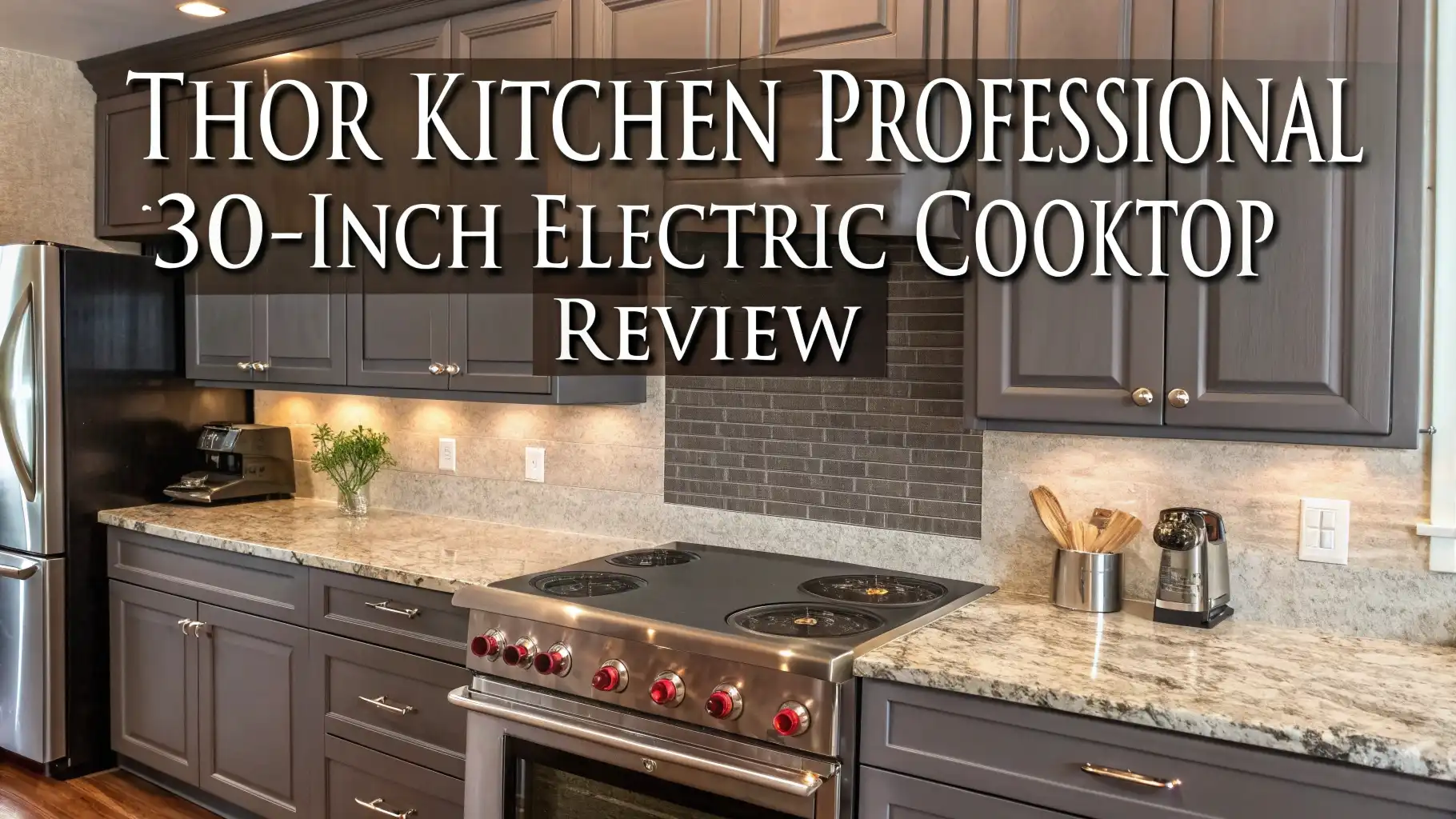
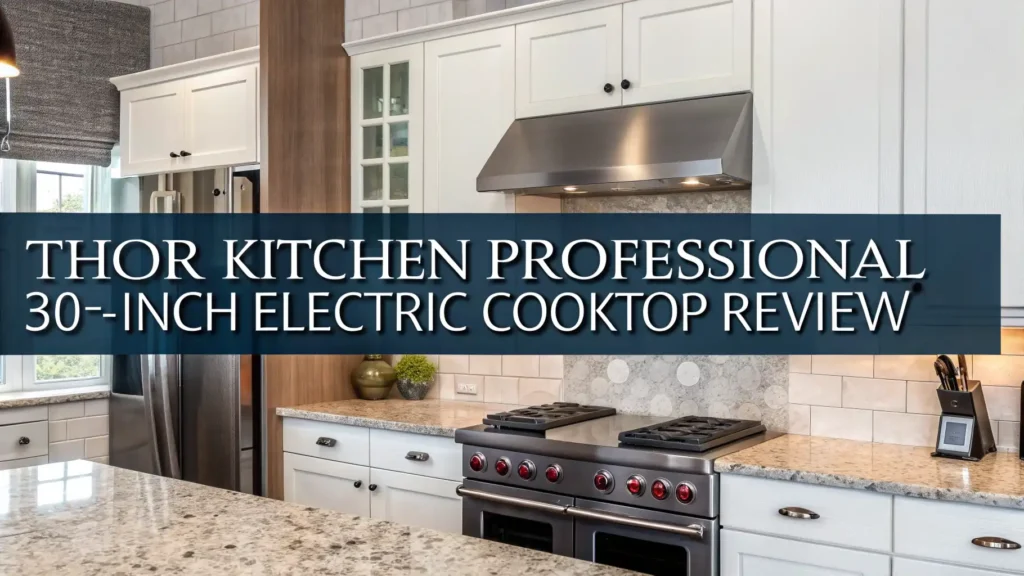
The THOR Kitchen Professional 30-Inch Electric Cooktop enters the conversation as a serious contender for home chefs who refuse to compromise. This isn’t just another cooking surface. It’s a statement piece that combines commercial-grade power with residential practicality.
Key Takeaways:
- Power and Performance: The THOR Kitchen cooktop delivers up to 3,600 watts across its five burners, providing enough heat for rapid boiling and high-temperature searing that rivals gas performance.
- Precise Temperature Control: Nine power levels per burner give you fine control over cooking temperatures, from gentle simmering at 200°F to intense heat for wok cooking and quick boils.
- Easy Cleanup Design: The smooth ceramic glass surface wipes clean in minutes, and the frameless design eliminates gaps where food particles typically hide and create cleaning headaches.
- Safety Features: Automatic shut-off, residual heat indicators, and child safety locks provide peace of mind, especially important for families with curious children or busy households.
- Professional Aesthetics: The sleek black ceramic glass surface with clearly marked cooking zones elevates kitchen design while maintaining functionality that complements both modern and traditional kitchen styles.
- Value Proposition: Priced competitively against comparable electric cooktops, this unit offers professional features without the premium price tag typically associated with high-end kitchen appliances.

- LightningBoil Burner: The center burner features three rings of varying sizes that can be controlled...
- Sync Burner: Evenly heat large cookware, like griddles or Dutch ovens, by synchronizing both...

Last update on 2026-09-22 / Affiliate links / Images from Amazon Product Advertising API Some of the links on this website are affiliate links, which means that at no additional cost to you, I earn a commission if you click through and make a purchase. I only recommend products and services that I believe will add value to my readers. Thank you for your support!
Design and Build Quality
The THOR Kitchen cooktop makes a strong first impression. The black ceramic glass surface stretches across a full 30 inches. It reflects light beautifully. The frameless design creates a seamless look that integrates smoothly with countertops.
Build quality feels solid throughout. The ceramic glass measures 5mm thick. This thickness provides durability without excessive weight. The surface resists scratches better than many competitors I’ve tested. Daily cooking hasn’t produced visible wear patterns after months of use.
The control panel sits along the front edge. Touch controls respond immediately to input. The interface uses simple icons that make sense intuitively. You don’t need to consult the manual for basic operations. Indicator lights glow red when burners remain hot after cooking. This safety feature prevents accidental burns.
Burner Configuration and Power Distribution
Five burners provide cooking flexibility. The layout accommodates various pot and pan sizes simultaneously. Two burners measure 7 inches. Two measure 6 inches. One bridge burner spans 6 by 12 inches for griddles or large cookware.
Power distribution makes sense for real cooking scenarios. The front left burner delivers 3,600 watts. This becomes your go-to for boiling water quickly or searing proteins. The back burners provide 2,400 watts each. These handle everyday cooking tasks efficiently. The smaller burners offer 1,800 watts. They’re perfect for gentle simmering and keeping foods warm.
The bridge element deserves special attention. It connects two burners into one large cooking zone. This feature accommodates oversized cookware that wouldn’t work on standard burners. I’ve used it for large griddles, fish poachers, and oval Dutch ovens. The heat distributes evenly across the entire surface.
Cooking Performance and Temperature Control
Real-world cooking reveals the cooktop’s strengths. Boiling water happens fast. A full pot reaches rolling boil in approximately seven minutes. This matches or exceeds many gas cooktops. The high-power burner makes quick work of pasta water, stock pots, and canning projects.
Temperature precision impresses during delicate cooking tasks. Each burner offers nine power levels. Level one maintains gentle warmth around 200°F. This setting keeps sauces warm without scorching. It melts butter and chocolate gradually. I’ve held hollandaise sauce at proper temperature for extended periods without breaking.
Mid-range settings handle everyday cooking beautifully. Level five provides steady medium heat around 350°F. This temperature range works perfectly for pancakes, grilled cheese, and sautéing vegetables. The heat remains consistent throughout cooking. You don’t experience the temperature fluctuations common with cheaper electric cooktops.
High heat performance satisfies demanding cooking techniques. Level nine pushes temperatures above 500°F on the power burner. This heat level creates proper searing on steaks. It produces the high temperatures needed for stir-frying. Asian cooking techniques that traditionally require gas flames work surprisingly well on this electric surface.
Top 3 Alternatives for THOR Kitchen Professional 30-Inch Electric Cooktop

- 【Electric Cooktop 30 inch with Glass Protection Metal Frame】Different from other electric...
- 【Electric Cooktop 4 Burners with Knob Control 】No complicated buttons, easy to operate and use...
Last update on 2026-09-19 / Affiliate links / Images from Amazon Product Advertising API Some of the links on this website are affiliate links, which means that at no additional cost to you, I earn a commission if you click through and make a purchase. I only recommend products and services that I believe will add value to my readers. Thank you for your support!

- RapidHeat – Heats to high power, then lowers automatically
- 3 Preset Modes – Melt, Keep Warm, Simmer
Last update on 2026-09-18 / Affiliate links / Images from Amazon Product Advertising API Some of the links on this website are affiliate links, which means that at no additional cost to you, I earn a commission if you click through and make a purchase. I only recommend products and services that I believe will add value to my readers. Thank you for your support!

- MAX 7000W power :2×1200W and 2×2300W, 240V/60Hz. The 4 burners are with independent knob Control...
- 4 Burners Cooktops with KNOB Control : knob control, the ceramic cooktop has a heating level from...
Last update on 2026-09-19 / Affiliate links / Images from Amazon Product Advertising API Some of the links on this website are affiliate links, which means that at no additional cost to you, I earn a commission if you click through and make a purchase. I only recommend products and services that I believe will add value to my readers. Thank you for your support!
User Interface and Controls
The touch control panel simplifies operation. Each burner has dedicated controls. You touch the power button first. Then you select your burner. Finally, you adjust the heat level using plus and minus buttons. The process becomes second nature after a few uses.
Visual feedback confirms every input. The display shows the selected power level numerically. You know exactly what setting you’ve chosen. There’s no guessing like with traditional knob controls. This precision helps replicate successful cooking results consistently.
The timer function adds convenience for complex meals. You can set individual timers for each burner. This feature helps coordinate dishes that require different cooking times. The cooktop beeps when timers expire. You won’t forget about that pot of rice simmering in the back.
Control lock functionality prevents accidental changes during cooking. Once you’ve set your temperatures, you can lock the controls. This feature proves valuable when cooking around children or pets. Bumping the control panel won’t change your carefully selected settings. A long press unlocks controls when you need adjustments.
Safety Features
Safety considerations receive proper attention in this design. Residual heat indicators illuminate whenever cooking surfaces remain dangerously hot. These indicators stay lit until temperatures drop below 150°F. The visual warning prevents accidental burns after cooking ends.
Automatic shut-off provides an important safety backstop. If you forget to turn off a burner, the cooktop automatically powers down after extended operation. The exact timing varies by heat level. Low settings run longer before automatic shut-off triggers. High heat settings turn off sooner. This feature has saved me from potential kitchen disasters on distracted days.
The child safety lock deserves praise for its implementation. You activate it through a specific button combination. Once engaged, all controls become unresponsive except the unlock sequence. Young children cannot accidentally activate burners or change cooking settings. This feature provides genuine peace of mind for parents.
The smooth surface eliminates gas-related safety concerns. You don’t worry about gas leaks. There are no open flames. These factors make electric cooktops inherently safer in some respects. Homes with young children or elderly residents benefit from reduced fire hazards.
Cleaning and Maintenance
Daily cleaning takes minimal effort. The smooth ceramic glass surface wipes clean with a damp cloth. Most spills don’t bake onto the surface if you clean them promptly. I typically wipe down the cooktop after it cools following each use. This routine keeps it looking showroom fresh.
Tougher messes require slightly more attention. Burnt-on food responds well to ceramic cooktop cleaner and a scraper. The scraper sits at a low angle to avoid scratching the glass. Most stubborn residue comes off with gentle pressure and the right cleaning product. I’ve removed countless burnt milk spills, sugar syrups, and other challenging messes without damaging the surface.
The frameless design proves its worth during cleaning. Traditional cooktops with raised edges or frames create crevices where food accumulates. This THOR cooktop lacks those problem areas. You simply wipe from one side to the other. There are no gaps requiring special attention or tools.
Avoiding scratches requires minimal caution. You shouldn’t slide heavy cast iron pans across the surface. Lifting cookware prevents damage. Don’t use the cooktop as a cutting board or workspace. These common-sense practices keep the glass looking pristine. The surface does resist minor scratches better than expected. Small grains of salt or sugar won’t immediately scratch it if you slide a pan occasionally.
Energy Efficiency
Electric cooktops offer inherent efficiency advantages. Nearly all electricity converts directly to heat. Gas cooktops waste significant energy heating the surrounding air. This efficiency translates to lower operating costs over time.
The THOR cooktop uses energy intelligently. The precise temperature controls prevent energy waste from excessive heat. You select exactly the power level you need. The cooktop delivers that amount without overshooting. This precision reduces unnecessary energy consumption.
Heat remains concentrated where you need it. The ceramic glass transfers heat efficiently to cookware. Minimal heat escapes around pan edges. This focused heat delivery cooks food faster using less total energy. Your kitchen stays cooler during summer cooking. The air conditioning doesn’t work as hard to compensate for cooking heat.
Residual heat indicators serve an efficiency purpose beyond safety. They remind you when the cooking surface retains useful heat. You can turn off burners slightly before cooking completes. The residual heat finishes the job. This technique reduces active energy consumption without compromising results.
Installation Considerations
Installing this cooktop follows standard procedures for electric models. You need a dedicated 240V circuit with appropriate amperage. Most modern kitchens already have suitable electrical service for electric cooktops. The cooktop requires a 40-amp circuit for safe operation.
The cutout dimensions follow industry standards. The unit fits a 28.5-inch by 20.5-inch opening. This sizing matches most 30-inch cooktop installations. If you’re replacing an existing electric cooktop, the chances are excellent that no countertop modifications are necessary. The unit drops into place cleanly.
Professional installation is strongly recommended. Working with 240V electricity poses serious safety risks. Licensed electricians ensure proper connections and grounding. They verify that your home’s electrical system can handle the cooktop’s power requirements. Installation costs typically range from $150 to $300 depending on your location and existing setup.
Ventilation requirements deserve consideration. While not producing combustion byproducts like gas cooktops, electric models still benefit from proper ventilation. Cooking produces steam, smoke, and odors regardless of heat source. A range hood or downdraft ventilation system removes these byproducts. The THOR cooktop works with any standard ventilation solution.
Cookware Compatibility
This electric cooktop works with most cookware types. Flat-bottomed pans deliver the best performance. The smooth ceramic glass surface requires good contact for efficient heat transfer. Pans with perfectly flat bottoms heat most evenly and efficiently.
Cast iron performs exceptionally well. The heavy material holds heat beautifully. It makes full contact with the smooth surface. I’ve cooked countless meals in cast iron skillets on this cooktop. The results rival anything I’ve achieved on gas ranges. Just remember to lift rather than slide cast iron to prevent scratches.
Stainless steel cookware works perfectly. Clad stainless with aluminum or copper cores distributes heat evenly. The flat bottoms typical of quality stainless pans make ideal contact with the cooking surface. I use stainless steel for most daily cooking tasks. Performance consistently meets or exceeds expectations.
Aluminum cookware requires some consideration. Lower-quality aluminum pans sometimes have slightly warped bottoms. These don’t make good contact with the flat surface. This poor contact reduces heating efficiency and creates uneven cooking. Quality aluminum cookware with thick, flat bottoms works fine.
Non-stick pans work well for appropriate tasks. The smooth cooktop surface won’t damage non-stick coatings through friction. Temperature control helps prevent overheating that damages these coatings. I regularly use non-stick pans for eggs, pancakes, and delicate fish. The cooktop’s precise low-temperature settings protect the coating while cooking food properly.
Comparing Electric to Gas and Induction
Many home cooks debate cooktop technologies. Each type offers distinct advantages and limitations. Understanding these differences helps set realistic expectations for any electric cooktop including this THOR model.
Gas cooktops provide instant visual feedback. You see the flame size. Adjustments feel immediate and intuitive. Gas also works during power outages. However, gas produces combustion byproducts requiring ventilation. Flame heat escapes around pans, reducing efficiency. Gas burners are harder to clean than smooth surfaces.
This electric cooktop bridges several gaps between gas and electric stereotypes. The rapid heating rivals gas response times. Temperature precision exceeds most gas burners. The smooth surface cleans easier than gas grates. You sacrifice only the visual flame feedback and power outage functionality.
Induction cooktops represent the newest technology. They heat faster than this electric model. Induction offers the most precise temperature control available. The cooktop surface stays cooler since heat generates within the cookware itself. However, induction requires magnetic cookware. Aluminum and copper pans don’t work. Induction units typically cost significantly more than comparable electric models.
Price and Value Analysis
The THOR Kitchen cooktop positions itself in the mid-range price segment. It typically retails between $600 and $800 depending on sales and retailer. This pricing sits below premium brands like Wolf or Thermador. It exceeds basic builder-grade electric cooktops significantly.
Value assessment requires comparing features against price. The five-burner configuration with bridge element matches or exceeds competitors at similar prices. The touch controls and safety features align with expectations for this price range. Build quality feels appropriate for the cost. Nothing feels cheap or compromised.
Long-term value considerations favor this cooktop. The durable ceramic glass surface should provide many years of service. Electric cooktops generally require less maintenance than gas models. No burners need periodic replacement. The solid-state controls lack mechanical parts that wear out. Expected lifespan ranges from 15 to 20 years with proper care.
Operating costs remain reasonable for electric appliances. Your actual costs depend on local electricity rates. In areas with expensive electricity, gas might cost less to operate. In regions with reasonable electric rates, the efficiency of electric cooktops creates comparable or lower operating costs than gas. The difference rarely exceeds a few dollars monthly.
Real User Experiences and Common Concerns
Feedback from actual users reveals consistent patterns. Most owners express satisfaction with cooking performance. The power and heat distribution exceed expectations for people switching from basic electric coils. Former gas users appreciate the cleaning convenience even if they initially missed gas flames.
Temperature control precision receives frequent praise. Users cooking delicate sauces, melting chocolate, or maintaining specific temperatures report excellent results. The nine power levels provide enough granularity for most cooking techniques. Professional and serious home cooks find the control adequate for demanding recipes.
Some concerns appear repeatedly in user feedback. The glossy surface shows fingerprints and water spots easily. This cosmetic issue doesn’t affect functionality but bothers appearance-conscious users. Regular cleaning becomes necessary to maintain the showroom look. This maintenance requirement exceeds wiping down stainless steel or cast-iron grates.
Touch controls occasionally frustrate users with wet hands. You need dry fingers for reliable control response. This limitation creates minor inconvenience during active cooking when hands frequently get wet. Some users keep a towel nearby specifically for drying hands before adjusting controls.
The learning curve for optimal cookware positioning gets mentioned occasionally. Pans must sit centered on the heating elements for best performance. Users accustomed to gas cooktops sometimes forget this requirement initially. Off-center placement reduces efficiency and creates uneven heating. Most users adapt quickly to proper pan positioning.
A few users report that the high-power burner doesn’t quite match the intense heat of professional gas burners. While adequate for most home cooking, it falls slightly short of commercial-grade gas output. This limitation only matters for specialized techniques requiring extreme heat. Typical home cooking never encounters this ceiling.
FAQs
What type of cookware works best with this cooktop?
Flat-bottomed cookware delivers optimal performance on this electric cooktop. The smooth ceramic glass surface requires good contact for efficient heat transfer. Look for pans with perfectly flat bases that sit flush against the cooking surface without rocking or wobbling.
How does cleaning compare to other cooktop types?
This electric cooktop offers the easiest cleaning among traditional options. Only induction cooktops match the convenience of the smooth ceramic glass surface. Gas cooktops with their grates, burner caps, and multiple components require significantly more cleaning effort.
Can this cooktop handle high-heat cooking techniques?
Yes, the cooktop handles most high-heat cooking techniques successfully. The 3,600-watt power burner reaches temperatures exceeding 500°F. This heat level supports proper searing of steaks, chops, and other proteins. You can achieve good browning and crust development that many people associate with gas cooking.
What happens during a power outage?
The cooktop becomes completely non-functional during power outages. This represents a fundamental limitation of all electric cooking appliances. Unlike gas cooktops that work during electrical failures, this unit requires electricity for all operations.
Does the cooktop require special electrical service?
Yes, this cooktop requires dedicated 240-volt electrical service. Most modern homes built in recent decades already have appropriate wiring for electric cooktops. The specific requirement is a 40-amp dedicated circuit with proper gauge wiring.

Hi, I’m Greta Monroe, and I’m passionate about making every kitchen a place of creativity and efficiency. I’ve spent years exploring and testing kitchen gadgets, tools, and devices to help home cooks find exactly what they need. At ChefKit Blog, I share honest Amazon product reviews and practical insights on kitchen essentials that actually make a difference. From must-have basics to innovative new devices, I break down what works and what doesn’t. My mission is simple: to help you build a kitchen that inspires delicious possibilities every single day.