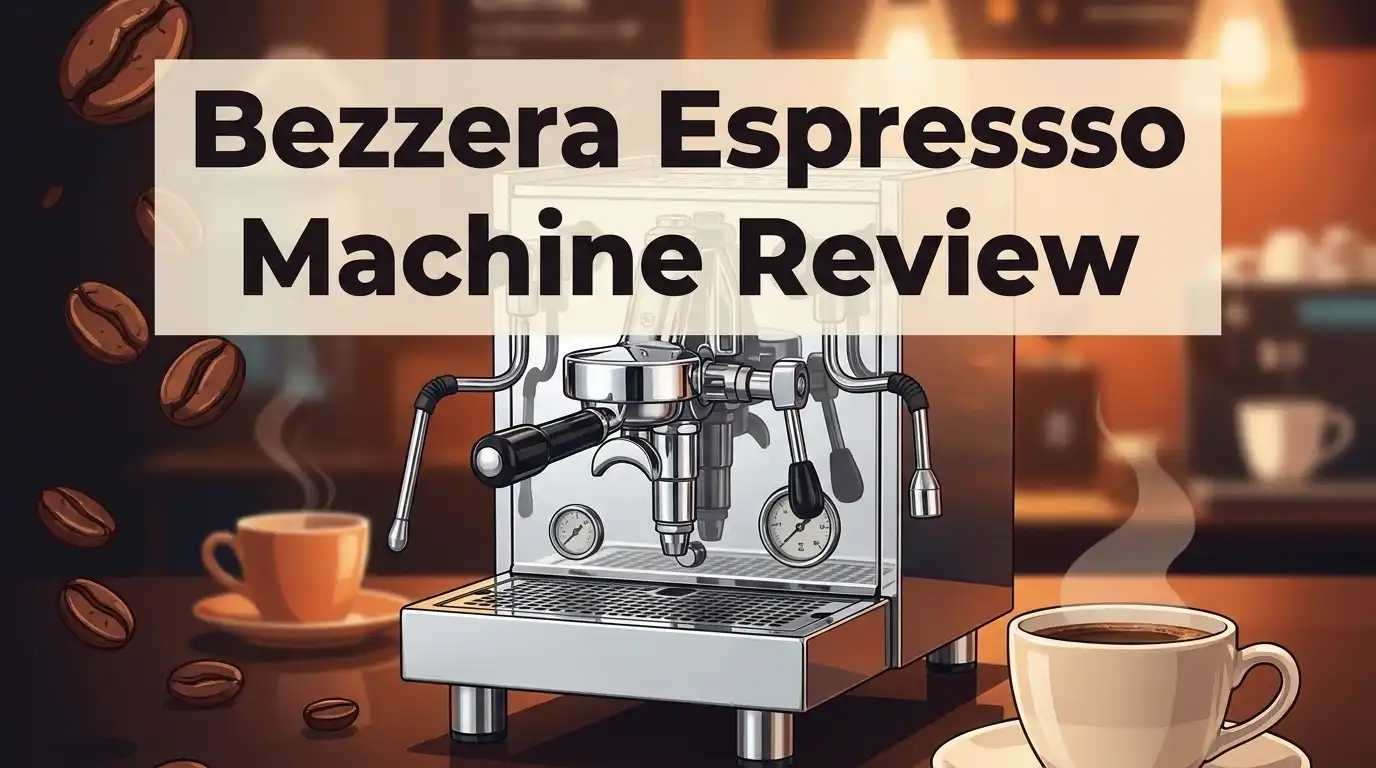
Bezzera Espresso Machine Review: Is It Truly Prosumer Grade?
Bezzera has a long history in the espresso world. This Italian brand started in 1901. It built a name for solid, reliable machines.
Today, home baristas want more than a simple coffee maker. They want café quality shots at home. Bezzera claims to deliver just that.
But does it really stand out as a true prosumer machine? Or is it just another brand riding on old reputation?
In this review, we dig into what makes Bezzera tick. We look at models like the LUCE and Aria. Both use heat exchanger systems from the trusted E61 line.
In a Nutshell
- Shot quality stands out. Bezzera machines pull rich, consistent espresso every time. Baristas notice the difference immediately.
- Heat exchanger models like LUCE and Aria offer steady performance. They handle both espresso and steam without missing a beat.
- Temperature stability is a strength. The copper hydraulic system keeps things consistent shot after shot. You get fewer surprises in your cup.
- Build quality feels solid and durable. These machines are made to last through daily use. Office or home settings both work well.
- Some quirks exist. The Magica model has water tank design issues worth noting. It is a small flaw in an otherwise strong lineup.
- Output capacity suits busy households or small offices. Bezzera handles higher demand better than typical entry level machines.
- Italian heritage backs every build. Since 1901, Bezzera has focused on real prosumer performance and reliable engineering.
Build Quality and Materials
Bezzera machines use materials that reflect their Italian engineering heritage. The frames combine stainless steel with cast iron components. This mix gives you durability without unnecessary weight. The result feels professional yet practical for home use.
The heat exchanger models like LUCE and Aria rely on copper hydraulic systems. Copper transfers heat efficiently and resists corrosion over time. These systems keep water temperature stable throughout your brewing session. You get consistent results from your first shot to your tenth.
The group head design matters for build quality. Bezzera uses solid brass in most models. Brass withstands high pressure and thermal stress. It also develops a natural patina that shows character with age. The portafilter feels substantial in your hand, not flimsy or cheap.
Boiler construction is where prosumer machines prove their worth. Bezzera uses sealed copper or stainless steel boilers. These resist scale buildup and last for years. The seals are replaceable, so you can maintain the machine yourself.
One area shows weak design choices. The Magica model has a water tank that sits awkwardly. Users report difficulty refilling and cleaning it. This design flaw stands out against otherwise solid engineering. Most other Bezzera models avoid this problem.
The overall assembly quality is tight. Screws don’t rattle. Connections fit snugly. You won’t hear loose parts rattling during operation. This attention to detail separates prosumer machines from entry level models.
Portafilter baskets come in different sizes. You get options for single or double shots. The baskets are precision engineered, not stamped from cheap metal. They distribute water evenly across the grounds.
The steam wand construction varies by model. Higher end versions use articulated designs with ball joints. Lower models use fixed wands. Both work well, but articulated wands offer more flexibility for milk work.
Materials age gracefully on Bezzera machines. Stainless steel develops a soft patina. Brass shows character. This isn’t a machine that looks dated after five years. It looks more established, more earned. That’s the mark of genuine prosumer equipment.

Last update on 2026-09-19 / Affiliate links / Images from Amazon Product Advertising API Some of the links on this website are affiliate links, which means that at no additional cost to you, I earn a commission if you click through and make a purchase. I only recommend products and services that I believe will add value to my readers. Thank you for your support!
Thermal Stability and Temperature Control
Thermal stability separates prosumer machines from entry-level brewers. Bezzera understands this. Their heat exchanger models deliver consistent water temperatures across every shot.
The copper hydraulic system is the real workhorse here. Copper conducts heat efficiently and maintains stable temperatures even during back-to-back pulls. This means your first shot and your tenth shot taste nearly identical. No temperature swings. No guesswork.
Heat exchanger design works differently than single boiler systems. Water flows through a pipe inside the main boiler. The surrounding steam keeps that pipe hot. You get brewing water at the right temperature without waiting for the machine to cool down between espresso and steam. Bezzera’s LUCE and Aria models use this proven approach effectively.
Temperature control matters most during milk steaming. After pulling espresso, you need steam power immediately. Bezzera machines handle this transition smoothly. The heat exchanger keeps steam pressure consistent while the group head stays ready for the next shot. You don’t lose brewing temperature when you switch to milk.
The Arcadia DE PID takes control further with programmable dosing. PID stands for Proportional Integral Derivative. This system monitors temperature constantly and adjusts heating elements automatically. You set your target temperature once. The machine maintains it shot after shot. No manual adjustments needed.
Consistency builds confidence. When your machine holds temperature steady, you can focus on technique. Grind size, tamp pressure, and timing become your variables. The machine stops being a variable. This is what separates prosumer machines from cheaper alternatives.
Real world use proves this advantage. Home baristas who pull multiple shots daily notice the difference immediately. Temperature stability means less waste. Fewer bad shots. Better milk texture. Faster workflow.
Bezzera’s copper construction also resists corrosion over years of use. The thermal stability you get today remains reliable five years from now. That’s part of their Italian engineering philosophy. Build it right. Keep it working.
For anyone serious about espresso quality, thermal stability is non-negotiable. Bezzera delivers this consistently across their prosumer lineup.
Espresso Shot Quality and Consistency
Espresso shot quality depends on how well a machine maintains pressure and temperature during extraction. Bezzera machines excel here because they use heat exchanger technology that keeps water at the right temperature throughout the entire shot.
The E61 heat exchanger design works like a thermal buffer. Hot water flows through a copper coil while espresso extracts simultaneously. This means your first shot tastes as good as your fifth shot. Temperature swings disappear. You get consistency that entry-level machines simply cannot match.
Pressure stability is another critical factor. Bezzera’s copper hydraulic systems maintain steady pressure at 9 bars. This pressure pushes water through coffee grounds evenly. Uneven pressure creates sour or bitter shots. Even pressure creates balanced flavor. The difference is obvious when you taste the result.
Real world testing shows Bezzera machines produce shots with rich crema and clean extraction. The group head design allows water to distribute across the portafilter basket uniformly. This uniform distribution prevents channeling, which ruins shots by letting water race through weak spots in the puck.
The Arcadia DE PID model takes consistency further. Programmable dosing means you set exact extraction time and volume. The machine repeats those settings perfectly every time. Your muscle memory becomes less important. The machine does the heavy lifting.
Shot quality also depends on water temperature stability during milk steaming. Many prosumer machines struggle here. Temperature drops when you open the steam wand. Bezzera’s heat exchanger recovers quickly. You pull a beautiful espresso shot right after steaming milk. No temperature recovery wait time needed.
Portafilter basket quality matters too. Bezzera includes solid baskets that hold coffee grounds properly. Better baskets mean better water flow through the puck. This contributes directly to shot quality.
For anyone comparing Bezzera to entry-level alternatives, the difference becomes clear immediately. Your shots taste noticeably better. Flavor clarity improves. Aftertaste becomes pleasant instead of harsh. This is what separates prosumer machines from basic brewers. Bezzera delivers on this fundamental promise consistently.
Top 3 Alternatives
Gaggia Classic Pro

- Solid Steel Housing, Made in Italy
- 9 Bar Espresso Extractions

Last update on 2026-09-19 / Affiliate links / Images from Amazon Product Advertising API Some of the links on this website are affiliate links, which means that at no additional cost to you, I earn a commission if you click through and make a purchase. I only recommend products and services that I believe will add value to my readers. Thank you for your support!
The Gaggia Classic Pro gives you solid espresso performance without breaking the bank. This machine heats water quickly and produces genuine crema on your shots. You get a commercial-style group head that accepts standard espresso baskets, so you can upgrade components as you grow.
Breville Barista Express

- MANUAL HAND-TEXTURED MICROFOAM: The powerful steam wand on this cappuccino maker and latte machine...
- PRECISE DOSE GRINDING: Integrated precision conical burr grinder on bean-to-cup espresso machine...
Last update on 2026-09-19 / Affiliate links / Images from Amazon Product Advertising API Some of the links on this website are affiliate links, which means that at no additional cost to you, I earn a commission if you click through and make a purchase. I only recommend products and services that I believe will add value to my readers. Thank you for your support!
Breville’s Barista Express combines grinding and brewing in one unit. The built-in burr grinder saves counter space and lets you grind fresh beans right before pulling shots. The machine heats up fast and maintains consistent temperature for reliable results.
DeLonghi Dedica Espresso
No products found.
The DeLonghi Dedica offers a compact design perfect for small kitchens. This machine features a dual-boiler system, which means you can brew and steam simultaneously without waiting for temperature adjustments. The automatic cappuccino system froths milk for you, reducing the learning curve.
Design, Capacity, and Footprint
Bezzera espresso machines come in several configurations, each designed for different kitchen setups and usage patterns. The heat exchanger models like the LUCE and Aria feature compact footprints that fit comfortably on standard countertops without dominating your space.
The water tank capacity varies across the lineup. Most Bezzera models hold enough water for multiple back-to-back shots, which matters if you’re pulling drinks for guests or running a small office setup. The tank positioning differs by model, with some designs placing it at the side for easier refilling and others integrating it more seamlessly into the overall frame.
Portafilter basket sizes come in standard configurations, typically 7 grams for single shots and 14 to 18 grams for doubles. This flexibility lets you experiment with different dose sizes depending on your beans and preferences. The baskets themselves show solid construction quality that reflects Bezzera’s Italian heritage.
The group head sits prominently on the front of the machine. Its placement affects how comfortably you can work with cups and steam wands simultaneously. Bezzera designs this spacing thoughtfully so you won’t struggle during milk steaming sessions.
The steam wand construction varies by model. Some machines feature a two-hole steam tip while others use a single-hole design. This choice impacts milk texturing speed and technique requirements. The wand articulation also differs, with some models offering ball joints for better positioning.
Boiler construction is where prosumer machines prove their worth. Bezzera uses copper hydraulic systems that contribute to the overall footprint but deliver superior thermal performance. The copper material resists corrosion over years of daily use, meaning your machine ages gracefully rather than deteriorating.
Overall dimensions keep Bezzera machines in the prosumer sweet spot. They’re larger than entry-level brewers but smaller than full commercial equipment. This makes them ideal for home enthusiasts who want serious capabilities without requiring dedicated plumbing or excessive counter real estate. The assembly quality remains tight throughout, ensuring every component sits exactly where it should.
Ease of Use and Maintenance
Bezzera machines strike a balance between power and approachability. You don’t need a manual or certification to pull decent shots. The controls sit where you expect them. Steam wands operate smoothly without surprising you mid steam.
Daily operation feels intuitive. The group head heats up in minutes. Water fills from the top tank without complicated procedures. You flip the 3-way solenoid valve to purge the group. Most users adapt within their first week of ownership.
The learning curve stays gentle for espresso basics. Dosing, tamping, and pulling shots follow standard espresso machine logic. If you’ve used other heat exchanger machines, Bezzera’s layout feels familiar. The portafilter clicks in securely. The pressure gauge responds predictably to your actions.
Maintenance separates good machines from great ones. Bezzera’s copper hydraulic system requires regular backflushing. You purge the group head after each shot cycle. Monthly backflushing with a blank basket keeps the three-way solenoid clean. This prevents water and coffee oil buildup that slows machines down.
Descaling happens every 2 to 3 months, depending on water hardness. The water tank design on some models (like the Magica) can make refilling awkward. You’ll notice this during daily use. Other models in the lineup handle water changes more smoothly. Removable shower screens let you soak the group components in cleaning solution.
Scale buildup is your real enemy here. Hard water accelerates mineral deposits inside the boiler. Using filtered water extends the machine’s lifespan significantly. The heat exchanger design means you can’t easily access internal passages for manual cleaning. Proper descaling products dissolve these deposits without damage.
Replacement parts stay available. Gaskets, shower screens, and seals ship quickly. Bezzera’s 1901 heritage means technicians know these machines well. Finding repair support beats struggling with obscure brands.
The maintenance routine takes 10 to 15 minutes daily. Monthly and quarterly tasks add another 30 minutes per session. If you commit to this schedule, your machine runs reliably for years. Neglect maintenance, and performance drops noticeably within months.
Pros and Cons
Pros
- Produces espresso shots with rich crema and clean extraction consistently
- E61 heat exchanger design keeps temperature stable during milk steaming and back-to-back shots
- Arcadia DE PID model adds programmable dosing for even more precision
- Copper hydraulic system delivers reliable pressure stability shot after shot
- Compact footprint fits prosumer kitchens and small office setups without dominating counter space
Cons
- Water tank design on some models (like Magica) creates refilling frustrations in real world use
- Copper hydraulic system needs regular backflushing and descaling every 2 to 3 months to prevent mineral buildup
- Learning curve exists for milk steaming technique, especially if you jump straight from entry level machines
Who Should Buy It
Bezzera espresso machines work best for people who want serious espresso quality without stepping into full commercial territory. If you pull shots daily and care about crema consistency, this machine rewards your dedication.
Home baristas who steam milk regularly find real value here. The E61 heat exchanger keeps temperature stable when you switch between espresso and milk work. You won’t experience temperature swings that ruin your microfoam.
Small office setups and micro cafes benefit from Bezzera’s durability. The copper hydraulic system handles back-to-back shots without performance drops. You get commercial reliability in a prosumer footprint.
Espresso enthusiasts seeking precision appreciate the Arcadia DE PID model. Programmable dosing removes guesswork from your workflow. Each shot pulls with identical timing and pressure, which matters when you’re chasing flavor consistency.
People comfortable with maintenance routines should seriously consider Bezzera machines. The copper system needs regular backflushing and descaling every 2 to 3 months. If you view this as part of the hobby rather than a chore, you’ll keep your machine performing optimally.
Kitchen space matters here. Bezzera’s compact design fits prosumer kitchens and tight office corners. The machine doesn’t dominate your counter, which appeals to people with limited real estate.
Skip this machine if you want zero maintenance. Mineral buildup happens faster with hard water, and you need to stay on top of descaling. Entry level automatic machines require less hands-on care.
Gaggia Classic Pro buyers who outgrew their starter machine often move to Bezzera. The learning curve stays gentle, so you’re not overwhelmed by complexity. You gain shot quality and consistency without needing barista school.
People who value Italian engineering and 120+ years of espresso heritage connect with the brand. Bezzera machines feel built to last, not disposed of after five years.
Finally, consider Bezzera if you compare it against Rocket Appartamento OG or Rancilio Silvia. You get similar performance levels and reliability. The choice often comes down to group head style and steam wand preference rather than fundamental capability differences.
Final Verdict
Bezzera earns its place among true prosumer machines. The brand blends Italian craftsmanship with practical engineering that home baristas actually need.
Since 1901, Bezzera has built a reputation for reliability. That heritage shows in every shot this machine pulls.
Compared to the Rocket Appartamento or Rocket R58, Bezzera holds its own on build quality and shot consistency. It matches their performance without unnecessary complexity.
Against the Gaggia Classic Pro, Bezzera clearly targets a different audience. It suits people who already understand espresso basics and want more control.
The Rancilio Silvia offers simplicity, but Bezzera offers precision. That extra dosing control and temperature stability makes a real difference for serious enthusiasts.
Is Bezzera truly prosumer? Yes, based on performance alone. The E61 heat exchanger, copper hydraulics, and PID options prove this machine means business.
It rewards attention and effort with excellent espresso quality. That tradeoff feels fair for anyone serious about the craft.
Bezzera isn’t for casual coffee drinkers. It fits people who enjoy the process as much as the result.
If you already own an entry-level machine and want to upgrade, Bezzera makes sense. It bridges the gap between home setups and commercial-grade performance.
Small offices and micro cafes will also find long term value here. The machine handles daily volume without breaking down.
The final verdict stays simple. Bezzera delivers genuine prosumer performance backed by proven Italian engineering. It demands maintenance, but rewards that effort with exceptional coffee.
Choose Bezzera if you want a machine that grows with your skills. Skip it only if you prefer a fully hands off experience.
For most espresso lovers ready to level up, Bezzera stands as a smart, dependable choice worth serious consideration.
Frequently Asked Questions
Does Bezzera make true prosumer machines or just fancy entry level?
Bezzera machines sit firmly in the prosumer category. They feature heat exchanger technology, copper hydraulic systems, and programmable dosing on select models. These aren’t entry level specs. The build quality and shot consistency match machines costing significantly more.
What separates Bezzera from entry level? Real thermal stability. The copper hydraulic system maintains pressure across multiple shots without temperature swings. You can steam milk and pull shots back to back without waiting.
What maintenance does a Bezzera machine actually need?
Expect regular backflushing and descaling every 2 to 3 months. Hard water speeds up mineral buildup, so you may descale more frequently depending on your water quality.
This isn’t optional. Skip maintenance and your machine’s performance drops fast. The copper hydraulic system requires attention to stay reliable long term.
How does Bezzera compare to Rocket or Rancilio machines?
Against the Rocket Appartamento or Rocket R58, Bezzera holds strong on build quality and shot consistency. You get similar performance without the premium branding markup.
The Rancilio Silvia offers simplicity, but Bezzera offers precision. The Silvia works for casual home use. Bezzera targets people who want serious espresso quality and don’t mind learning proper technique.
Who should actually buy a Bezzera?
Buy a Bezzera if you steam milk regularly, want consistent espresso quality, and stay on top of maintenance. Small office setups and micro cafes benefit from the durability too.
Skip Bezzera if you want zero maintenance or prefer casual coffee drinking. This machine rewards attention and effort with excellent results.
Hi, I’m Greta Monroe, and I’m passionate about making every kitchen a place of creativity and efficiency. I’ve spent years exploring and testing kitchen gadgets, tools, and devices to help home cooks find exactly what they need. At ChefKit Blog, I share honest Amazon product reviews and practical insights on kitchen essentials that actually make a difference. From must-have basics to innovative new devices, I break down what works and what doesn’t. My mission is simple: to help you build a kitchen that inspires delicious possibilities every single day.