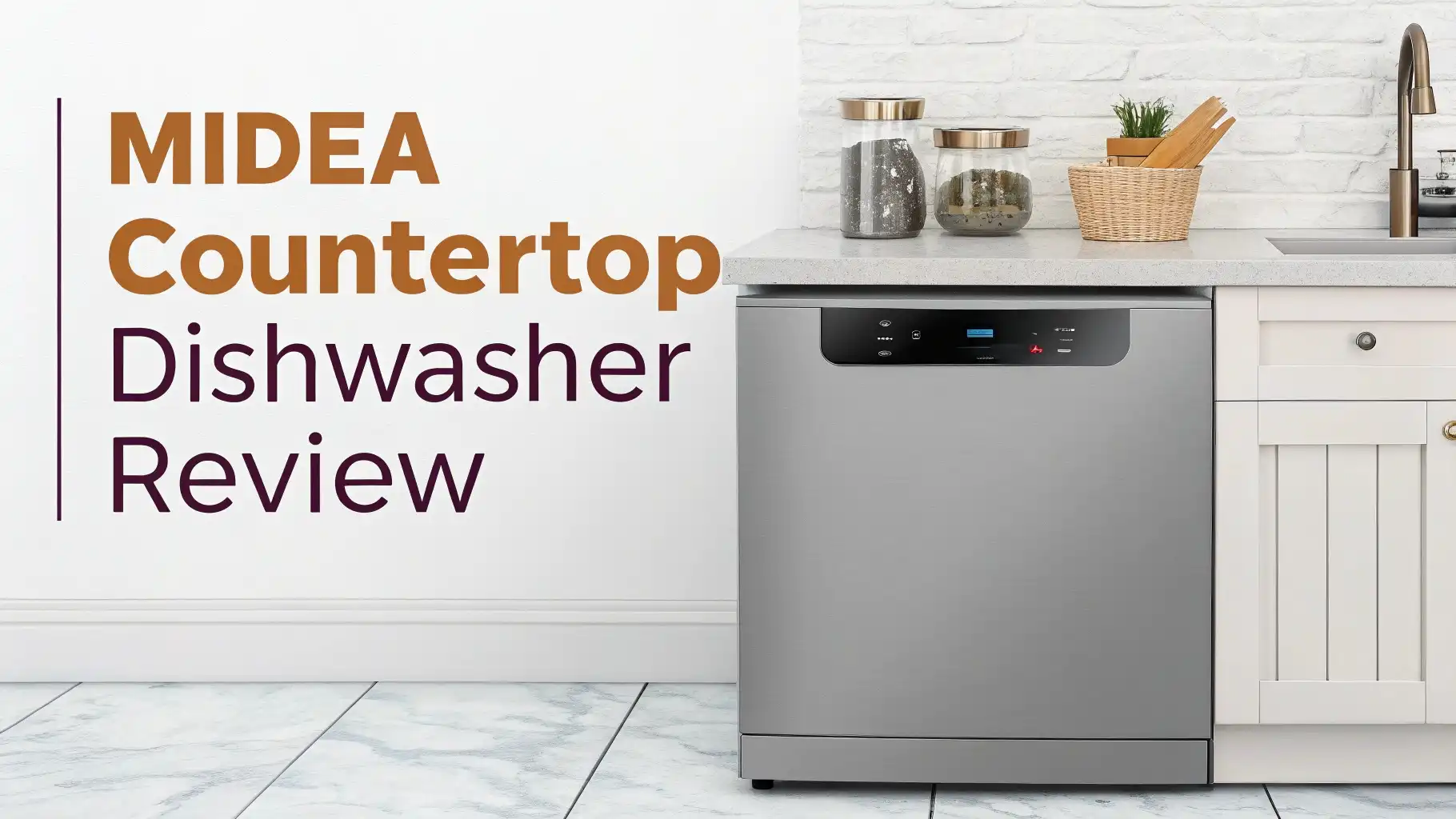
Midea Countertop Dishwasher Review: Worth Your Money?
Are you tired of spending endless hours scrubbing dishes by hand in your tiny apartment or RV? You’re not alone.
Thousands of people are discovering the magic of countertop dishwashers, and Midea has become one of the most talked-about brands in this space. But does this compact cleaning machine really deliver on its promises?
Let’s dive deep into everything you need to know about Midea countertop dishwashers before you hit that buy button. Get ready to discover whether this little powerhouse can transform your kitchen routine forever.
In a Nutshell:
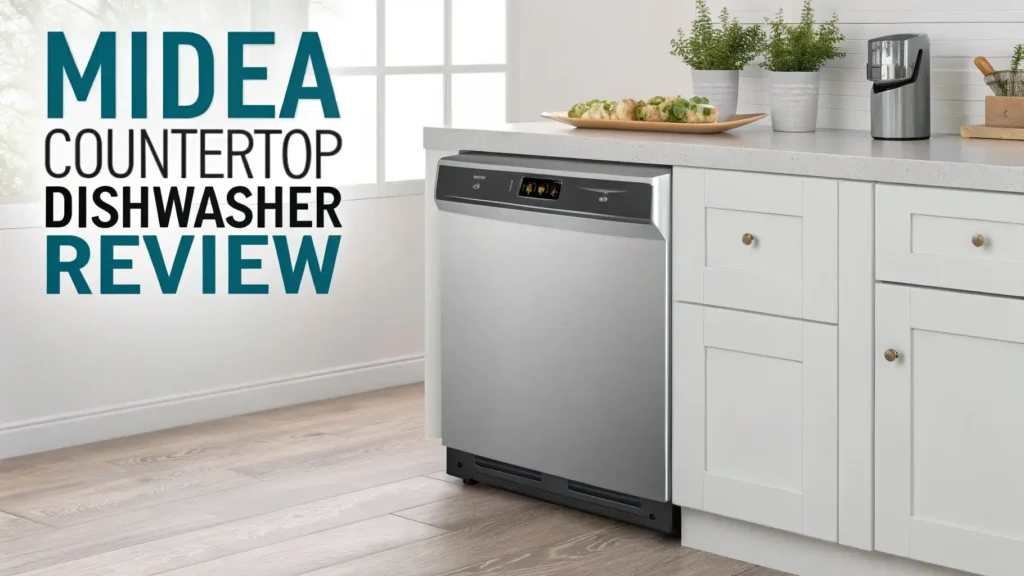
- Space-Saving Design: Midea countertop dishwashers measure just 17 to 22 inches wide, making them perfect for apartments, dorms, RVs, and small kitchens where traditional dishwashers simply won’t fit.
- Built-In Water Tank Technology: Most Midea models feature a 5L to 6L built-in water tank, which means you can use them without any hookup to your faucet. This feature sets Midea apart from many competitors and provides incredible flexibility.
- Multiple Washing Programs: You get 6 to 8 different washing cycles including Baby Care, ECO, Glass, Quick, Normal, and even Fruit Wash modes. This variety ensures you can handle everything from delicate glassware to heavily soiled pots.
- Energy Star Certified: Midea dishwashers use only 3.1 gallons of water per cycle, which is significantly less than hand washing (which can use up to 27 gallons). Your utility bills will thank you.
- High-Temperature Cleaning: The 162°F high-temp wash and dual spray system ensure your dishes come out sparkling clean and sanitized, killing 99.9% of bacteria.
- Affordable Price Range: Midea models range from $249.99 to $299.99 on Amazon, offering excellent value compared to traditional dishwashers that can cost $500 or more.

- A perfect size (H17.25″×W22″×D20″)- Holds up to 6 Place Settings perfect for 2-3 people. The...
- Simple Installation- Can be connected directly to a faucet (a suitable adaptor is needed) and placed...

Last update on 2026-07-21 / Affiliate links / Images from Amazon Product Advertising API Some of the links on this website are affiliate links, which means that at no additional cost to you, I earn a commission if you click through and make a purchase. I only recommend products and services that I believe will add value to my readers. Thank you for your support!
What Makes Midea Countertop Dishwashers Special?
Midea has carved out a unique position in the countertop dishwasher market by focusing on what really matters to small-space dwellers. The brand understands that not everyone has room for a full-size dishwasher or the ability to install one.
Their countertop models deliver professional-grade cleaning in a package small enough to fit on your kitchen counter.
What sets Midea apart is their attention to practical features. The 360-degree dual spray system ensures water reaches every corner of your dishes. The built-in water tank means you can set it up anywhere with access to a power outlet.
Many users report that their Midea dishwasher has become an essential kitchen companion, especially those living in studio apartments or traveling in RVs.
The ultra-compact design allows these machines to wash 30 plus items at once while taking up minimal counter space. You can fit plates up to 9.5 inches in diameter, which covers most standard dinner plates. The machines are also surprisingly quiet, operating at noise levels that won’t disturb your TV watching or conversations.
Understanding the Different Midea Models

- Please make sure the distance between your countertop and wall cupboard is more than 19.6" . No...
- Ultra-compact Design : The ultra-compact design allows the dishwasher to wash 30+ items(Max to...
Last update on 2026-07-21 / Affiliate links / Images from Amazon Product Advertising API Some of the links on this website are affiliate links, which means that at no additional cost to you, I earn a commission if you click through and make a purchase. I only recommend products and services that I believe will add value to my readers. Thank you for your support!
Midea offers several countertop dishwasher models, each designed for specific needs. The MDC17P0ABB is their mini model featuring a 5L built-in water tank and 6 washing programs.
This model is perfect for singles or couples who want the most compact option available. It includes the innovative Air-Refresh function that keeps your dishes fresh between washes.
The MDC22P2ASS is their larger option with 6 place settings and 8 washing cycles. This model adds extra capacity without taking up too much more space. It measures 22 inches wide and can handle dishes for a small family. The Energy Star certification means it meets strict efficiency standards set by the EPA.
Both models share core features like the high-temperature wash cycle at 162°F, multiple spray arms, and easy-to-use digital controls. The main differences lie in capacity and the number of washing programs. Choose the 17-inch model if space is tight, or go for the 22-inch version if you need to wash more dishes at once.
Installation and Setup Made Easy
Setting up a Midea countertop dishwasher is refreshingly simple. You don’t need a plumber or any special tools. The process takes about 15 minutes from unboxing to first wash. First, find a stable spot on your counter near a power outlet. The machine needs about 2 inches of clearance on all sides for proper ventilation.
Next, decide how you want to supply water. You have two options. Fill the built-in water tank manually using a pitcher or measuring cup.
This method gives you complete freedom to place the dishwasher anywhere. Alternatively, connect the included adapter to your kitchen faucet. The quick-connect system fits most standard faucets without any permanent modifications.
Load the detergent dispenser with dishwasher pods or powder. Regular dish soap will create too many suds and damage the machine. Select your wash cycle based on how dirty your dishes are. Press start and let the machine do its magic.
The LED display shows you exactly what’s happening during each cycle. Most users find the setup so straightforward that they’re running their first load within minutes of opening the box.
Top 3 Alternatives for Midea Countertop Dishwasher

- 6 Place Setting- A perfect size (H17.2″×W21.7″×D19.7″) for 2-3 people, COMFEE’ compact...
- Simple Installation- This COMFEE’ portable dishwasher can be connected to faucet directly...
Last update on 2026-07-21 / Affiliate links / Images from Amazon Product Advertising API Some of the links on this website are affiliate links, which means that at no additional cost to you, I earn a commission if you click through and make a purchase. I only recommend products and services that I believe will add value to my readers. Thank you for your support!

Last update on 2026-07-21 / Affiliate links / Images from Amazon Product Advertising API Some of the links on this website are affiliate links, which means that at no additional cost to you, I earn a commission if you click through and make a purchase. I only recommend products and services that I believe will add value to my readers. Thank you for your support!

- Please make sure the distance between your countertop and wall cupboard is more than 19.6" No...
- Ultra-compact Design: The ultra-compact design allows the dishwasher to wash 30+ items(Max to...
Last update on 2026-07-21 / Affiliate links / Images from Amazon Product Advertising API Some of the links on this website are affiliate links, which means that at no additional cost to you, I earn a commission if you click through and make a purchase. I only recommend products and services that I believe will add value to my readers. Thank you for your support!
Washing Programs That Cover All Your Needs

- 6 Place Setting: A perfect size for 2-3 people, Midea compact dishwasher is suitable for dorms, RVs...
- Simple Installation: Midea portable dishwasher can be connected to faucet directly (Suitable adaptor...
Last update on 2026-07-21 / Affiliate links / Images from Amazon Product Advertising API Some of the links on this website are affiliate links, which means that at no additional cost to you, I earn a commission if you click through and make a purchase. I only recommend products and services that I believe will add value to my readers. Thank you for your support!
The variety of washing programs in Midea dishwashers might surprise you. The Baby Care cycle uses extra hot water and extended wash times to sterilize baby bottles and feeding accessories. This program reaches temperatures that kill harmful bacteria, giving parents peace of mind.
The ECO mode saves water and energy when your dishes aren’t heavily soiled. It uses lower temperatures and shorter cycles while still delivering clean results.
This cycle is perfect for everyday dishes that just need a basic refresh. The Quick Wash program completes in under an hour, ideal when you need clean dishes fast for unexpected guests.
Glass mode handles delicate items with gentler water pressure and cooler temperatures. Your wine glasses and fine china stay safe from chips or cracks.
The Normal cycle works for everyday mixed loads, while Intensive mode tackles stubborn, baked-on food. Some Midea models even include a Fruit Wash program that safely cleans produce without harsh chemicals.
Cleaning Performance and Results
Users consistently praise Midea countertop dishwashers for their cleaning power. The dual spray arm system creates powerful water jets that reach every surface. Upper and lower spray arms rotate independently, ensuring thorough coverage. The 162°F water temperature dissolves grease and sanitizes dishes effectively.
Real-world testing shows these machines handle everything from coffee-stained mugs to crusty lasagna pans. The key is proper loading. Space items so water can circulate freely. Angle bowls and cups downward so water drains properly. Place heavily soiled items facing the spray arms for maximum cleaning power.
The high-temperature rinse cycle leaves dishes dry and ready to put away. Some moisture may remain in crevices, but this is normal for compact dishwashers. Running the extra drying cycle adds time but produces better results.
Users report that dishes come out cleaner than hand washing, with no water spots or residue. The Air-Refresh function prevents odors from developing between loads, keeping your machine smelling fresh.
Water Efficiency and Energy Savings
Midea countertop dishwashers excel at conservation. Each cycle uses just 1.32 gallons of water compared to the 27 gallons you might use washing by hand. This dramatic difference adds up to serious savings on your water bill. The built-in tank holds enough water for a complete cycle without refilling.
Energy Star certification means these dishwashers meet government standards for efficiency. They consume approximately 130 kilowatt hours per year in typical use. This low energy draw won’t spike your electric bill. The ECO mode reduces consumption even further by using cooler water and shorter cycles.
The efficiency doesn’t sacrifice cleaning power. The machines maximize every drop through intelligent spray patterns and recycling systems. Heated drying uses residual heat from the wash cycle rather than running separate heating elements.
Over a year, you’ll save enough money on utilities to offset a significant portion of the dishwasher’s purchase price. Plus, you’re helping the environment by reducing water waste.
Capacity and What You Can Fit Inside
The Midea 17-inch models handle over 30 items per load. This includes dinner plates up to 9.5 inches, bowls, cups, silverware, and small cookware. The interior rack design maximizes vertical space while keeping items secure during washing. You can fit a full day’s worth of dishes for one or two people.
The 22-inch models offer 6 place settings, which translates to dishes for 3 to 4 people. Place settings include a dinner plate, salad plate, bowl, cup, saucer, and silverware. You can also fit serving bowls, small pots, and cooking utensils. The adjustable upper rack accommodates taller items when needed.
Strategic loading makes a huge difference. Place larger items like plates and cutting boards along the sides and back. Position glasses and cups on the upper rack between the tines.
Lay silverware flat in the designated basket with handles pointing down. Avoid overcrowding, as this blocks water spray and reduces cleaning effectiveness. Nesting similar items together saves space and improves water circulation.
Noise Levels and Operation
Midea countertop dishwashers operate surprisingly quietly for their compact size. Most models produce 45 to 52 decibels during operation, similar to a quiet conversation or light rainfall. You can run a wash cycle while watching TV or working from home without major disruption.
The noise varies by cycle phase. The initial fill and drain phases create slightly more sound as water moves through the pump. The wash cycles themselves are quieter, with a gentle swishing sound from the spray arms. The drying phase is nearly silent since it relies on residual heat rather than noisy fans.
Users living in studio apartments or open-concept spaces appreciate the low noise profile. You can run loads at night without disturbing sleeping family members. The machines include vibration dampening feet that reduce any rattling or shaking.
Place a rubber mat underneath if you want even more sound absorption. The quiet operation means you can wash dishes whenever convenient rather than waiting for times when noise won’t matter.
Maintenance and Long-Term Care
Keeping your Midea dishwasher running smoothly requires minimal effort. After each use, wipe down the door seal to prevent mold buildup. Check the filter at the bottom of the tub weekly and rinse it under running water. The filter catches food particles and prevents them from recirculating onto clean dishes.
Run a cleaning cycle monthly using a dishwasher cleaner tablet or white vinegar. Pour two cups of vinegar into the empty machine and run a normal cycle. This removes mineral deposits and keeps spray arms clear. Inspect the spray arms periodically and clear any blocked holes with a toothpick.
The built-in water tank needs occasional cleaning to prevent bacteria growth. Fill it with a mixture of water and vinegar, let it sit for an hour, then drain completely. Wipe the interior with a clean cloth.
Keep the door slightly open between uses to allow moisture to escape and prevent musty odors. The Air-Refresh feature helps with this, but proper ventilation is still important. With basic care, your Midea dishwasher will provide years of reliable service.
Pros and Cons Based on Real User Experience
The Good Stuff: Midea countertop dishwashers deliver exceptional value for their price point. The built-in water tank provides flexibility that many competitors lack. Users love the variety of washing programs and the effective cleaning power.
The compact size fits in spaces where traditional dishwashers are impossible. Installation requires no plumbing modifications, making these perfect for renters.
The Energy Star rating saves money on utilities while helping the environment. Customer reviews consistently mention how much time these machines save compared to hand washing.
The high-temperature sanitizing gives parents confidence when cleaning baby items. The quiet operation allows you to run cycles anytime without disturbing others.
The Not-So-Good: The compact size means smaller capacity than full-size dishwashers. Larger families may need to run multiple cycles daily. Some users wish the drying performance was better, noting occasional water droplets remaining.
The machines work best with proper loading technique, which takes practice. Taller items like large pots may not fit inside. The built-in water tank requires manual refilling if you don’t connect to a faucet, which some find inconvenient.
Price and Value Comparison
Midea countertop dishwashers range from $249.99 to $299.99 on Amazon, positioning them in the mid-range price category. This pricing delivers excellent value considering the features and build quality. Traditional built-in dishwashers start around $500 and require professional installation, adding hundreds more to the total cost.
Competing brands like COMFEE and Hermitlux offer similar features at comparable prices. However, Midea’s reputation for reliability and customer service gives them an edge.
The Energy Star certification and low water usage mean ongoing savings that add up over time. Factor in the time saved from not hand washing dishes, and the return on investment becomes clear.
The machines come with a one-year manufacturer warranty covering parts and labor. Extended warranties are available through retailers for additional peace of mind. Replacement parts like filters and spray arms are affordable and readily available.
When you calculate the total cost of ownership over five years, Midea dishwashers cost just pennies per load. That’s outstanding value for the convenience and cleaning power they provide.
Who Should Buy a Midea Countertop Dishwasher?
These machines are perfect for apartment dwellers without space for built-in dishwashers. College students living in dorms appreciate the convenience and time savings. RV owners love the portability and ability to use the built-in water tank off-grid. Tiny house residents find them essential for maintaining comfort in limited space.
Small families or couples who don’t generate massive amounts of dishes benefit from the compact capacity. People with mobility issues who find hand washing difficult or painful gain independence.
Boat owners and campers enjoy clean dishes without hauling them to communal facilities. Office break rooms can stay tidy without employees arguing over dish duty.
If you’re a renter who can’t modify plumbing, a Midea countertop dishwasher gives you dishwasher convenience without permanent installation. Basement apartments or mother-in-law suites without dishwasher hookups become more livable.
Anyone who values their time and wants to eliminate the chore of hand washing will find these machines worthwhile. The combination of affordability, effectiveness, and convenience makes Midea countertop dishwashers a smart choice for diverse lifestyles.
Frequently Asked Questions
Do Midea countertop dishwashers really clean dishes well?
Yes, Midea countertop dishwashers clean dishes effectively using high-temperature water and powerful spray systems. The 162°F wash cycle kills bacteria and dissolves grease. Multiple spray arms ensure water reaches all surfaces. Users report results equal to or better than hand washing. The key is proper loading so water can circulate freely around items.
How long does a wash cycle take?
Wash cycles vary by program selection. Quick wash takes about 45 to 60 minutes. Normal cycles run 90 to 120 minutes. Intensive cycles for heavily soiled dishes take up to 150 minutes. ECO mode extends cycle time but uses less energy. The machine displays remaining time on the LED screen so you know when dishes will be ready.
Can I use regular dish soap in a Midea dishwasher?
No, never use regular dish soap in your Midea dishwasher. Regular soap creates excessive suds that can overflow and damage the machine. Use only detergents specifically designed for automatic dishwashers. Tablets, powder, or gel forms all work well. Rinse aid helps with drying and prevents water spots on glassware.
How often do I need to refill the water tank?
The 5L built-in water tank holds enough water for one complete wash cycle. You’ll need to refill it before each use if you’re not connecting to a faucet. The machine alerts you when the tank needs refilling. Filling takes just a minute or two with a pitcher. Alternatively, connect the included hose to your faucet for automatic water supply.
Will a Midea countertop dishwasher fit under my cabinets?
Midea dishwashers measure between 17 and 22 inches in height. Most standard counters provide 18 to 20 inches of clearance under upper cabinets. Measure your space carefully before purchasing. The machines need a few inches of clearance for proper ventilation and door opening. If space is extremely tight, choose the 17-inch model over the 22-inch version.
Are these dishwashers safe for baby bottles?
Yes, Midea dishwashers include a dedicated Baby Care cycle designed for sanitizing baby bottles and accessories. This cycle uses extra hot water and extended wash times to kill harmful bacteria. The high temperature meets standards for sterilizing infant feeding equipment. Many parents rely on this feature daily for peace of mind about their baby’s health and safety.

Hi, I’m Greta Monroe, and I’m passionate about making every kitchen a place of creativity and efficiency. I’ve spent years exploring and testing kitchen gadgets, tools, and devices to help home cooks find exactly what they need. At ChefKit Blog, I share honest Amazon product reviews and practical insights on kitchen essentials that actually make a difference. From must-have basics to innovative new devices, I break down what works and what doesn’t. My mission is simple: to help you build a kitchen that inspires delicious possibilities every single day.