KitchenAid 3.5-Cup Mini Food Processor Review
Do you need a small helper for your kitchen? The KitchenAid 3.5 Cup Mini Food Processor might be the answer. It fits tight counter spaces with ease.
Many home cooks love quick prep for dressings, sauces, dips, and salsa. You can also chop garlic and herbs in seconds. Its two speeds plus pulse give you good control.
Cleanup is simple too. The bowl, lid, and blade all go in the dishwasher. One reviewer even said it replaced their blender and food processor. Still, the small batch size may not suit big families.
In this review, we will look at the design, performance, and real user feedback. We will also compare it with top rivals. Keep reading to see if this mini processor earns a spot in your kitchen.
In a Nutshell
- Best for small jobs: This model works well for single meals and small prep tasks. It holds 3.5 cups, or about 830 ml, of food at once. Larger recipes need more than one round.
- Simple controls: Two speeds and a pulse setting cover most needs. Pulse gives short bursts, so you can stop before food turns mushy.
- Few parts to wash: Only three parts need cleaning. The bowl, lid, and blade all go in the dishwasher.
- Possible blender swap: One owner says this unit replaced both a blender and a food processor. Your cooking habits decide if that holds true for you.
- Strong rivals: The Braun MQ7077X offers a 1000W motor for tougher tasks. The KitchenAid 7 cup food processor gives you a larger bowl from the same brand.
- Reliability question: A video shows one unit that stopped working and needed a fix. Read the warranty terms before you decide.
Build Quality

- Convenient 3.5 cup work bowl features a locking blade, handle and pour spout for easy serving,and...
- With its small, countertop friendly footprint and simple cord wrap, its easy to store, neatly...
Last update on 2026-11-19 / Affiliate links / Images from Amazon Product Advertising API Some of the links on this website are affiliate links, which means that at no additional cost to you, I earn a commission if you click through and make a purchase. I only recommend products and services that I believe will add value to my readers. Thank you for your support!
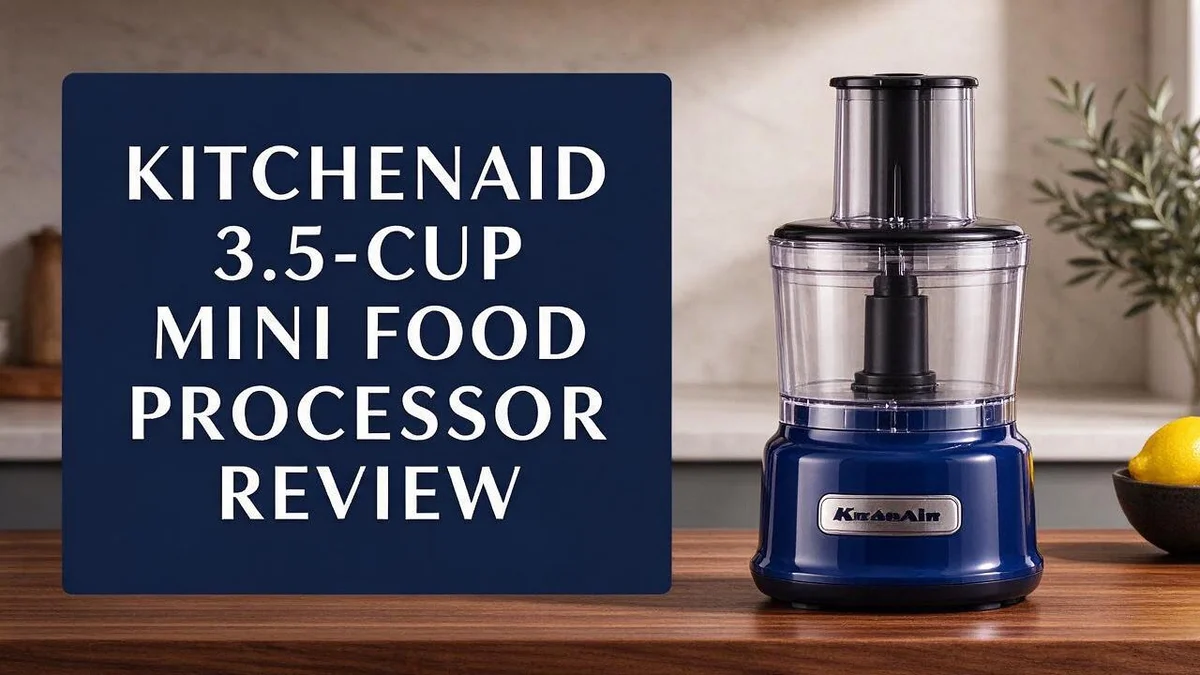
The build feels light and simple. Its small frame fits easily on a crowded counter. Most home cooks will appreciate the tidy look.
The layout keeps things clear. The base holds the controls. The bowl sits on top, and the lid covers it. New users can see how the pieces fit together.
A centered blade matters in a small bowl. Food needs to drop back into reach of the blade after each pulse.
Assembly adds a few extra steps. One reviewer found hand chopping a single onion quicker than setting up the unit. Keep this in mind if you only need a quick chop.
Long term durability is the main question. Buyers should check the lid fit and motor response right after unboxing.
Stability matters too on a busy counter. Small units can shift at higher speeds. Place a folded towel under the base for extra grip.
Inspect the parts before first use. Look for cracks around the bowl rim and check the blade for a tight fit.
A firm lid makes a big difference. Loose lids can leak liquids during dressings or sauces. Press the lid down until it sits flat.
Pick a spot close to an outlet. The cord should reach without stretching across the counter. A short run keeps the unit steady and safe.
Measure the counter and cabinet first so the fit feels right. Check the height too, since the lid may need clearance above.
Storage is easy for small spaces. The compact body can slide into a cabinet or pantry shelf. Keep the blade stored separately so edges stay protected.
Keep the motor base dry at all times. Wipe spills right away to protect the electrical parts.
Daily use shows how well the parts hold up. Check each part after a few weeks of cooking to catch wear early.
Small parts need careful handling. Lift the blade by its base to avoid cuts. Empty the bowl before you tip it.
Overall, the build suits cooks who want a neat, space saving helper.
Capacity and Size
Capacity matters most in a mini processor. The bowl holds 3.5 cups, which equals about 830 ml. That size suits small jobs well.
Think about what fits inside. A single onion, a few garlic cloves, or a small handful of herbs fills the bowl nicely. Going bigger than that usually leads to uneven results.
Overfilling is the most common mistake. Packing the bowl too tight keeps food from circling the blade. For most recipes, filling the bowl about halfway gives the best texture.
Who is this bowl for? It suits one or two people who cook at home. Families or meal preppers may find the capacity too small for regular use.
Liquids need extra room too. Sauces and dressings can rise near the lid, so leave some space at the top. Add liquid slowly for better control.
Hard foods work best in short bursts. Parmesan, almonds, and bread crumbs break down quickly. Keep each pulse brief so you get texture, not paste.
Plan your batches before you start. Cut larger items into chunks that fit the bowl. Measure ingredients first so nothing spills over the rim.
Scaling a recipe takes some planning. Double recipes need two rounds in the bowl. Wipe down the sides between rounds so flavors blend evenly.
Batch work might sound slow. Still, two short rounds often beat one overloaded bowl. Results look more even, and the blade keeps moving freely.
Measuring tools help more than guesswork. Use a liquid measure for dressings and a dry cup for herbs. Small amounts add up quickly in a bowl this size.
Think of this bowl as a single serving tool. It handles one recipe at a time, not a full holiday feast. That limit is the main compromise, but it fits daily cooking well.
Performance and Results
Results matter most when a food processor sits on your counter. This section shows what this mini model actually produces.
Dressings and sauces come out smooth. Olive oil, garlic, and lemon juice blend into a creamy base in seconds.
Dips need a steady hand. Hummus looks best when you stop and scrape the bowl halfway through.
Salsa keeps some texture. Pulse tomatoes, onion, and cilantro in short bursts. You get chunks, not puree.
Aromatics break down fast. Garlic and ginger spread evenly through stir fries and sauces.
Speed settings shape the outcome. Low speed moves food gently, while high speed creates smoother blends.
Pulse offers the best texture control. Short presses let you check progress without overmixing.
Texture depends on timing. Run the motor for ten to fifteen seconds, then check the bowl. Longer runs can turn sauces thin and foamy.
Results improve with practice. Each batch teaches you how long to run the motor. Taste as you go for the best finish.
Ingredients change the final result. Dry or dense items need more pulses than wet ones.
Herbs can bruise if the blade runs too long. Keep an eye on them for brighter color and fresher taste.
Soft foods process evenly and quickly. Little food sticks to the sides when the mix is soft enough to move.
Color stays bright. Fresh citrus zest and parsley keep their green and gold tones when you pulse them briefly.
Even chopping helps flavor. Every bite tastes balanced when pieces are similar in size. Uneven bits can taste sharp in one spot.
Check the bowl often while you learn this machine. Small changes in time can shift results quickly.
Real user feedback supports these results. The 4.7 star rating from September 2023 points to general satisfaction with output.
Most praise focuses on everyday tasks it handles well. Small prep jobs show its strengths clearly.
Bottom line: the results fit small kitchen jobs well. Plan your tasks around its strengths, and the output will please you.
Top 3 Alternatives
Cuisinart Mini-Prep Plus

- SUPERIOR FUNCTION: The Cuisinart Mini-Prep Plus Food Processor offers an efficient 250-watt motor...
- CONVENIENT CONTROL: The 24-ounce food chopper with durable, lightweight plastic body features a...

Last update on 2026-11-19 / Affiliate links / Images from Amazon Product Advertising API Some of the links on this website are affiliate links, which means that at no additional cost to you, I earn a commission if you click through and make a purchase. I only recommend products and services that I believe will add value to my readers. Thank you for your support!
This compact chopper handles quick kitchen jobs with ease.
It has a simple two speed switch and a pulse button for better control. Many home cooks rely on it for chopping onions, garlic, and fresh herbs.
The bowl and blade come apart fast, so cleanup stays simple.
Ninja Chopper Plus

- POWER THROUGH TOUGH INGREDIENTS: Ninja Detect Kitchen System gives you an 1800-peak-watt motor so...
- SMOOTH RESULTS WITHOUT GUESSWORK: BlendSense technology automatically senses your ingredients and...
Last update on 2026-11-16 / Affiliate links / Images from Amazon Product Advertising API Some of the links on this website are affiliate links, which means that at no additional cost to you, I earn a commission if you click through and make a purchase. I only recommend products and services that I believe will add value to my readers. Thank you for your support!
This option packs strong chopping power into a small footprint.
Its sharp blades chop nuts and vegetables in seconds. It works well when you need a fast prep step.
The bowl holds enough for a family snack or a small batch of sauce. Rinsing the parts takes only a moment.
Hamilton Beach Stack & Snap

- TWO BOWLS, ENDLESS VERSATILITY: Includes two bowls, a 14 cup food processor bowl for large batches...
- EASY STACK & SNAP ASSEMBLY: The days of struggling to assemble your food processor are over. Each...
Last update on 2026-11-19 / Affiliate links / Images from Amazon Product Advertising API Some of the links on this website are affiliate links, which means that at no additional cost to you, I earn a commission if you click through and make a purchase. I only recommend products and services that I believe will add value to my readers. Thank you for your support!
This model stands out because of its stacking design.
The bowl, blade, and lid snap together in a neat tower. Storage gets much easier because the parts take up little space.
It suits dips, salsa, and pesto. People with limited cabinet room often find this model very helpful.
Ease of Cleaning
Cleaning day feels shorter with this mini processor. The bowl, lid, and blade all go into the dishwasher. That means only three parts need washing after each use.
Rinsing right away makes the job even easier. Food dries fast on a hot blade, so a quick rinse helps. Warm water loosens garlic oil and herb bits before they stick to the bowl.
Blades need extra care during loading. Place the blade in the dishwasher basket with the sharp edge facing down. This keeps your fingers safe while you reach for other parts.
Pay attention to the lid. Sauces and dips can splash up near the seal. Wipe that area by hand so no residue hardens over time.
Heat can wear down plastic over time. Placing the bowl on the top rack is a practical choice. It keeps the plastic away from the hottest part of the machine.
Wipe the motor base with a damp cloth. Never submerge the base in water. Dry every part fully before you store it, since trapped moisture can cause odors.
Storage also affects cleaning. Store the blade in a dry spot and keep the lid on the bowl. Less dust means fewer rinses before your next recipe.
Cleaning right after use saves time later. Dried sauce and hummus can cling to the bowl walls for hours. A quick wipe or rinse stops that buildup before it starts.
Look at the lid seal each time. Food can hide in small gaps. A soft brush or cotton swab reaches those spots without scratching the surface.
Quick habits keep the processor ready for daily use. Rinse, load, dry, and store. Your mini processor stays fresh and ready for the next batch of dressing or salsa.
Clean parts also stay ready for surprise cooking. Grab the processor, add a few ingredients, and start. There is no sticky mess waiting from last night.
Pros and Cons
Pros
– It takes up little counter space.
– It is easy to clean.
– It works well for dressings, sauces, dips, salsa, and aromatics.
– One reviewer says it replaced both their blender and their food processor.
– One source gives it 4.7 out of 5 stars from September 2023.
Cons
– The small batch size limits big meals.
– One reviewer finds hand chopping one onion faster.
– One video shows a unit that stopped working and needed a fix.
Who Should Buy It
Not every kitchen needs a full size machine. This mini processor suits certain cooks best. Think about how you cook most days first.
Singles and couples often cook small meals. A 3.5 cup bowl makes sense for one batch of pesto or a quick salsa. You skip the mess of a large machine.
Students and renters often deal with tight counter space and small cabinets. This unit slides onto a shelf without a fight. It fits a dorm kitchen or a studio where every inch counts.
Home cooks with a large processor may find this a helpful second tool. Keep the big machine for bread dough or shredding cheese. Reach for the mini when you only need garlic for dinner. This pairing gives you both options at home.
Weekend hosts enjoy making fresh dips before guests arrive. A small bowl handles hummus, guacamole, or whipped feta in one round. The quick cleanup lets you return to your guests fast.
Bakers and big families should look at other options. Large dough batches and meal prep for a crowd will feel slow in a small bowl. A bigger model like the KitchenAid 7 Cup Food Processor saves time in those cases.
Beginners often feel nervous about kitchen gadgets. The simple controls make this tool easy to learn. You can start chopping and blending within minutes.
Shoppers who want more power may compare the Braun MQ7077X. Its 1000W motor handles tougher jobs like nuts or frozen herbs. Pick the model that matches your daily routine.
Ask yourself a simple question. Do you cook for one or two, or for a crowd? Your answer will point you to the right choice. Small kitchens, quick jobs, and simple recipes all benefit from this tool.
Final Verdict
Here is the bottom line. The KitchenAid 3.5-Cup Mini Food Processor works best for small, everyday prep. It rarely feels like overkill in a busy kitchen.
Think of it as a helper for quick jobs. It shines when you need something finished fast. Big recipes with large volumes need a different tool.
Compare it with the competition first. The Braun MQ7077X offers a 1000W motor, so it suits people who want more power. The Cuisinart mini chopper covers similar small jobs. Compare the bowl and lid fit side by side before you decide.
Consider the larger siblings too. The KitchenAid 7-Cup Food Processor keeps the same brand feel with more room. Families may find that extra space far more useful.
Pick your path by counting servings. If you usually cook for one or two people, this model fits your routine. Cooks feeding a crowd should look elsewhere.
A simple test helps. Write down the three tasks you repeat most each week. If those tasks involve small amounts, this processor will feel like a natural fit.
Keep expectations realistic. One reviewer says it replaced a blender and a food processor. Your results still depend on how you cook and what you make most often.
Check the return policy before you buy. One video showed a unit that failed and needed repair. A clear return window gives you peace of mind.
Keep it close at hand. Place it near your cutting board so grabbing it feels effortless. Quick access encourages you to use it more often.
Your cooking habits decide the result. Frequent cooks will use it daily and notice the time saved. Occasional cooks may find that a simple knife works just as well.
Overall, this mini processor earns a solid recommendation. It handles small tasks well and cleans up with little hassle. Buyers who keep expectations realistic will likely feel happy with their choice.
Frequently Asked Questions
How do I get the right texture?
Use the pulse button for most jobs. Short pulses give you a chunky salsa with visible pieces. Longer runs turn ingredients into a smooth dip. Stop the machine often and check the bowl, so you stop at the texture you want.
Can it make pesto or nut sauces?
Yes, it handles these jobs well. Add herbs, garlic, and nuts first. Then drizzle in oil while the machine runs. Scrape down the sides between runs so every bit blends evenly.
How does it compare with the Cuisinart mini chopper?
The Cuisinart 3.5 cup mini chopper is a close match in size. Both suit small prep tasks like chopping herbs or mixing a quick dip. Pick the KitchenAid if you already own other KitchenAid tools and want a matching look in your kitchen.
Should I cut food before adding it?
Yes, cut large items into rough chunks first. Pieces about one inch wide process more evenly. Avoid filling the bowl to the top. Packed food moves less, so some pieces stay large while others turn to paste.

Hi, I’m Greta Monroe, and I’m passionate about making every kitchen a place of creativity and efficiency. I’ve spent years exploring and testing kitchen gadgets, tools, and devices to help home cooks find exactly what they need. At ChefKit Blog, I share honest Amazon product reviews and practical insights on kitchen essentials that actually make a difference. From must-have basics to innovative new devices, I break down what works and what doesn’t. My mission is simple: to help you build a kitchen that inspires delicious possibilities every single day.