Smeg 50’s Retro Food Processor Review: Worth the Price?
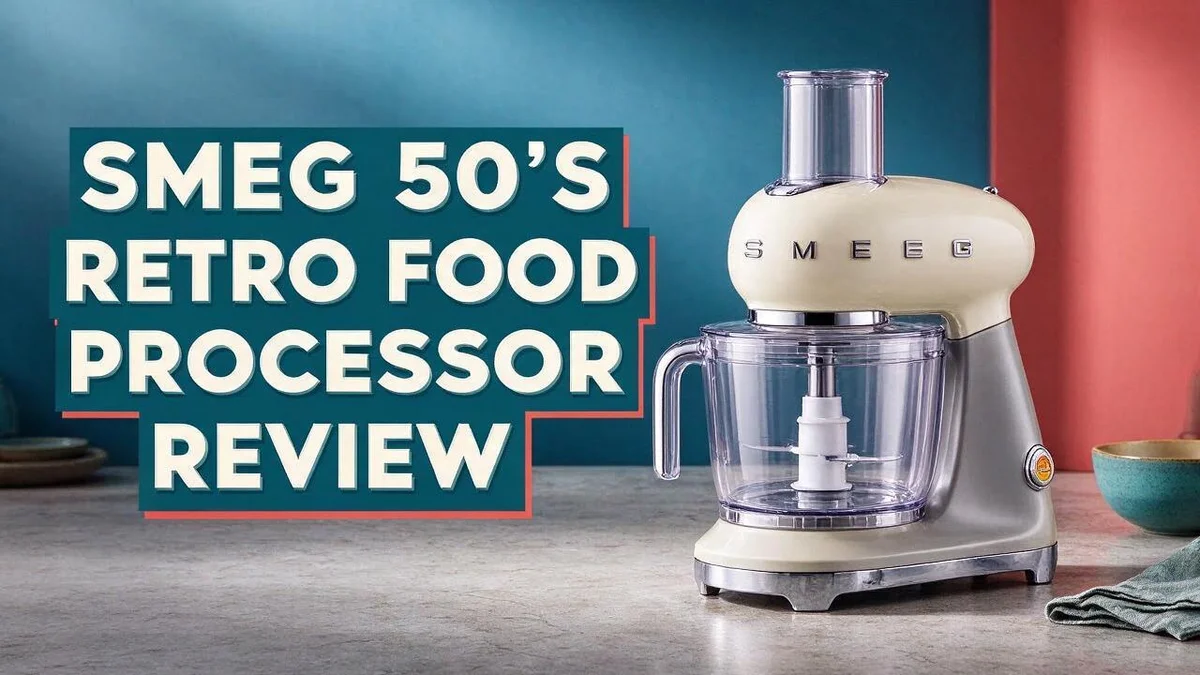
Kitchen gadgets can be fun to look at. The Smeg 50’s Retro Food Processor turns heads right away. It brings a bold, nostalgic look to any counter.
Many home cooks want tools that look good and work well. This model comes in Black and White, both from the 50s series. Its iconic Italian styling gives it a classic feel.
Retailers say it delivers top performance. However, independent tests are hard to find so far. Specs like bowl size and wattage are not clearly listed.
Still, the retro design alone makes it stand out. If you love vintage style, this machine may fit your space. Let’s look at what it offers and where it might fall short.
In a Nutshell
- Two colors to pick from: The 50s series comes in Black and White. Black gives a bold, sleek look, while White feels soft and bright.
- Missing details matter: No bowl size, wattage, or attachment list is published yet, so check these before you commit.
- Claims need proof: Performance praise comes from retailer copy, not independent tests. Real cooks often share honest results in their own kitchens.
- Best fit for: Shoppers who want a clear feature list may want to wait for more facts before they choose.
- Ask the seller: Request capacity numbers, motor power, and included blades so you can compare it with other machines. Written answers from the seller often settle these quick questions.
- No known drawbacks yet: Current research lists no cons, but that does not mean none exist. Keep an eye out for user feedback over time.
Design and Build Quality
Build quality shows up in small details. You can often judge them with your own eyes and hands before you buy.
Start with the lid and locking points. A lid that clicks into place feels secure. A loose lid can wobble during use, so test it firmly in the store.
Look at the base next. A heavy base keeps the unit steady on the counter. Light models may slide when you push thick dough or chop dense vegetables.
Check the surface finish closely. Smooth paint or enamel style coatings resist fingerprints better than rough textures. Glossy colors also show scratches quickly.
Handles and knobs get used every day. Test each one for wobble and grip. Loose knobs can frustrate you after a few months.
Cleaning is part of the design story too. Smooth surfaces wipe down in seconds. Fewer crevices mean less dirt hides in the corners.
Retro style often means round edges and chunky shapes. Those curves can trap crumbs at the joints, so check the seams closely.
Think about how it sits with other appliances. Many people build a kitchen around a color scheme. A retro finish can match a toaster or kettle, so bring a photo of your counter.
Cord storage deserves attention as well. A neat cord wrap keeps the counter tidy. Ask yourself whether the cord reaches your outlet without a stretch.
Warranty coverage signals confidence. A longer warranty often suggests the maker trusts its parts. Read the terms carefully, since coverage details are not in the current research.
Finally, handle the parts. Attachments that snap in smoothly suggest careful molding. Stiff or gritty parts may signal a poor fit.
Take your time with this check. Solid build quality means fewer surprises later in daily use.
Capacity and Size
Capacity matters most when you cook for a specific group. A small bowl suits herbs and dressings. A larger bowl suits dough and big batches.
Start with your household. Count how many people eat at your table most nights. Then picture your usual recipes.
Single cooks and couples often need less room. Families may need a bowl that handles soups, sauces, and large salads at once.
Think about the tasks first. Chopping onions takes little space. Making pastry or pesto in bulk asks for more.
Retro styling can make any appliance look smaller or larger than it really is. Rounded shapes can hide a wider base than expected. Measure before you buy.
Measure your counter space. Note the width and depth of the spot you plan to use. Leave room for the lid to open fully.
Check the height too. Many people store appliances under wall cupboards. A tall unit may not fit there.
Think about storage. Do you keep it out on the counter every day? Or do you pull it from a cupboard once a week? The answer changes how much size matters.
Weigh the unit as well. A heavier base feels steady during chopping. A lighter one moves easily when you clean behind it.
Use tape or cardboard to mark the footprint. Place it on the counter for a few days. This simple test shows how it fits your daily routine.
Plan for batch cooking. Some people want extra room to prep meals ahead. Others want a smaller footprint for a tight kitchen.
Ask yourself which problem you want to solve. A bigger capacity saves time on large batches. A smaller size saves space and speeds up cleanup.
Final check before you decide. Write down your numbers, then compare them with the manufacturer’s listed dimensions once they appear. Clear measurements make the choice easier.
Performance and Versatility
The Smeg 50’s Retro Food Processor promises strong results. Still, that praise comes from sellers, not from real testing.
Versatility depends on the jobs you give it. Think about your weekly routine first. Do you chop herbs, blend soups, or mix small batches of dough?
Each task asks something different from a machine. Chopping vegetables needs a sharp blade and steady speed. Pureeing soup needs a smooth, even motion.
Pulse control matters more than many people expect. Short bursts let you stop before food turns to mush. Check the manual for a pulse setting, since it gives you finer control.
Try a simple test at home. Chop an onion, then slice a tomato. Watch how evenly the pieces come out and whether the base stays steady.
Consider the food you cook most. Hard foods like nuts or cheese test a motor more than soft foods do. Wet mixtures like hummus or pesto suit many machines well.
Read owner reviews with care. Look for comments about noise, heat, and how the machine handles thick mixtures. These details often reveal real behavior, while retailer copy rarely mentions them.
Remember the gap in current research. No independent data covers speed settings or stalling under load. Until that data appears, your own trial gives the clearest answer.
Versatility also covers mixing with other tools. A hand blender or stand mixer may handle some jobs better. Ask yourself which tasks need a dedicated machine and which can stay with tools you already own.
A machine that handles many tasks saves counter clutter. Yet a single job done poorly still frustrates. Choose based on the three or four tasks you repeat most often.
Keep your expectations realistic until more facts arrive. Strong looks and retro charm do not prove strong output. Measure the results you see, not the marketing you read.
Top 3 Alternatives
Cuisinart Food Processor

- Powerful Food Processor: This must-have Cuisinart Food Processor delivers reliable performance...
- 11-Cup Food Processor: Our 11-cup food processor offers the perfect size for meal prep, whether in...

Last update on 2026-11-16 / Affiliate links / Images from Amazon Product Advertising API Some of the links on this website are affiliate links, which means that at no additional cost to you, I earn a commission if you click through and make a purchase. I only recommend products and services that I believe will add value to my readers. Thank you for your support!
The Cuisinart Food Processor is a classic choice for home cooks. Its large bowl and strong motor handle chopping, slicing, and kneading dough in minutes. The wide feed tube saves prep time because you cut less produce before you start. The reversible slicing disc gives clean, even cuts for salads and gratins. Pulse control keeps chopped herbs fresh and light.
Breville Sous Chef

- The Breville Sous Chef 16 food processor is where precision and consistent size are the keys to...
- RECIPES FOR HOME AND KITCHEN: Breville+ opens a world of instant mastery with over 1000 guided...
Last update on 2026-11-19 / Affiliate links / Images from Amazon Product Advertising API Some of the links on this website are affiliate links, which means that at no additional cost to you, I earn a commission if you click through and make a purchase. I only recommend products and services that I believe will add value to my readers. Thank you for your support!
The Breville Sous Chef suits serious cooks who want precise control. It offers many blade choices and an adjustable slicer for thickness. Its smart settings help you get consistent results every time. The large capacity works well for meal prep and batch cooking. The bowl locks firmly during heavy work, so it stays steady on the counter.
KitchenAid Food Processor

- All-in-one storage solution stores all blades and discs directly in the bowl
- Snap-and-go, easy-clean work bowl with a twist-free, one-click bowl assembly and latched lid; Add...
Last update on 2026-11-19 / Affiliate links / Images from Amazon Product Advertising API Some of the links on this website are affiliate links, which means that at no additional cost to you, I earn a commission if you click through and make a purchase. I only recommend products and services that I believe will add value to my readers. Thank you for your support!
The KitchenAid Food Processor blends style with everyday function. It comes in bright colors that match modern kitchens. Its sturdy base lets you mix, chop, and shred with ease. Owners often praise its smooth performance with dough and sauces. The compact design fits on most counters, so it works well in smaller spaces.
Ease of Cleaning
Cleanup happens after every meal. A food processor that is hard to wash often ends up unused. Think about the cleanup before you buy.
Start with the blade. Food can hide around it. Check how the blade lifts out of the bowl.
Next, look at the lid and bowl seam. Crumbs and moisture collect in tight gaps. Ask yourself if a sponge can reach every corner.
Rinse right after use. Wet food dries hard on the blade and inside the lid. A quick rinse under warm water removes most of the mess.
Many people wonder about the dishwasher. The current research does not confirm whether these parts are dishwasher safe. Always check the manual before you load any part.
Drying matters too. Trapped water can leave spots or cause odors. Let each part air dry on a rack before you store it.
Try a cleanup test in the store if you can. Run a sponge along the seams. Feel for sticky spots or areas that trap food.
Keep a small brush nearby. A soft brush helps clear the edges and corners quickly. Many cooks find this simple tool saves time.
Read owner reviews that mention cleaning. Owners often share tips for tough spots. They also explain how long the cleanup really takes.
Remember that independent cleaning tests are missing from current research. Real user stories fill that gap well. Use them to build a clear picture before you decide.
Safety Features
Safety matters with any kitchen machine. A food processor has a sharp blade and a fast motor. This section covers what to check before you buy.
Right now, no independent safety data exists for this model. The research only offers retailer marketing copy. So you need to check safety yourself.
Look for a lid lock. Many food processors stop the motor when the lid is not sitting correctly. Ask the seller or read the manual to confirm this feature.
Check the safety marks. Look for a certification label on the base or the box. Marks like CE often show that a unit meets set European standards.
Think about curious hands. Young children love buttons and bright colors. Keep the machine unplugged and out of reach when you are not using it.
Give the motor a rest. Long runs can heat the motor. Run the machine in short sessions and let it cool between batches.
Mind the cord. A cord hanging over the counter can catch a pan or a child’s arm. Plug the unit into a nearby outlet and keep the cord tidy.
Store the blade safely. A loose blade in a drawer can cut your fingers. Keep the blade in its original spot or a protective cover whenever you store the bowl.
Keep water away from the base. Electric motors and water do not mix. Wipe spills from the base at once and never submerge the motor unit.
Read the manual first. Manuals list warnings about hot surfaces, liquids, and safe lid use. Keep it with your kitchen papers for quick reference.
Stay nearby while it runs. Never leave the machine running on the counter. Stop it right away if you hear grinding or smell burning.
Safety features on this model remain unclear from current research. Use these checks as your guide, and ask the retailer for details before you decide.
Pros and Cons
Pros
- Retro look adds a classic touch to your countertop.
- The black and white options suit many kitchen colors.
- Retailers describe the styling as iconic Italian design.
- Retailers claim it delivers top performance.
- A matching Smeg look may suit a kitchen with other retro appliances.
Cons
- Current research has no independent test results.
- The performance claims come from the seller, not reviewers.
- The retro styling may clash with a modern kitchen.
- No documented downsides means you should test it yourself.
Who Should Buy It
Some cooks will enjoy this machine more than others. Think about how you cook before you decide.
Casual home cooks prepare a few meals each week and want a simple helper. This food processor can chop onions, blend sauces, and whip up a quick dip. If you want to cut down on prep time, it may suit you well.
First time buyers often feel unsure which features matter most. This model gives a clear starting point. Keep your expectations realistic, though, because no independent tests confirm how it handles tough jobs.
Busy parents may also appreciate quick prep. A few pulses can turn leftover vegetables into a fast soup base or a spread for lunchboxes. Still, check the bowl size before you plan family-sized batches.
Hosts who love entertaining may like this model too. A stylish machine looks at home on a counter during a dinner party. Guests often ask about it, so it can become a conversation starter.
Gift shoppers can consider it as well. Someone who loves cooking and retro design may feel delighted to open it. Confirm the color first, since the black and white versions create very different looks in a room.
Anyone who needs big batches should look further. The available facts do not list a bowl size or volume, so you cannot judge capacity yet. Check the stated size on the official listing before you commit.
Cooks who want many extra tools should also pause. No attachments are documented for this model. If you plan to slice, shred, or knead often, compare the included parts with other options.
Ask yourself a few simple questions. How often will you use it? How much counter space can you spare? Do you want a machine that doubles as décor? Honest answers make the choice much easier.
Final Verdict
The verdict starts with style. The Smeg 50’s Retro Food Processor brings a cheerful look to the counter. Its performance is the bigger open question.
Right now, the evidence is thin. Most of what we know comes from retailer copy. That makes it a useful starting point, but not a full picture.
Treat this as a shortlist pick, not a final answer. Shoppers who value looks above all may feel happy with it. Shoppers who need clear numbers should wait for more data.
Before you commit, check the official maker site. Look for bowl capacity, motor power, and the blade set. These details help you compare this model with other machines.
Ask the retailer about the return policy. A clear return window gives you time to try the processor in your own kitchen. It also protects you if it misses your usual tasks.
Think about your normal recipes. Chopping onions for a weeknight soup asks less than kneading dough or shredding large batches of cheese. Match the machine to your daily routine.
Watch video demos from independent creators. Real footage shows how the bowl handles chopped herbs, nuts, and thick pastes. Real results matter more than marketing images.
Measure your counter space before you decide. A machine that lives out on the counter needs room for the base, the bowl, and your hands. Measure the spot first, then compare the dimensions with your kitchen layout.
Keep a notebook of questions as you shop. Write down what you want the machine to do each week. Bring that list to the store or the chat window, and compare the answers from each seller.
Bottom line: this food processor suits someone who wants a stylish helper for simple tasks. Keep your expectations grounded until independent tests appear. A smart buyer waits for proof before making a final choice.
Frequently Asked Questions
What specs does this food processor offer?
The current research does not list the wattage, bowl size, or included attachments. Check the official maker site for exact numbers before you compare it with other models. Written specs make side by side choices much easier.
How do I clean it after use?
Unplug the machine first and let it cool. Wash the bowl and blade with warm, soapy water. Always read the manual to see which parts are dishwasher safe.
Does it come with a warranty?
The research does not confirm the warranty length. Look for warranty details on the maker site, or ask the retailer for written terms. Keep your receipt in case you need service later.
Can it handle dough or thick mixtures?
Nothing in the research confirms this. Check the manual for listed uses. Thick mixtures can strain small motors, so start with small batches and watch how the machine responds.
What should I do if the bowl is too full?
Overfilling can make food spill out or cook unevenly. Cut ingredients into smaller pieces first. Fill the bowl only up to the marked line, and work in rounds if you have a lot to prep.

Hi, I’m Greta Monroe, and I’m passionate about making every kitchen a place of creativity and efficiency. I’ve spent years exploring and testing kitchen gadgets, tools, and devices to help home cooks find exactly what they need. At ChefKit Blog, I share honest Amazon product reviews and practical insights on kitchen essentials that actually make a difference. From must-have basics to innovative new devices, I break down what works and what doesn’t. My mission is simple: to help you build a kitchen that inspires delicious possibilities every single day.