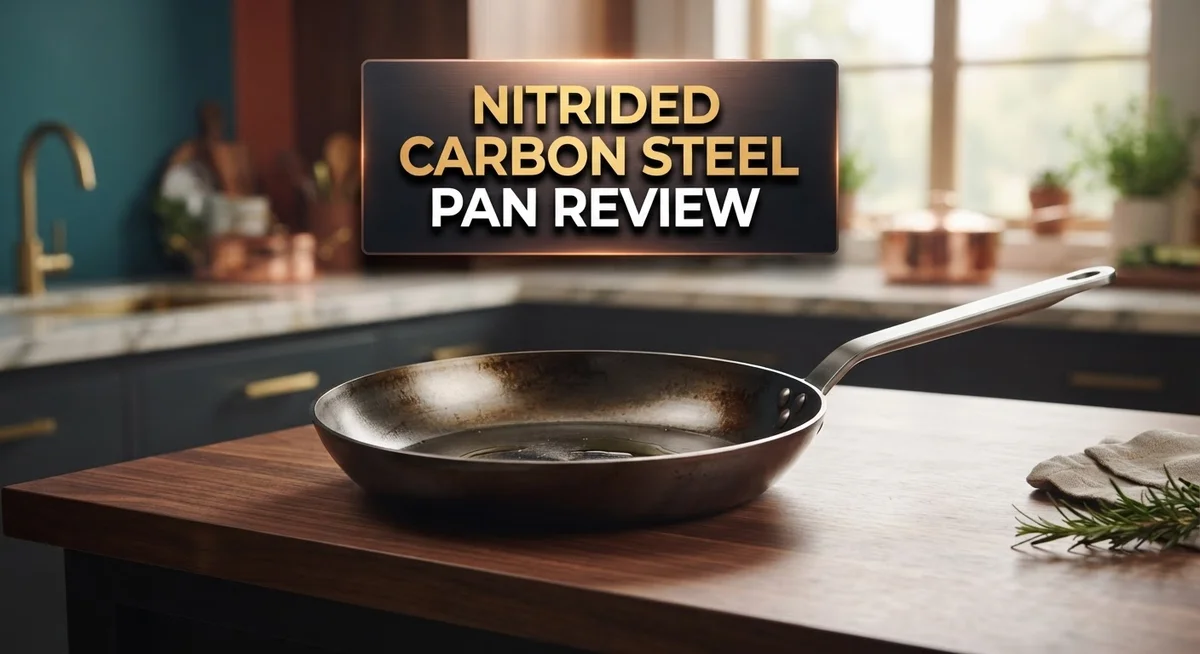
Nitrided Carbon Steel Pan Review 2026: Worth Buying?
Nitrided carbon steel pans are changing the way we cook. They mix the best parts of carbon steel with a tough new coating. This coating helps fight rust and scratches.
Are you tired of pans that rust after one wash? Or coatings that peel off too soon? A nitrided pan might solve these problems.
This pan works on every cooktop. You can use it on gas, electric, or induction. It also handles high heat well, though not extreme heat.
In a Nutshell
- Rust resistance is a standout trait. The nitriding process shields the metal, so washing your pan does not lead to spots or stains.
- The surface stays less reactive. Cook tomatoes or wine sauces without worrying about metallic taste.
- You get better scratch resistance than plain carbon steel. Metal spatulas feel safer here.
- Fond builds up nicely on the surface. This means rich flavor when you deglaze for sauces or gravies.
- Weight matters too. This pan feels lighter than a normal carbon steel pan, so it does not tire your arm during long cooks.
Build Quality and Nitriding Process
The nitriding process is what sets these pans apart from standard carbon steel. A nitrogen-based compound bonds to the steel surface during manufacturing. This creates a harder, more durable layer that resists rust and corrosion naturally.
The coating acts as a protective shield. It prevents moisture from reaching the bare steel underneath. Unlike traditional seasoning, which sits on top, nitriding actually changes the steel itself. This means the protection goes deeper and lasts longer.
The factory seasoning comes pre-applied to nitrided pans. You don’t need to season them before your first use. Most people can cook right away with minimal sticking. The initial coating feels smooth and ready to go.
Scratch resistance improves significantly with nitriding compared to plain carbon steel. The harder surface shrugs off metal utensils better. Wooden spoons and silicone tools work fine too. However, the coating will eventually show wear with heavy use over time.
The nitriding process also makes the pan less reactive to acidic foods. Tomatoes, vinegar, and citrus won’t discolor your food or leave metallic tastes. This opens up more cooking possibilities without worrying about chemical reactions.
Heat distribution remains even across the surface. The nitrided layer doesn’t interfere with how the pan conducts warmth. You get consistent cooking results from edge to edge.
One important note: these pans have temperature limits. They shouldn’t be heated to extremely high temperatures for extended periods. The coating can degrade if pushed too far. Most home cooking stays well within safe ranges, so this rarely becomes an issue.
Regular maintenance still matters. Even with the nitriding protection, you should hand wash and dry your pan promptly. A light oil rub after cleaning keeps the surface in top condition. The coating isn’t completely maintenance free, despite being more durable than alternatives.
The nitriding process represents a genuine improvement in carbon steel technology. It combines rust resistance with scratch durability in one package. You get a more forgiving pan without sacrificing the cooking performance serious cooks expect.

- BUILT FOR EVERYDAY COOKING: This 10 inch carbon steel frying pan offers the perfect balance of...
- ADVANCED NITRIDED STEEL PROTECTION: StackBear NitrOx deep nitriding technology hardens the carbon...
Last update on 2026-10-23 / Affiliate links / Images from Amazon Product Advertising API Some of the links on this website are affiliate links, which means that at no additional cost to you, I earn a commission if you click through and make a purchase. I only recommend products and services that I believe will add value to my readers. Thank you for your support!
Heat Distribution and Cooking Performance
A nitrided carbon steel pan heats up fast and spreads warmth evenly across the cooking surface. This uniform heat distribution means your food cooks consistently without hot spots that burn some areas while leaving others undercooked.
The pan responds quickly to temperature changes. When you turn up the flame, it gets hotter immediately. When you lower the heat, it cools down fast too. This responsiveness gives you better control over your cooking.
Fond development is excellent with these pans. As you cook meat or vegetables, flavorful browned bits stick to the surface. You can deglaze with wine or broth to create rich pan sauces. The nitrided surface holds onto these bits better than some other cookware.
The factory seasoning helps performance right away. You don’t need to season the pan for hours before your first use. The pre-applied coating gives you a decent nonstick surface from day one. This saves time and frustration for new users.
However, sticking increases over time with regular use. The initial nonstick quality fades as the seasoning wears down. You’ll need to add more oil or butter during cooking as months pass. This is different from traditional carbon steel, which improves with age.
Temperature limitations affect how you can use this pan. You cannot heat it to extremely high temperatures like you would with plain carbon steel. The nitriding coating has a ceiling. Push it too hard, and the coating breaks down faster.
The less reactive surface means acidic foods won’t damage the pan as quickly. Tomato sauce, vinegar, and citrus won’t strip away the seasoning as aggressively. This is a real advantage if you cook acidic dishes regularly.
Cooking performance is strong overall. The even heating and quick response make everyday cooking easier. The fond builds up nicely for sauce making. Just remember that regular maintenance keeps the pan performing well. Hand wash and dry promptly after each use to maintain the surface and prevent rust.
Compatibility and Versatility Across Cooktops
A nitrided carbon steel pan works on every cooktop type you own. Gas, electric, ceramic, and induction all work perfectly. This universal compatibility means you don’t need multiple pans for different stoves.
The nitriding process creates a surface that conducts heat evenly across the entire pan. You get consistent cooking temperatures from edge to center. This prevents hot spots that can burn your food or leave it undercooked. The pan heats up quickly when you turn up the flame.
Temperature changes happen fast with these pans. If you lower the heat, the cooking surface cools down rapidly. This gives you precise control over your cooking. You can sear meat at high temperatures, then shift to medium heat for finishing without waiting.
One key limitation exists with nitrided pans. They cannot handle extreme heat levels like some traditional carbon steel options. Pushing them to the absolute highest temperatures can damage the nitriding coating. Stay within normal cooking ranges, and you’ll avoid problems.
The less reactive surface means you can cook acidic foods without worry. Tomatoes, vinegar, and citrus won’t create metallic tastes or damage the pan. This opens up more recipes compared to plain carbon steel.
Fond develops beautifully on nitrided surfaces. After searing, you can deglaze with wine or broth to make pan sauces. The cooked bits stick just enough to build flavor, then release when you scrape with a wooden spoon.
Weight matters for daily use. Nitrided pans are lighter than traditional carbon steel versions. You can flip food or move the pan around your stove without arm fatigue. This makes them practical for extended cooking sessions.
Versatility across cooktops combined with even heating makes these pans adaptable to most kitchens. The temperature control is responsive and intuitive. However, remember the temperature ceiling. Respect these limits, and your nitrided pan will perform reliably across all your cooking needs.
Top 3 Alternatives
Lodge Cast Iron Skillet

- Versatile Cooking Skillet: The Lodge Cast Iron Skillet is a multipurpose, everyday cooking pan that...
- Pre-Seasoned & PFAS-Free: This pre-seasoned skillet is made with 100% natural vegetable oil for a...

Last update on 2026-10-23 / Affiliate links / Images from Amazon Product Advertising API Some of the links on this website are affiliate links, which means that at no additional cost to you, I earn a commission if you click through and make a purchase. I only recommend products and services that I believe will add value to my readers. Thank you for your support!
Lodge cast iron skillets offer natural heat retention that rivals nitrided carbon steel. These pans develop a seasoned surface over time, creating a non-stick layer without chemical coatings. Cast iron heats evenly and distributes warmth across the entire cooking surface.
You get durability that lasts generations. Lodge skillets can handle high temperatures and work on any stovetop, including induction. The main difference? Cast iron requires regular seasoning and maintenance to keep its performance level.
Le Creuset Enameled Cookware

- Enameled cast iron delivers superior heat distribution and retention
- Ready to use, requires no seasoning
Last update on 2026-10-23 / Affiliate links / Images from Amazon Product Advertising API Some of the links on this website are affiliate links, which means that at no additional cost to you, I earn a commission if you click through and make a purchase. I only recommend products and services that I believe will add value to my readers. Thank you for your support!
Le Creuset enameled cookware combines cast iron with a colorful enamel coating. This removes the seasoning requirement entirely. The enamel prevents rust and eliminates food sticking without extra steps.
These pans excel at slow cooking, braising, and simmering. Heat distribution remains excellent thanks to the cast iron base. The enamel coating means you never worry about maintenance or re-seasoning. However, the enamel can chip if dropped or mishandled.
All-Clad Stainless Steel Pan

- The Only Pan You Need. The D3 12" Fry Pan with lid sears, sautés, steams, and simmers with ease...
- Premium 12-inch stainless steel fry pan with a lid, featuring a durable and versatile tri-ply...
Last update on 2026-10-23 / Affiliate links / Images from Amazon Product Advertising API Some of the links on this website are affiliate links, which means that at no additional cost to you, I earn a commission if you click through and make a purchase. I only recommend products and services that I believe will add value to my readers. Thank you for your support!
All-Clad stainless steel pans deliver professional-grade performance for everyday cooking. They heat quickly and respond fast to temperature changes. Stainless steel resists staining and requires minimal maintenance compared to carbon steel.
These pans work on all cooktops and inside the oven. Food doesn’t stick as easily as with cast iron, though they require proper oil or butter. All-Clad pans last for decades and develop a natural patina from regular use.
Each option replaces nitrided carbon steel with different strengths. Choose Lodge for budget-friendly durability, Le Creuset for low-maintenance cooking, or All-Clad for consistent professional results.
Seasoning and Maintenance Requirements
Nitrided carbon steel pans need consistent care to perform their best. The nitriding process gives you a head start, but ongoing maintenance keeps your pan in top shape for years of cooking.
Hand washing is your first line of defense. Avoid putting your pan in the dishwasher. Hot water and harsh detergents can break down the seasoning layer over time. Instead, wash by hand with warm water and mild soap. Use a soft sponge or cloth to clean the surface gently.
Dry your pan immediately after washing. Moisture left on the surface invites rust, even with the nitriding protection. Wipe it down with a clean kitchen towel right away. This simple step prevents most damage before it starts.
Seasoning keeps your pan performing well. While nitrided pans arrive pre-seasoned, you should add oil layers periodically. After washing and drying, apply a thin coat of neutral oil like vegetable or canola oil. Wipe away excess oil so the surface looks almost dry. This builds up your seasoning over time and reduces sticking.
Heat matters during maintenance too. Store your pan in a cool, dry place away from moisture. Avoid stacking heavy items on top of it. The nitriding coating is scratch resistant, but it can still wear down with rough treatment.
Address sticking issues early. If food starts sticking more than usual, your seasoning layer needs refreshing. Add a bit more oil during cooking or season the pan again between uses. This prevents the problem from getting worse.
Storage conditions affect longevity significantly. Keep your pan away from humidity and extreme temperature swings. A kitchen cabinet works better than a damp garage or basement.
Regular maintenance doesn’t take much time. A few minutes of care after each use keeps your nitrided carbon steel pan in excellent condition. You’ll notice better cooking results and fewer problems when you stay consistent with these habits.
Durability and Long-Term Wear
A nitrided carbon steel pan holds up well over years of kitchen use. The nitriding process creates a protective layer that resists rust and scratches better than standard carbon steel. This means your pan stays functional and attractive longer.
However, durability depends on how you treat it. The coating will eventually show wear if you use metal utensils frequently or expose it to extreme conditions. Scratches and small chips can appear over time, especially with daily cooking.
The good news is that minor wear doesn’t ruin your pan. Nitrided pans continue working even after the surface shows age. The underlying carbon steel remains strong and reliable underneath.
Regular maintenance extends your pan’s life significantly. Hand washing immediately after use prevents rust from forming. Leaving moisture on the surface speeds up deterioration. Drying your pan right away keeps it in top shape.
Storage matters too. Keep your nitrided pan in a dry location away from humidity. Damp environments encourage rust to develop, even with the nitriding protection. A kitchen cabinet or hanging rack works well for long term storage.
Seasoning plays a key role in durability. Your pan arrives pre-seasoned, but this layer wears down with use. Adding fresh oil layers periodically refreshes the protection and prevents sticking from getting worse. This simple step keeps your pan performing well for many years.
Temperature limitations affect lifespan as well. Avoid heating your nitrided pan to extremely high temperatures. Excessive heat can damage the nitrided coating and affect performance. Most cooking happens well within safe temperature ranges, so this rarely becomes a real problem.
Comparing to traditional carbon steel, nitrided pans need slightly different care. They don’t develop seasoning as quickly, but they resist rust better. This trade off means less intensive maintenance overall.
Your nitrided carbon steel pan will last decades with proper care. The nitriding process gives it advantages over standard carbon steel in terms of rust resistance. Scratches and wear happen naturally, but they don’t stop your pan from cooking great meals. Consistent maintenance and thoughtful storage keep your investment performing strong.
Pros and Cons
Pros
- Rust resistant thanks to the nitriding process that protects the steel underneath
- Comes pre seasoned from the factory so you can cook right away
- Scratches and scrapes don’t penetrate as easily as standard carbon steel pans
- Heat spreads evenly across the cooking surface for consistent results
- Works on all cooktop types including induction stovetops
Cons
- Sticking increases over time even with the nitrided coating, requiring regular seasoning touch ups
- The protective coating eventually wears away with repeated use and scratching
- Cannot handle extremely high heat temperatures without risk to the coating integrity
- Doesn’t develop a natural seasoning layer as effectively as traditional carbon steel pans do
Who Should Buy It
A nitrided carbon steel pan works best for home cooks who want durability without constant fussing. You should consider this pan if you cook regularly and enjoy building kitchen skills over time.
Home bakers benefit greatly from this option. The even heat distribution helps you achieve consistent browning on pancakes, crepes, and sautéed vegetables. The pan develops fond naturally, which makes deglazing and sauce creation simple.
Professional or semi-professional cooks find real value here too. The scratch-resistant surface holds up better than standard carbon steel when you use metal utensils. You can work faster without worrying as much about damaging your pan’s coating.
If you prefer low-maintenance cookware, this pan suits you well. The factory seasoning means you start cooking immediately, unlike traditional carbon steel that needs weeks of preparation. You won’t need special oils or complicated seasoning routines from day one.
Induction cooktop users should definitely consider this pan. Many nitrided options work on all cooktop types, so switching between electric, gas, or induction poses no problems. Your investment stays useful even if you upgrade your kitchen later.
Cooks who value versatility appreciate this pan’s range. You can sear, fry, bake, and simmer in the same piece. The heat control works well for both high-temperature cooking and gentle simmering.
However, skip this pan if you want completely hands-off cookware. You still need to maintain seasoning regularly despite the nitriding process. Sticking increases over time, so periodic oil layers keep performance strong.
Avoid this option if you cook exclusively at extremely high temperatures. The coating has limits, and pushing past them damages the protection underneath.
Families who cook multiple meals daily will appreciate the durability. The scratch-resistant properties mean children or rushed cooking won’t destroy your pan quickly. It survives years of active kitchen use when you follow basic care steps.
Ultimately, nitrided carbon steel pans suit cooks who want a middle ground. You get better protection than traditional carbon steel but keep the cooking performance and seasoning benefits that make carbon steel special. This pan rewards consistent care with excellent performance.
Final Verdict
The nitrided carbon steel pan earns its spot in many kitchens. It blends the strength of carbon steel with a modern coating that fights rust. This makes it a smart pick for cooks who want long term value.
Compared to the Misen Nitrided Carbon Nonstick Pan, this option holds its own. Both share the same core benefits like even heating and light weight. The main difference lies in brand specific tweaks to the nonstick layer.
If you weigh this pan against a ceramic skillet, the choice depends on your cooking style. Ceramic skillets offer a different kind of nonstick surface but lack the same heat retention. Carbon steel wins for searing and browning tasks.
One point worth noting is the environmental impact of the nitriding coating. Some cooks prefer traditional carbon steel for this reason alone. It comes down to personal priorities around materials and production methods.
The pan’s ability to build fond makes it a favorite for sauce making. This feature alone sets it apart from many nonstick alternatives on the market. Cooks who love deglazing pans will appreciate this trait.
Think about your cooking habits before buying. Do you sear meat often? Do you deglaze pans for sauces? If yes, this pan fits your needs well.
Home cooks and semi-professionals both find something to like here. The pan handles daily use without demanding constant attention. It also survives accidental scrapes better than plain carbon steel.
In short, this pan delivers a smart mix of durability and performance. It suits people who want carbon steel benefits without extreme fuss. The coating protects against rust while still allowing that classic sear.
Choose this pan if you want dependable results across many cooking styles. Skip it only if you need cookware built purely for ultra high heat tasks. For most kitchens, this pan proves to be a solid long term partner.
Frequently Asked Questions
How does nitrided carbon steel differ from regular carbon steel?
Nitriding is a special coating process that changes the steel’s surface. This coating makes the pan more rust-resistant and scratch-resistant than standard carbon steel. Regular carbon steel rusts easily and scratches quickly. Nitrided pans handle both problems better. The coating also makes the surface less reactive with acidic foods.
However, nitrided pans still need regular seasoning. The coating isn’t a true nonstick surface. Over time, it will scratch and wear away with normal use.
Can I use a nitrided carbon steel pan on an induction cooktop?
Yes, absolutely. Nitrided carbon steel pans work on all cooktop types. This includes induction, gas, electric, and ceramic. If you have an induction stove, this pan is a solid choice.
Does this pan come ready to use, or do I need to season it first?
Most nitrided carbon steel pans arrive pre-seasoned from the factory. You can start cooking right away without extra prep work. That said, regular seasoning touch-ups keep the pan performing well. The coating eventually wears down with repeated use, so maintenance helps extend its life.
Will food stick to a nitrided carbon steel pan?
The nitrided coating reduces sticking compared to bare carbon steel. However, sticking increases over time as the coating wears. You’ll notice more sticking after months of regular cooking. This is normal and expected. Proper seasoning and cooking technique help minimize the problem.
Is a nitrided carbon steel pan good for making sauces?
Yes. The pan builds fond beautifully, which is the browned bits left after cooking meat or vegetables. You can deglaze the pan with liquid to make delicious sauces. This makes nitrided carbon steel great for pan sauces and gravies.

Hi, I’m Greta Monroe, and I’m passionate about making every kitchen a place of creativity and efficiency. I’ve spent years exploring and testing kitchen gadgets, tools, and devices to help home cooks find exactly what they need. At ChefKit Blog, I share honest Amazon product reviews and practical insights on kitchen essentials that actually make a difference. From must-have basics to innovative new devices, I break down what works and what doesn’t. My mission is simple: to help you build a kitchen that inspires delicious possibilities every single day.