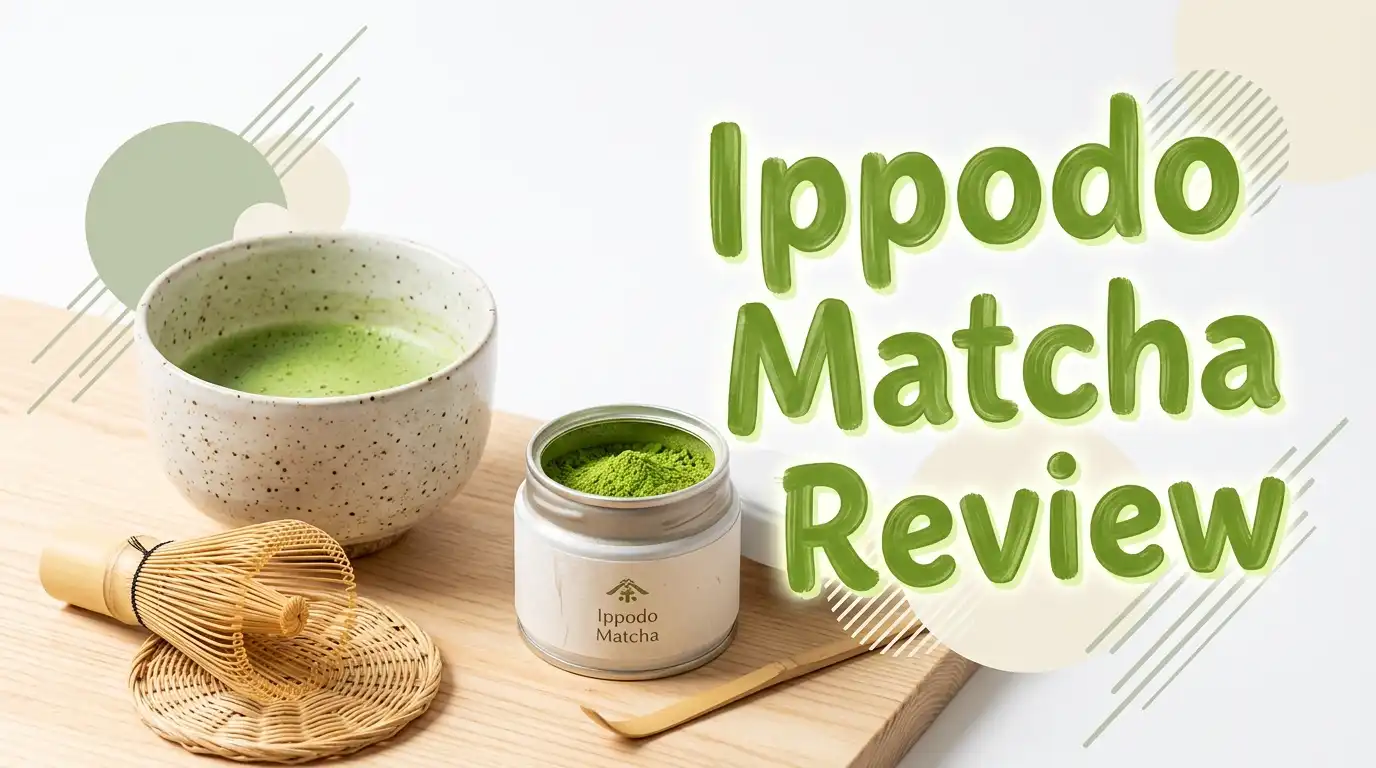
Ippodo Matcha Review 2026: Worth It?
I drink matcha every single morning. So when readers kept asking me about Ippodo, the 300-year-old Kyoto tea house everyone on TikTok won’t stop talking about, I knew I had to put it to the test.
Here’s the honest truth: most matcha sold online is stale, dull, and bitter. If you’ve tried matcha and hated it, that’s probably why.
Ippodo promises something different. Vibrant color, real umami, and that smooth, calm-but-alert energy without the coffee jitters.
So does it actually deliver in 2026? I tasted, whisked, and lattéd my way through their blends to find out. Let’s get into it.
In a Nutshell
- What it is: Stone-ground ceremonial and daily-grade matcha from Uji, Kyoto, made by a tea house founded in 1717.
- Best for: People who want real depth and umami, not a sugary green latte mix. Great for both usucha (thin tea) and koicha (thick tea).
- The standout: Sayaka is the crowd favorite. Smooth, rich, and beginner-friendly with just a hint of bitterness.
- The flavor: Genuinely creamy, savory, and grassy with a long finish. Whisks up clump-free with almost no chalkiness when done right.
- The catch: It’s pricey, it needs proper whisking, and certain blends taste astringent if you brew them too hot or too strong.
- Heads up on buying: Ippodo pulled out of Amazon US in late 2024, so any listings now are resellers. Freshness and authenticity can be hit or miss.

- Refreshingly astringent: Hatsu is a light-bodied matcha with the shortest, sharpest aftertaste in...
- A light, refreshing matcha
Last update on 2026-08-02 / Affiliate links / Images from Amazon Product Advertising API Some of the links on this website are affiliate links, which means that at no additional cost to you, I earn a commission if you click through and make a purchase. I only recommend products and services that I believe will add value to my readers. Thank you for your support!
What Exactly Is Ippodo Matcha
Ippodo is a tea house in Kyoto that has been doing one thing for over 300 years: Japanese green tea, done properly.
Their matcha comes from Uji, the most respected tea region in Japan. The leaves are shade-grown, steamed, dried, and stone-ground into powder.
That slow grinding matters. It’s what gives real matcha its silky texture instead of a gritty, sandy mouthfeel.
What sets Ippodo apart is consistency and freshness. Each blend has a named flavor profile, so you actually know what you’re buying.
This isn’t a wellness-brand “superfood powder.” It’s tea, made by people who treat it like a craft.
The Ippodo Lineup Explained
Ippodo’s range can feel confusing at first, so let me simplify it for you.
For everyday drinking, Ikuyo is the gentle, balanced beginner pick, lovely in lattes and easy to whisk.
Sayaka sits one step up. It’s rich and smooth with more body, and it’s the one I recommend most people start with.
Then there are the premium ceremonial blends like Ummon no Mukashi, built for thick koicha and serious depth.
The differences come down to umami intensity, sweetness, and astringency. Lighter blends are crisp and refreshing. Richer blends are creamy and savory.
My advice? Don’t overthink it. Pick based on whether you want light and clean or deep and bold.
Ippodo Sayaka Matcha
This is the blend most people mean when they say “Ippodo matcha,” and it’s the one I keep repurchasing.
Sayaka lives in the rich category, but it’s still approachable. You get noticeable umami, a creamy body, and just a whisper of bitterness on the finish.
Whisked as usucha, it’s smooth and savory. Pushed into koicha, it turns thick and velvety without going harsh.
I love it with a splash of oat milk, but honestly it’s good enough to drink straight. The color whisks up a deep, glowing green.
Best for: anyone wanting real matcha flavor without the sharp astringency that scares beginners off.
Top 3 Alternatives for Ippodo Sayaka Matcha
Since Ippodo can be hard to get fresh on Amazon right now, here are three excellent ceremonial-grade options that ship reliably.

- ✓ Our Superior Blend Ceremonial Grade Matcha in Larger Packaging - Bigger packaging that offers...
- ✓ Premium Japanese Ceremonial Grade Matcha, Fresh from Japan - Made from shade grown, First...
Last update on 2026-08-02 / Affiliate links / Images from Amazon Product Advertising API Some of the links on this website are affiliate links, which means that at no additional cost to you, I earn a commission if you click through and make a purchase. I only recommend products and services that I believe will add value to my readers. Thank you for your support!
Naoki Matcha Superior Ceremonial Blend

- JAPANESE CEREMONIAL GRADE MATCHA POWDER: Enjoy top-tier ceremonial grade matcha with our traditional...
- PERFECT FOR COFFEE SWITCHERS & WELLNESS ENTHUSIASTS: If you're reducing coffee but don't want to...
Last update on 2026-08-02 / Affiliate links / Images from Amazon Product Advertising API Some of the links on this website are affiliate links, which means that at no additional cost to you, I earn a commission if you click through and make a purchase. I only recommend products and services that I believe will add value to my readers. Thank you for your support!
Jade Leaf Organic Ceremonial Grade Matcha

- CEREMONIAL GRADE FIRST HARVEST. SHADE-GROWN. DIRECT FROM JAPAN. First harvest matcha, picked each...
- CRAFTED FOR TRADITIONAL PREPARATION. BEST ENJOYED WITH WATER. Smooth, naturally sweet, and never...
Last update on 2026-08-02 / Affiliate links / Images from Amazon Product Advertising API Some of the links on this website are affiliate links, which means that at no additional cost to you, I earn a commission if you click through and make a purchase. I only recommend products and services that I believe will add value to my readers. Thank you for your support!
Encha Organic Ceremonial Grade Matcha
Ippodo Ikuyo Matcha
If Sayaka feels like a commitment, Ikuyo is the easygoing option. It’s the blend I hand to friends who are matcha-curious but nervous.
Ikuyo is balanced and mellow. You get soft umami, a touch of sweetness, and very little of the bitterness beginners complain about.
It really shines in lattes. The mild profile holds up beautifully against milk instead of disappearing into it.
It’s also more budget-friendly, which makes it an easy daily drinker rather than a special-occasion tin.
That said, seasoned matcha drinkers might find it a little flat on its own. It’s gentle by design, so don’t expect a big, complex finish.
Best for: latte lovers and total beginners easing into the matcha habit.
How It Tastes Compared to Other Matcha
I’ve tried a lot of matcha, from grocery-store tins to other premium Japanese brands.
Most cheaper matcha tastes bitter, flat, or weirdly fishy. Ippodo simply doesn’t. The flavor is clean, savory, and rounded.
Against brands like Naoki or Encha, Ippodo holds up as more refined and consistent. The umami feels deeper and the finish lasts longer.
Where some Amazon matcha goes chalky and dull, Ippodo stays smooth and bright green.
The honest gap? Other brands are easier to buy and cheaper. Ippodo wins on craft, but you pay for it in both money and effort.
If flavor is your priority, this is top-tier. If convenience matters more, the alternatives are very good too.
The Unboxing and Packaging
I’ll admit it, the packaging is part of the charm. Ippodo’s tins feel intentional, not flashy.
The matcha arrives in a sealed inner bag inside a metal tin. That double layer keeps the powder fresh and protected from light and air.
Opening it, the first thing you notice is the smell. It’s grassy, sweet, and slightly oceanic, the scent of genuinely fresh matcha.
The powder itself is fine and bright green, almost glowing. No dull khaki tones here.
The tin reseals well and looks lovely on a shelf. My one note? Sift the powder first. It clumps a little, like all real matcha, so a quick sift makes whisking effortless.
Honest Downsides and Who Should Skip It
I love this matcha, but I’m not going to pretend it’s perfect for everyone.
First, the price. At roughly $40 to $60 a tin, it’s a genuine splurge, especially if you drink it daily.
Second, it needs effort. Without a proper whisk and decent technique, you’ll get clumps, and the richer blends can taste astringent or chalky if brewed too hot or too concentrated.
Some people on forums describe the New Year and richer blends as sharp or almost chalk-like. That’s real, and it usually comes down to over-brewing.
Skip it if you want a sweet, instant latte mix or a grab-and-go powder. This is tea that asks something of you.
Not for: beginners wanting zero fuss, or anyone on a tight budget.
How to Brew It Properly
- Refreshingly astringent: Hatsu is a light-bodied matcha with the shortest, sharpest aftertaste in...
- A light, refreshing matcha
Last update on 2026-08-02 / Affiliate links / Images from Amazon Product Advertising API Some of the links on this website are affiliate links, which means that at no additional cost to you, I earn a commission if you click through and make a purchase. I only recommend products and services that I believe will add value to my readers. Thank you for your support!
Most people who dislike Ippodo are just brewing it wrong. A few small fixes change everything.
Start by sifting one to two scoops to break up clumps. This step alone removes most of the chalkiness.
Use water around 175°F (80°C), never boiling. Boiling water scorches the leaf and creates that harsh bitterness.
Whisk briskly in a W or M motion with a bamboo chasen until you get a fine, even foam.
For lattes, whisk the matcha with a little hot water first, then add your milk. Pouring milk straight on top just makes it gritty.
Get these basics right and the difference is dramatic. Suddenly it’s smooth, sweet, and creamy instead of sharp.
Is Ippodo Matcha Worth the Money
So, the big question. After weeks of daily cups, here’s my honest verdict.
If you care about flavor and quality, yes. This is some of the best-tasting matcha you can buy, and it genuinely changed how I think about the drink.
The umami, smoothness, and freshness are hard to match at this level. Sayaka in particular earns every bit of its hype.
But it’s not for everyone. The cost and effort are real, and the Amazon buying situation makes freshness less predictable than it should be.
If you’re a casual drinker who wants easy lattes, a quality alternative like Naoki or Encha will keep you very happy for less.
For matcha lovers who want the real thing? Ippodo is absolutely worth it.
Expert FAQs
Is Ippodo matcha ceremonial grade?
Yes, much of their range is ceremonial grade. Blends like Ummon and Sayaka are made for traditional whisking, while Ikuyo leans toward an everyday, latte-friendly grade.
Why is Ippodo matcha so expensive?
It uses premium Uji-grown leaves, traditional stone-grinding, and careful small-batch freshness. You’re paying for 300 years of craft, not marketing. Quality matcha is genuinely labor-intensive to produce.
Can I still buy Ippodo on Amazon?
Sort of. Ippodo officially left Amazon US in late 2024, so current listings are third-party resellers. Buy carefully and check freshness, or order from Ippodo’s own site or a trusted Japan-based shop for guaranteed authenticity.
How much caffeine is in Ippodo matcha?
A typical cup has roughly 35mg of caffeine, less than coffee. Thanks to L-theanine, the energy feels calm and steady, without the crash or jitters most people get from espresso.
Which Ippodo matcha is best for beginners?
Start with Sayaka if you want flavor with a smooth edge, or Ikuyo if you mainly drink lattes. Both are forgiving, balanced, and far less astringent than the heavy ceremonial blends.
Does Ippodo matcha have a strong taste?
It depends on the blend. Ikuyo is mellow and gentle, while richer picks like Sayaka and Ummon are deep and savory with lasting umami. Brew temperature heavily affects how strong it tastes.
If you’ve been on the fence about trying real Japanese matcha, this is the one I’d point you to first. Just go in knowing it rewards a little patience.

Hi, I’m Greta Monroe, and I’m passionate about making every kitchen a place of creativity and efficiency. I’ve spent years exploring and testing kitchen gadgets, tools, and devices to help home cooks find exactly what they need. At ChefKit Blog, I share honest Amazon product reviews and practical insights on kitchen essentials that actually make a difference. From must-have basics to innovative new devices, I break down what works and what doesn’t. My mission is simple: to help you build a kitchen that inspires delicious possibilities every single day.