How to Clean a Flat Top Grill That Has Rust? A Complete Guide
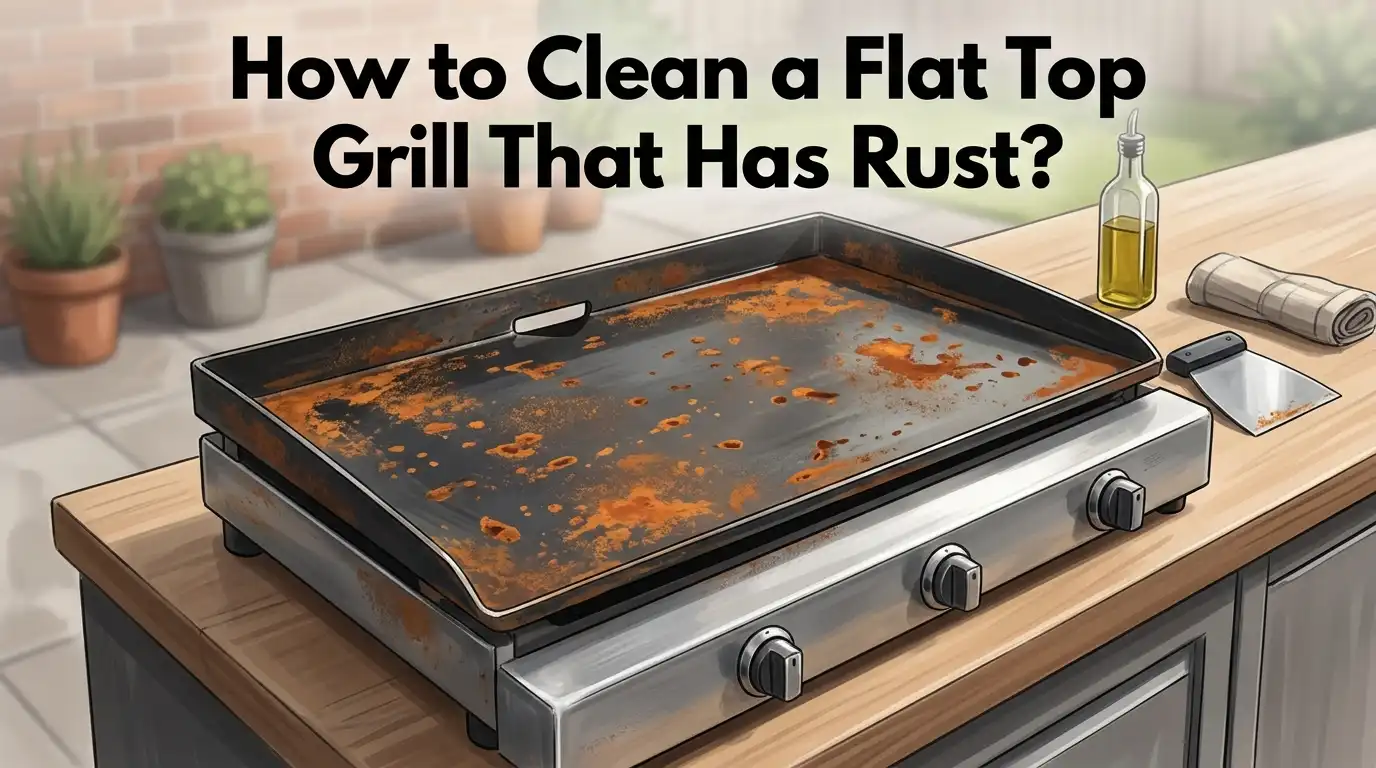
You pulled the cover off your flat top grill, ready to cook, and there it was. Orange and brown patches of rust staring back at you. Your stomach sank. But here is the good news: a rusty flat top grill is not a ruined flat top grill. Rust on a griddle surface is a very common problem, and it is completely fixable at home with a few basic supplies.
Flat top grills use steel cooking surfaces. Steel reacts with moisture and oxygen. That reaction creates iron oxide, which we call rust. Every flat top grill owner will face this issue at some point, especially if the grill sits outdoors. The key is knowing how to remove rust safely and how to prevent it from coming back.
This guide walks you through every method, tool, and tip you need. You will learn why rust forms, how to remove it using different approaches, and how to protect your grill surface for the long run. Whether you have light surface rust or heavy corrosion, this post has a solution for you.
In a Nutshell
- Rust on a flat top grill forms when the steel surface is exposed to moisture and oxygen. This happens most often with outdoor grills that lack proper covers or seasoning. The good news is that rust does not permanently damage your grill in most cases, and you can restore the surface at home.
- You can remove rust using several methods, including scraping with a grill stone, scrubbing with steel wool, or applying a vinegar and water solution. Each method has different strengths depending on how severe the rust is. Light rust may only need oil and a scrub, while heavy rust requires more effort and possibly sandpaper.
- Seasoning your grill after rust removal is the most important step. Without a fresh layer of seasoning, the bare steel will rust again within hours. Apply thin coats of high smoke point oil and heat the grill until the oil bonds with the surface.
- Proper storage and regular maintenance will keep rust from returning. Always apply a thin oil layer after every cook, cover your grill, and store it in a dry location. A grill that stays dry and seasoned will resist rust for months or even years.
- You do not need expensive products or professional help to fix a rusty griddle. Common household items like vinegar, baking soda, cooking oil, and paper towels can do the job. A little time and effort will bring your flat top grill back to cooking condition.
Why Does a Flat Top Grill Rust?
Flat top grills are made from cold rolled steel or cast iron. Both materials contain iron, and iron reacts with water and oxygen through a process called oxidation. This chemical reaction produces iron oxide, commonly known as rust.
Several factors speed up this process. Leaving your grill uncovered outdoors exposes it to rain, dew, and humidity. Leftover food residue and grease can also trap moisture against the surface. A damaged or thin seasoning layer offers less protection, letting moisture reach the bare metal underneath.
Even indoor flat top grills can rust if they are cleaned with water and not dried properly. Any time water sits on an unseasoned steel surface, rust can begin to form within hours. Understanding these causes helps you prevent the problem after you fix it.
What You Need Before You Start Cleaning
Gather your supplies before you begin the rust removal process. Having everything ready will make the job faster and smoother. You will need a metal scraper or putty knife, a grill stone or pumice brick, steel wool or a scouring pad, paper towels or clean cloths, and cooking oil with a high smoke point like canola, flaxseed, or grapeseed oil.
For more stubborn rust, keep white vinegar, coarse salt, and baking soda on hand. You may also want 220 grit sandpaper for heavy corrosion. Heat resistant gloves are a smart addition since some methods require heating the grill.
Avoid using chemical rust removers on cooking surfaces unless they are specifically labeled as food safe. Regular household cleaners can leave harmful residues on the steel. Stick with food safe materials to keep your grill safe for cooking.
Method 1: The Oil and Grill Stone Scrub
This is the most popular and widely recommended method for light to moderate rust. Start by applying 3 to 4 tablespoons of cooking oil directly onto the rusted areas of the grill surface. The oil acts as a lubricant and helps lift the rust as you scrub.
Use a grill stone or pumice brick and scrub the surface in small circular motions. Apply firm, steady pressure. The grill stone is abrasive enough to break through rust but gentle enough to avoid gouging the steel. Wipe the surface with paper towels after scrubbing and inspect your progress.
Repeat this process until the rust is gone and you see clean, bare steel. This method works well for surface level rust that has not deeply pitted the metal. It is also quick, often taking 15 to 30 minutes.
Pros: Simple, fast, uses common supplies, gentle on the steel surface, no chemicals needed.
Cons: May not work for heavy or deep rust, grill stones wear down quickly on large areas, requires some physical effort.
Method 2: The Vinegar and Water Soak
White vinegar is a natural acid that dissolves rust effectively. Mix equal parts white vinegar and water in a spray bottle. Spray the solution generously across the rusted surface and let it sit for 5 to 10 minutes. The acid will begin to break down the iron oxide.
After soaking, sprinkle coarse salt over the surface. The salt acts as a gentle abrasive. Use a cloth, scouring pad, or crumpled aluminum foil to scrub the surface. Work in sections and reapply the vinegar solution as needed.
Rinse the surface thoroughly with clean water once the rust is gone. Dry the grill immediately and completely with paper towels or a clean cloth. Do not leave any moisture on the surface or new rust will form within hours. Proceed to seasoning right away.
Pros: Very effective on moderate to heavy rust, inexpensive, uses common household items, the acid breaks down rust chemically.
Cons: Requires thorough rinsing, vinegar smell can be strong, surface must be dried and seasoned immediately to prevent flash rusting.
Method 3: Baking Soda Paste for Stubborn Spots
Baking soda is a mild abrasive that works well on stubborn rust patches that resist other methods. Make a thick paste by mixing baking soda with a small amount of water. Spread the paste over the rusted areas and let it sit for 15 to 20 minutes.
Scrub the paste into the rust using a scouring pad or steel wool. The gritty texture of baking soda helps lift rust particles from the steel. For extra power, you can apply vinegar first and then follow with baking soda. The fizzing reaction helps loosen rust, though the two do neutralize each other quickly.
Wipe the surface clean with damp paper towels and then dry it completely. This method is especially useful for small, concentrated rust spots rather than full surface coverage. It is also one of the safest options since baking soda is non toxic and food safe.
Pros: Non toxic, food safe, good for targeted spot cleaning, inexpensive and easy to find.
Cons: Less effective on heavy rust across large areas, requires follow up rinsing and drying, slower than mechanical scraping methods.
Method 4: Heat and Scrape for Heavy Rust
For severe rust and thick corrosion, heat is your best friend. Turn on the grill and set it to high heat. Let it run for 15 to 20 minutes. The heat will loosen the bond between the rust and the steel surface, making it easier to scrape off.
Once the grill is hot, use a metal scraper or spatula to scrape the rust off the surface. Work in long, firm strokes. The rust should come off in flakes and powder. Be careful with this method and always wear heat resistant gloves.
After scraping, turn off the grill and let it cool slightly. Then apply oil and use a grill stone to smooth the surface. This combination of heat, scraping, and stone scrubbing handles even the worst rust cases. Finish by wiping the surface clean and moving on to seasoning.
Pros: Very effective on heavy and deep rust, loosens stubborn corrosion quickly, great for full surface restoration.
Cons: Requires caution due to high heat, needs heat resistant gloves, produces smoke and debris, takes longer overall.
Method 5: Sandpaper for Deep Pitting
If your flat top grill has deep rust pitting that other methods cannot fully remove, 220 grit sandpaper provides the extra abrasion you need. This method strips the surface down to bare metal and gives you a fresh start.
Wet the sandpaper slightly and sand the rusted areas in even, consistent strokes. Work with the grain of the steel if possible. Apply moderate pressure and check your progress frequently. You want to remove rust without creating uneven dips in the surface.
Once you reach clean, silver colored steel, wipe the entire surface with a damp cloth followed by a dry cloth. This method removes all existing seasoning along with the rust, so you will need to do a full re seasoning after sanding. Use this approach only for severe cases where other options have failed.
Pros: Removes the deepest rust and pitting, gives a completely fresh surface, thorough and definitive.
Cons: Removes all seasoning, can scratch the surface if done too aggressively, time consuming for large grill surfaces, requires a full re seasoning afterward.
How to Re Season Your Flat Top Grill After Rust Removal
Re seasoning is the most critical step after removing rust. Without it, your clean steel surface will start rusting again almost immediately. Seasoning creates a protective, non stick layer of polymerized oil that bonds with the steel.
Start by heating the grill on high until it begins to smoke slightly. Apply a very thin layer of high smoke point oil using a cloth or paper towels. Spread the oil evenly across the entire surface, including the edges and corners. Let the oil heat and smoke until the smoking stops. This means the oil has polymerized and bonded with the steel.
Repeat this process 3 to 5 times. Each coat adds another layer of protection. The surface should gradually turn from silver to dark brown or black. A well seasoned grill will have a smooth, dark, slightly glossy finish. This process usually takes 30 to 60 minutes but provides long lasting protection.
Best Oils for Seasoning a Flat Top Grill
Not all oils perform equally for seasoning. You want an oil with a high smoke point and the ability to form a hard, durable polymer layer. Flaxseed oil is popular because it creates a very hard finish, though it can sometimes flake if applied too thickly.
Canola oil and grapeseed oil are excellent all around choices. They have high smoke points, are affordable, and create strong seasoning layers. Vegetable oil and shortening also work well and are easy to find in any grocery store.
Avoid olive oil and butter for seasoning. Both have low smoke points and can leave a sticky, gummy residue instead of a hard polymer. Save those for cooking after your grill is properly seasoned. The key is to apply very thin layers. Thick oil coats do not polymerize properly and can become tacky or peel off later.
How to Prevent Rust from Coming Back
Prevention is easier than restoration. After every cook, clean the grill surface while it is still warm. Scrape off food debris with a metal scraper and wipe the surface with a lightly oiled cloth or paper towel. This maintains the seasoning layer and leaves a protective oil coating.
Always cover your grill after it cools down. A fitted grill cover keeps rain, dew, and humidity away from the steel surface. If you live in a humid climate, consider storing your grill in a garage or shed. Some grill owners also place a moisture absorbing packet under the cover.
Never leave water sitting on the grill surface. If you use water during cleaning, dry the surface immediately and apply a light coat of oil. Check on your grill every few weeks, even during the off season, to catch any early signs of rust before they spread.
Common Mistakes to Avoid During Rust Removal
One of the biggest mistakes is using harsh chemical cleaners on the cooking surface. Products like oven cleaners or industrial rust removers can leave toxic residues that are unsafe for food preparation. Stick with food safe materials like vinegar, baking soda, salt, and cooking oil.
Another common error is not drying the surface completely after cleaning. Even a thin film of water left on bare steel can cause flash rust within minutes. Always towel dry the surface and follow up with oil immediately.
Skipping the re seasoning step is also a frequent mistake. Some people scrub off the rust and assume the job is done. Without seasoning, the bare steel is even more vulnerable to rust than before. Take the time to apply multiple thin oil coats and heat them until they polymerize.
How Often Should You Clean and Season Your Flat Top Grill?
A light cleaning should happen after every single cook. Scrape the surface, wipe it down, and apply a thin coat of oil. This routine takes only 5 to 10 minutes and keeps your grill in great shape between sessions.
A deeper cleaning and re seasoning should happen every few months or whenever you notice the seasoning layer becoming thin, uneven, or sticky. If food starts sticking more than usual, it is a sign that the seasoning needs attention.
During the off season, inspect your grill at least once a month. Look for any early rust spots. If you catch them early, a quick oil and scrub will fix the problem in minutes. Consistent maintenance is the single best defense against rust and will extend the life of your flat top grill by many years.
Is Rust on a Flat Top Grill Dangerous?
Light surface rust on a flat top grill is generally not dangerous. According to the USDA, ingesting small amounts of iron oxide is not harmful to most people. However, you should still remove rust before cooking because it affects food flavor and indicates that the protective seasoning layer is compromised.
Heavy rust can create a rough, pitted surface that traps food particles and bacteria. This makes the grill harder to clean and less sanitary over time. A deeply corroded surface may also flake rust particles into your food, which is unappetizing even if not toxic.
The real risk is ignoring rust and letting it spread. If left unchecked, rust can eat through thinner steel and cause structural damage to the grill top. Catching and treating rust early protects both your health and your investment in the grill.
Can I use a wire brush to remove rust from a flat top grill?
Yes, you can use a wire brush for initial rust removal. However, wire brushes can leave behind small metal bristles that pose a safety risk if they get into your food. A grill stone or steel wool pad is a safer and equally effective alternative. If you do use a wire brush, always wipe the surface thoroughly with a damp cloth afterward to remove any loose bristles.
How long does it take to remove rust from a flat top grill?
The time depends on how severe the rust is. Light surface rust can be cleaned in 15 to 30 minutes. Moderate rust with the vinegar soak method takes about 30 to 45 minutes. Heavy corrosion that requires sanding and full restoration can take 1 to 2 hours. Re seasoning adds another 30 to 60 minutes to any method.
Can I cook on a flat top grill that has a little rust?
It is best to remove rust before cooking, even if it is minor. Small amounts of rust are not toxic, but they affect the taste of your food and indicate that the seasoning is damaged. A quick scrub with oil and a grill stone followed by a light re seasoning will fix minor rust in just a few minutes and give you a much better cooking surface.
Will vinegar damage my flat top grill surface?
Vinegar will not damage steel when used properly. Do not leave vinegar on the surface for more than 10 to 15 minutes. Extended exposure to acid can etch the steel. Always rinse the surface thoroughly after using vinegar, dry it completely, and apply oil right away. Used correctly, vinegar is one of the safest and most effective rust removal solutions.
How do I know if my flat top grill is too rusted to save?
Most rusted flat top grills can be restored. If the rust has eaten completely through the steel or created holes, the grill top may need to be replaced. However, even heavy surface rust and deep pitting can usually be sanded smooth and re seasoned. If the steel still feels solid and intact under the rust, your grill is worth restoring.
What is the best oil to use after cleaning rust off a flat top grill?
Canola oil, grapeseed oil, and flaxseed oil are the top choices for seasoning after rust removal. They have high smoke points and form strong, durable polymer layers. Apply each coat very thinly and heat until the oil stops smoking. Repeat 3 to 5 times for a solid protective layer that resists future rust.

Hi, I’m Greta Monroe, and I’m passionate about making every kitchen a place of creativity and efficiency. I’ve spent years exploring and testing kitchen gadgets, tools, and devices to help home cooks find exactly what they need. At ChefKit Blog, I share honest Amazon product reviews and practical insights on kitchen essentials that actually make a difference. From must-have basics to innovative new devices, I break down what works and what doesn’t. My mission is simple: to help you build a kitchen that inspires delicious possibilities every single day.