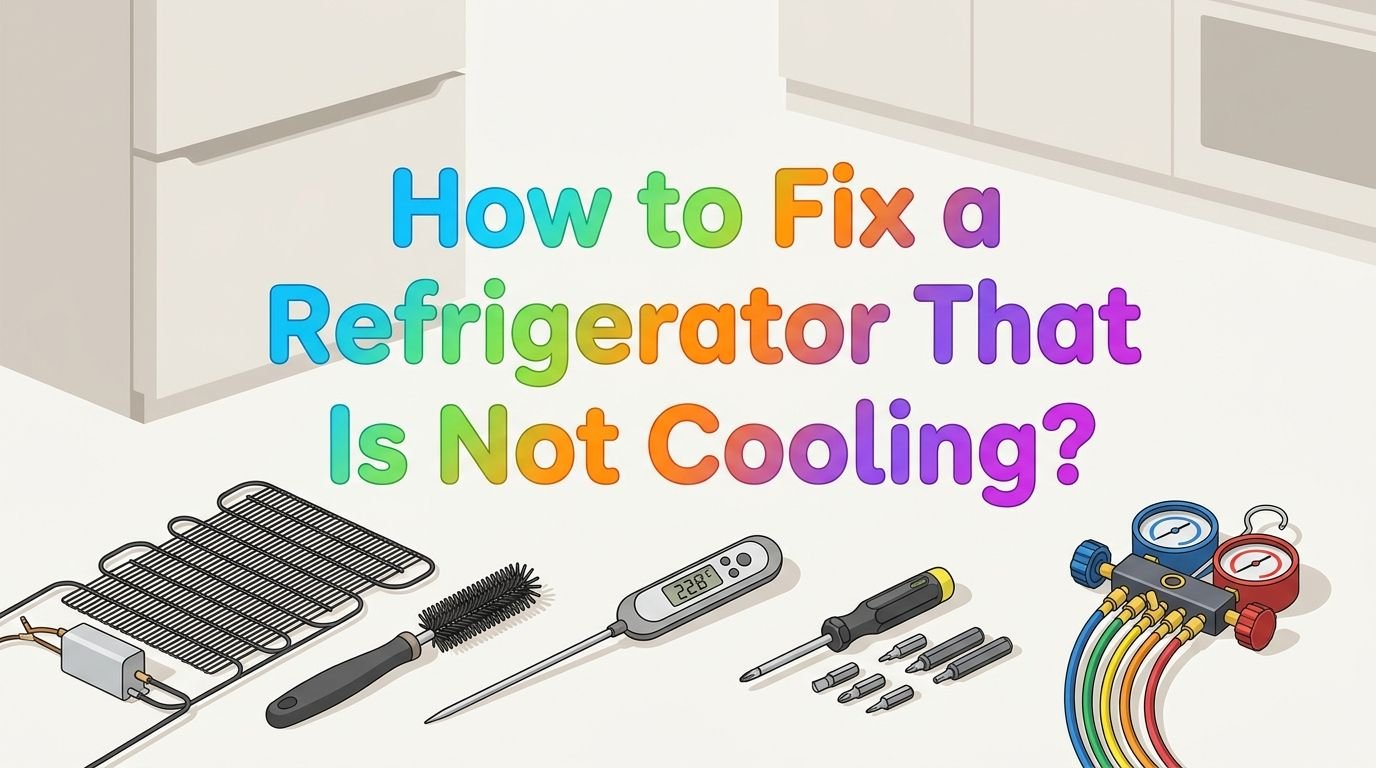
How to Fix a Refrigerator That Is Not Cooling? 12 Easy Solutions
A warm refrigerator is every homeowner’s nightmare. You open the door, and the air feels lukewarm. Your food starts to smell off. You panic and wonder if you need to buy a brand new appliance. But hold on.
Most refrigerator cooling problems have simple fixes you can do yourself in under an hour. A refrigerator that stops cooling does not always mean a broken compressor or a dead unit. In many cases, the issue comes down to something as basic as a dirty coil, a blocked vent, or a thermostat that got bumped to the wrong setting.
This guide walks you through every common cause and gives you clear, step by step instructions to get your fridge cold again. Whether your fridge is completely warm or just not cold enough, you will find a practical fix below.
Key Takeaways
- Check the basics first. Before you assume the worst, confirm your refrigerator is plugged in, receiving power, and set to the correct temperature. A tripped breaker or a thermostat accidentally changed by a child can cause the entire unit to stop cooling. These quick checks take less than two minutes and solve the problem more often than people expect.
- Dirty condenser coils are a top culprit. Dust, pet hair, and grease build up on the condenser coils over time. This buildup forces the compressor to work harder and reduces cooling performance. Cleaning the coils every two to three months can prevent most cooling issues before they start.
- Blocked air vents cause uneven or no cooling. Food items pushed against the internal vents block cold air from circulating inside the fridge. A quick reorganization of your shelves can restore proper airflow and bring temperatures back to normal.
- Worn door gaskets leak cold air. The rubber seals around your refrigerator door keep cold air locked inside. If these seals are cracked, dirty, or warped, your fridge loses cold air constantly and cannot maintain the right temperature. A simple cleaning or replacement fixes this fast.
- A reset can solve temporary glitches. Unplugging your refrigerator for five to ten minutes and then plugging it back in can reset the system and clear minor electronic faults. This works especially well after a power outage or a sudden temperature spike.
- Know when to call a professional. If you have checked all the easy fixes and your fridge still will not cool, the problem may involve the compressor, evaporator fan, or circuit board. These repairs require a trained technician and specialized tools.
Confirm the Power Supply Is Working
The simplest explanation is often the right one. Your refrigerator may have lost power. Check that the plug is firmly seated in the wall outlet. Look inside the fridge to see if the interior light turns on when you open the door.
If the light is off, go to your home’s electrical panel and check for a tripped circuit breaker. Flip the breaker off and then back on. You should also test the outlet with another device, like a phone charger, to confirm it delivers power.
Loose plugs can gradually slip out of older outlets. This is especially common if the fridge vibrates during operation. If your outlet feels loose, consider having an electrician replace it.
Pros: This fix costs nothing and takes under a minute. Cons: If the outlet or wiring is faulty, you will need an electrician.
Adjust the Thermostat Settings
Your refrigerator should stay between 32°F and 40°F for safe food storage. Sometimes the thermostat gets bumped accidentally. A child, a large container, or even your arm can shift the dial or digital setting without you noticing.
Locate the temperature control inside your fridge. On older models, this is usually a numbered dial. On newer models, it may be a digital panel on the door or interior wall. Set the temperature to the middle range or the manufacturer’s recommended setting.
After adjusting the thermostat, give the refrigerator up to 24 hours to reach the new temperature. Do not keep opening the door during this time, as each opening lets warm air rush in.
Pros: This is a fast, free fix that anyone can do. Cons: It takes up to a full day to see results, so you need patience.
Clean the Condenser Coils
Condenser coils release heat from inside your refrigerator. They are usually located on the back of the unit or along the bottom behind a kick plate. Over time, dust, pet fur, and kitchen grease coat these coils and reduce their ability to release heat.
Unplug the refrigerator first. Pull it away from the wall or remove the bottom grille to access the coils. Use a vacuum with a brush attachment to remove loose debris. Then use a coil cleaning brush to reach between the coil fins and remove stubborn buildup.
Plug the refrigerator back in after cleaning. You should clean these coils every two to three months, especially if you have pets or a dusty kitchen.
Pros: Dramatically improves cooling performance and extends the life of your compressor. Cons: Requires moving the fridge, which can be difficult for heavy units.
Clear Blocked Air Vents
Cold air travels from the freezer to the refrigerator compartment through internal vents. If food containers, bags, or ice buildup block these vents, cold air cannot circulate properly. This leads to a warm fridge even while the freezer stays cold.
Open both the freezer and the refrigerator. Look for the vents, which are usually located on the back wall of the freezer or the upper area of the fridge compartment. Remove any items pressed directly against them.
If you notice ice or frost covering the vent, your defrost system may have a problem. In that case, unplug the fridge for 24 hours with the doors open to allow a full manual defrost.
Pros: Quick fix that requires no tools or cost. Cons: If the vent is frozen over, manual defrosting takes a full day and requires temporary food storage elsewhere.
Inspect and Clean the Door Gaskets
The rubber gasket around your refrigerator door creates an airtight seal that keeps cold air inside. Dirty, cracked, or warped gaskets allow cold air to escape constantly. Your fridge then runs overtime trying to compensate, and it often fails to keep up.
Run your finger along the entire gasket. Feel for tears, gaps, or spots where the rubber has hardened. To test the seal, close the door on a dollar bill. If you can slide the bill out easily, the gasket is not sealing properly.
Clean gaskets with warm, soapy water and a soft cloth. Wipe away food residue, crumbs, and sticky spots. If cleaning does not fix the seal, you will need to order a replacement gasket for your specific refrigerator model.
Pros: Cleaning is free and often restores the seal immediately. Cons: Replacement gaskets cost money, and installation can be tricky on some models.
Ensure Proper Clearance Around the Refrigerator
Your refrigerator generates heat during the cooling process. It needs space around it to release that heat effectively. Most manufacturers recommend at least half an inch of clearance on the sides and one inch behind the unit.
If your fridge is pushed tightly against a wall or wedged between cabinets with no room to breathe, the heat has nowhere to go. This forces the compressor to work harder and reduces cooling efficiency.
Pull your refrigerator forward slightly and check the gap behind it. Make sure nothing is stored on top of the fridge that might block airflow from above. Proper spacing is one of the most overlooked causes of cooling problems.
Pros: Free fix that only requires repositioning the appliance. Cons: Kitchen layout may limit how much space you can create.
Level Your Refrigerator
A refrigerator that is not level can have trouble maintaining proper temperatures. An uneven unit may prevent the doors from closing completely, which lets cold air leak out. It can also affect the flow of refrigerant inside the system.
Place a standard level on top of your refrigerator. Check it from side to side and from front to back. Most refrigerators have adjustable feet or rollers on the bottom that you can turn with a wrench or by hand.
The front of the refrigerator should sit slightly higher than the back. This helps the doors swing closed on their own and improves the gasket seal. Refer to your owner’s manual for the exact leveling specifications for your model.
Pros: Simple adjustment that also helps doors close properly. Cons: Adjusting the feet on a heavy fridge can be physically demanding.
Reset Your Refrigerator
Electronic glitches can sometimes cause a refrigerator to stop cooling even though all parts are working. A simple reset often clears these temporary faults. This is especially useful after a power outage or a surge.
Unplug your refrigerator from the wall outlet. Wait five to ten minutes. Plug it back in and set the thermostat to your desired temperature. The fridge may take up to 24 hours to stabilize at the correct temperature after a reset.
If your model has a reset button, check the owner’s manual for its location and instructions. Some modern refrigerators also allow you to reset settings through a digital control panel.
Pros: Takes no special tools or skills and resolves many electronic issues. Cons: You lose cooling during the reset period, which may affect perishable food.
Reorganize the Food Inside Your Fridge
An overstuffed refrigerator cannot cool properly. Too many items crammed together block the internal airflow that distributes cold air evenly throughout the compartment. This leads to warm spots where food spoils faster.
Leave space between items so air can flow freely. Avoid stacking containers directly against the back wall or over the air vents. Keep the fridge about three quarters full for the best balance of thermal mass and airflow.
Also check that nothing warm has been placed inside recently. Hot leftovers raise the internal temperature quickly. Always let food cool to room temperature before putting it in the refrigerator.
Pros: Free, easy, and improves food freshness overall. Cons: May require discarding excess food or finding alternative storage.
Check the Evaporator Fan
The evaporator fan pushes cold air from the freezer into the refrigerator compartment. If this fan stops working, the freezer may stay cold while the fridge warms up. You can usually hear the fan running when you open the freezer door.
Open the freezer and listen for the hum of the fan. If you hear nothing, or if the fan makes a loud grinding noise, the fan motor may have failed. On many models, the fan is located behind a panel on the back wall of the freezer.
Replacing an evaporator fan motor is a moderate DIY project. You will need to remove the panel, disconnect the old motor, and install the new one. However, if you are not comfortable with this type of repair, call a professional.
Pros: Replacing the fan motor yourself saves significant labor costs. Cons: Requires some technical skill and the correct replacement part for your model.
Examine the Condenser Fan
The condenser fan sits near the compressor at the back or bottom of the refrigerator. Its job is to cool the condenser coils and prevent the compressor from overheating. If this fan fails, the refrigerator loses cooling capacity fast.
Unplug the fridge and locate the condenser fan near the compressor. Check if the fan blade spins freely by turning it with your hand. If it feels stiff or stuck, debris may be blocking it. Clean the area around the fan and remove any obstructions.
If the blade spins freely but the fan does not run when the fridge is plugged in, the fan motor likely needs replacement. This is a job many handy homeowners can handle, but a technician is a safer option if you are unsure.
Pros: Cleaning debris from the fan is a quick fix. Cons: A failed fan motor requires a replacement part and some electrical knowledge.
Know When to Call a Professional Technician
Some refrigerator problems go beyond what a homeowner can safely fix. A failed compressor, a faulty circuit board, or a refrigerant leak all require professional diagnosis and repair. Attempting these fixes yourself can cause further damage or void your warranty.
Call a technician if you hear the compressor running nonstop, if the fridge makes loud clicking or buzzing sounds, or if none of the DIY fixes in this guide solve the problem. A professional can test the electrical components with specialized tools and pinpoint the exact failure.
Get quotes from at least two or three repair services before committing. Compare the repair cost against the price of a new refrigerator, especially if your unit is more than ten years old.
Pros: Professional repair ensures the job is done correctly and safely. Cons: Service calls and parts can be expensive, sometimes costing several hundred dollars.
Prevent Future Cooling Problems with Regular Maintenance
Prevention saves you time, money, and spoiled food. A few simple habits keep your refrigerator running at peak performance for years. Build a short maintenance routine and stick to it.
Clean the condenser coils every two to three months. Wipe the door gaskets monthly with warm soapy water. Avoid overloading the fridge, and keep items away from internal vents. Check the thermostat setting periodically to make sure it has not been bumped.
Keep the area around and behind the fridge clean and free of dust. Make sure the unit stays level, especially after moving it for cleaning. Replace water filters on schedule if your model has a built in dispenser. These small steps add up to reliable cooling all year long.
Pros: Routine maintenance is inexpensive and prevents most common issues. Cons: Requires consistent effort and a bit of time each month.
Frequently Asked Questions
What is the first thing to check when a refrigerator stops cooling?
Check that the refrigerator is plugged in and receiving power. Verify that the circuit breaker has not tripped. Then confirm the thermostat is set to a temperature between 32°F and 40°F. These three basic checks eliminate the most common causes of a warm refrigerator before you move on to more involved troubleshooting steps.
Why is my fridge not cold but the freezer works fine?
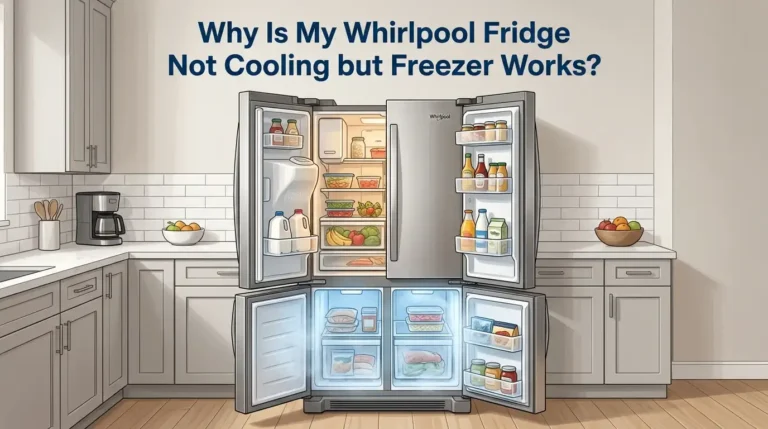
This usually means the evaporator fan has stopped working or the air vent between the freezer and fridge is blocked. Cold air is produced in the freezer and pushed into the fridge by the fan. If the fan fails or ice blocks the vent, cold air stays in the freezer while the fridge warms up. Check both the fan and the vent for issues.
How long should I wait after resetting my refrigerator?
After unplugging and plugging your refrigerator back in, allow up to 24 hours for the unit to reach the correct temperature. Avoid opening the door frequently during this period. If the fridge has not cooled down after a full day, the problem likely goes beyond a simple electronic glitch and needs further investigation.
Can a dirty refrigerator cause cooling problems?
Yes. Dirty condenser coils reduce the refrigerator’s ability to release heat. Dirty door gaskets prevent a proper seal, letting cold air escape. Food debris near vents can block airflow inside the compartment. Regular cleaning of these three areas prevents most cooling failures.
How much does it cost to repair a refrigerator that is not cooling?
Minor fixes like cleaning coils or replacing a gasket cost very little. Replacing an evaporator fan motor typically ranges from $100 to $250 if done professionally. Compressor replacement is the most expensive repair and can cost $300 to $600 or more, including parts and labor. If the repair cost exceeds half the price of a new unit, replacement is often the better choice.
Should I repair or replace an old refrigerator that stopped cooling?
Most refrigerators last 10 to 15 years. If your unit is within that range and the repair involves a major component like the compressor or circuit board, replacement may be more cost effective. For newer fridges with minor issues, repair is almost always the smarter option. Compare repair estimates to the cost of a new appliance before making your decision.

Hi, I’m Greta Monroe, and I’m passionate about making every kitchen a place of creativity and efficiency. I’ve spent years exploring and testing kitchen gadgets, tools, and devices to help home cooks find exactly what they need. At ChefKit Blog, I share honest Amazon product reviews and practical insights on kitchen essentials that actually make a difference. From must-have basics to innovative new devices, I break down what works and what doesn’t. My mission is simple: to help you build a kitchen that inspires delicious possibilities every single day.