SMEG Fully Automatic Coffee Machine Review: Worth Your Money?
Picture this: you walk into your kitchen every morning and see a coffee machine that looks like it belongs in a vintage Italian café from the 1950s.
That’s the SMEG fully automatic coffee machine for you. This stylish coffee maker has been turning heads on kitchen counters everywhere, but does it deliver more than just good looks?
The truth is, the SMEG fully automatic coffee machine sits in a unique space between affordable bean-to-cup machines and premium espresso makers.
Key Takeaways:
- Premium Price Point: These machines typically cost between $650 to $800 depending on the model. The BCC01 (without milk frother) starts around $650, while the BCC02 (with steam wand) can go up to $800. This positions SMEG in the luxury category of home coffee machines.
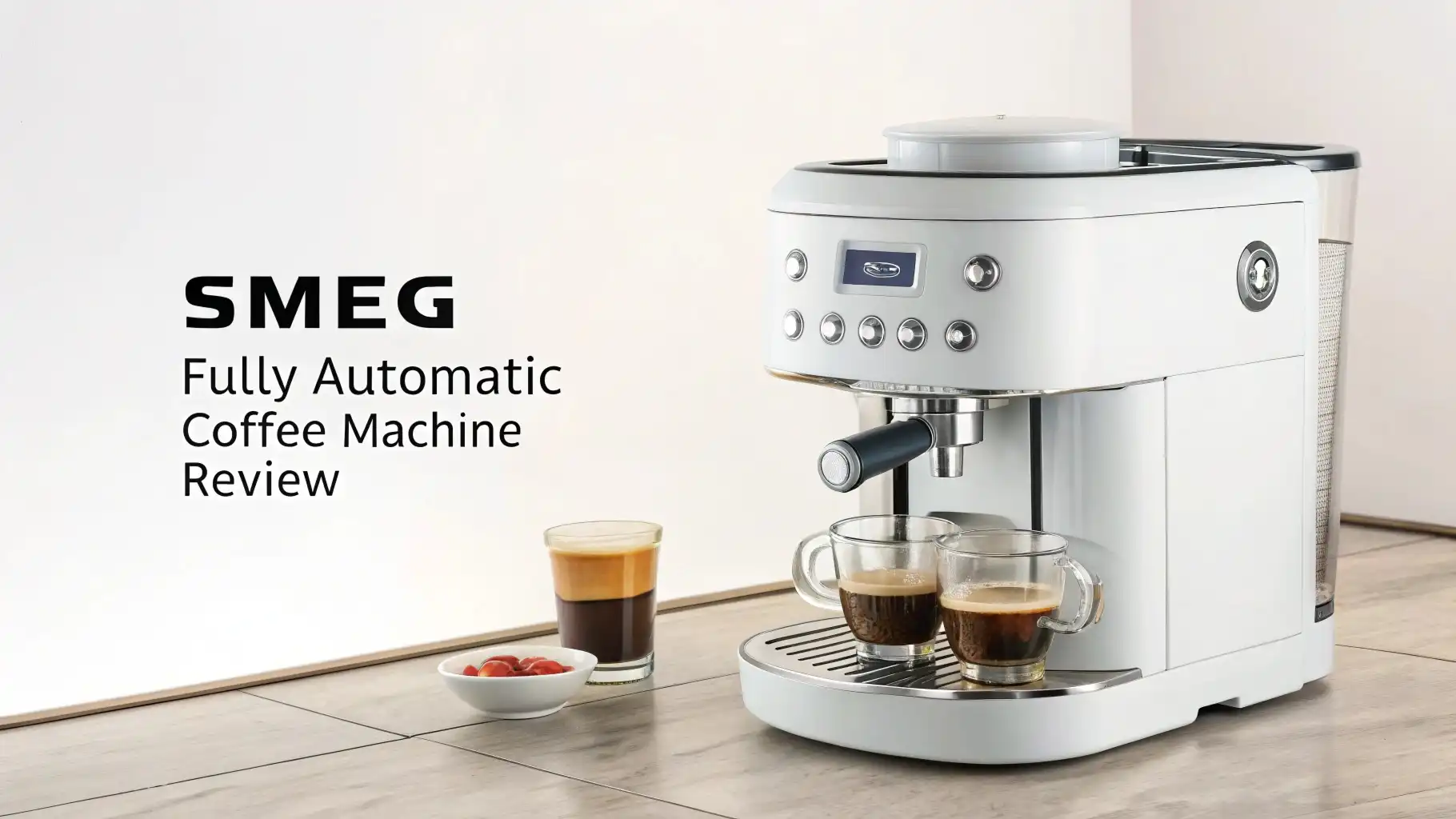
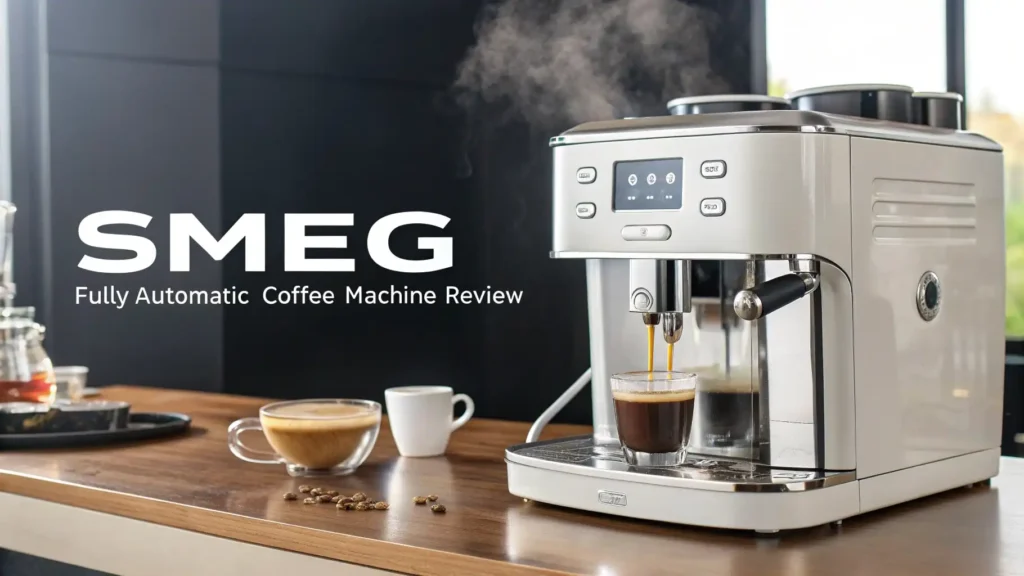
- Retro Design Excellence: The standout feature is undoubtedly the aesthetic appeal. Available in multiple colors including classic red, matte black, and taupe, these machines feature the iconic 1950s rounded design with brushed aluminum front panels that SMEG is famous for.
- Built-In Burr Grinder: All SMEG fully automatic models come with a stainless steel conical burr grinder that offers five grind settings. This means you can grind fresh beans for every cup, which significantly improves flavor quality compared to pre-ground coffee.
- Simple Operation: Unlike complicated espresso machines with dozens of buttons, SMEG keeps things straightforward with just four main buttons that control eight different functions. This makes it perfect for coffee lovers who want quality without complexity.
- Limited Customization: While the machine makes excellent espresso, it doesn’t offer extensive customization options like temperature control or advanced brewing profiles. You get what you get, though you can adjust the volume of each shot to your preference.
- Quick Performance: Thanks to thermoblock heating technology, the machine heats up in just seconds rather than the 10-15 minutes traditional boilers require. You can go from pressing the power button to enjoying fresh espresso in under two minutes.

SMEG Fully Automatic Coffee Machine BCC02: The Complete Package
The SMEG BCC02 represents the top-tier model in their fully automatic lineup. This machine comes equipped with everything you need to create café-quality drinks at home.
The most significant feature is the integrated steam wand that allows you to froth milk for lattes, cappuccinos, and other milk-based beverages.
This model features the signature SMEG design with a brushed metal front panel and smooth rounded corners that make it look more like a retro radio than a coffee machine.
The housing combines durable plastic with stainless steel components, creating a machine that feels solid without being too heavy. At 25.1 pounds, it’s substantial enough to stay put on your counter but not so heavy that moving it becomes a workout.
The BCC02 includes a 1-liter water reservoir that slides out from the back, making refills easy. The stainless steel burr grinder holds 5.3 ounces of beans, which is enough for several days of coffee if you’re brewing for one or two people.
SMEG BCC11 Fully Automatic Espresso Machine: The Modern Upgrade

The newer BCC11 model represents SMEG’s evolution in the automatic coffee machine market. This matte black version comes with three preset buttons specifically designed for espresso, cappuccino, and regular coffee.
The adjustable grinder accommodates whole beans, giving you complete control over your grind size for different brewing styles.
What sets the BCC11 apart is its more intuitive interface compared to earlier models. The preset buttons eliminate guesswork, making it even easier to get consistent results every time.
The matte black finish gives it a more contemporary look while maintaining that classic SMEG aesthetic. This model is perfect for people who want a slightly more modern interpretation of the retro design.
SMEG BCC12 Fully Automatic Coffee Machine: Innovation Meets Style

The BCC12 introduces some exciting innovations to the SMEG lineup, most notably the Titan Renew Water Tank. This advanced water reservoir system helps maintain water freshness and quality, which directly impacts the taste of your coffee. The whole bean grinder continues the tradition of fresh grinding for every cup.
This black model combines all the beloved features of SMEG machines with enhanced water technology. The steam function allows for milk frothing, though you’ll need to purchase a milk pitcher separately (a common complaint about SMEG machines at this price point).
The BCC12 maintains the same user-friendly approach as other SMEG models but adds that extra layer of water quality management. If you’re someone who cares deeply about every variable affecting your coffee’s taste, the Titan Renew system is worth considering.
Top 3 Alternatives for SMEG Fully Automatic Coffee Machine


Understanding the SMEG Design Philosophy
SMEG has built its reputation on creating appliances that look like art pieces. The company originated in Italy in 1948, and that post-war optimism and futuristic vision is embedded in every product they make. When you buy a SMEG appliance, you’re not just buying functionality. You’re buying a piece of design history.
The fully automatic coffee machines carry this philosophy forward. Every curve, every button placement, every color choice reflects careful design consideration. The rounded edges aren’t just for aesthetics. They create a softer, more approachable appearance that fits beautifully in both modern and traditional kitchens.
The brushed aluminum front panel serves multiple purposes. It looks premium, yes, but it’s also highly durable and easy to clean. Unlike glossy finishes that show every fingerprint, the brushed metal maintains its appearance with minimal maintenance.
The plastic housing might sound like a downgrade, but it actually helps keep the machine’s weight manageable while maintaining structural integrity.
Breaking Down the Built-In Burr Grinder
The stainless steel conical burr grinder is one of the most important features of any SMEG fully automatic machine. Burr grinders are vastly superior to blade grinders because they create uniform particle size. This consistency is crucial for proper extraction during the brewing process.
The five grind settings give you flexibility without overwhelming you with choices. For most espresso drinks, you’ll want to use the finest setting, which creates that perfect consistency for rich, full-bodied espresso. If you prefer longer coffee drinks like americanos, you might experiment with slightly coarser grinds.
One limitation worth noting is that SMEG machines don’t include a pre-ground coffee bypass chute. This means you can’t use pre-ground coffee, even for decaf.
While I generally advocate for fresh grinding, this does limit flexibility for people who like to keep decaf on hand or want to try different roasts without committing to a full hopper.
The grinder operates quietly compared to many competitors. If you’re making coffee early in the morning while others are still sleeping, you’ll appreciate how SMEG has managed to soundproof the grinding mechanism effectively.
Mastering the User Interface and Controls
SMEG keeps the control panel refreshingly simple. Four main buttons control everything, with each button serving dual purposes depending on which menu mode you’re in.
The main functions include hot water, espresso, ristretto, and long coffee. You can also select “light” versions of the coffee options, which essentially brew at half strength.
Five indicator lights keep you informed about the machine’s status. These include alerts for the drip tray level, descaling needs, empty bean hopper, and general operational status. The lights are clear and easy to understand, even before your first cup of coffee kicks in.
One clever feature is the customizable shot volume. While the machine comes with preset volumes for each drink type, you can reprogram these to match your preferences. Simply hold the desired button for three seconds during brewing, and the machine will remember your custom volume for next time.
The thermoblock heating system deserves special mention. Traditional espresso machines with boilers can take 10-15 minutes to reach brewing temperature.
The SMEG’s thermoblock heats water on demand as it passes through, meaning you’re ready to brew in just seconds. This is a game-changer for busy mornings when you don’t have time to wait.
Comparing Milk Frothing Capabilities
The difference between the BCC01 and BCC02 models comes down to milk frothing. The BCC01 has no milk frothing capability whatsoever. It’s designed for black coffee enthusiasts who appreciate espresso, americanos, and ristrettos without milk additions.
The BCC02 includes a manual steam wand positioned beside the coffee dispenser. This steam wand works like those on semi-automatic espresso machines.
You’ll need to manually steam and froth your milk, which requires some technique and practice. The learning curve isn’t steep, but it does take a few attempts to master the swirling motion and proper positioning.
One frustration many users report is that SMEG doesn’t include a milk pitcher with the BCC02 despite its premium price point. You’ll need to purchase a stainless steel milk pitcher separately, which feels like an oversight at this price level.
Once you have the proper equipment, the steam wand produces excellent microfoam suitable for latte art.
The steam wand adjusts outward to accommodate different cup sizes, which is a thoughtful design touch. Cleaning the steam wand is straightforward. Just wipe it down after each use and purge any remaining milk from the system.
Evaluating Coffee Quality and Taste
The most important question is whether SMEG machines actually make good coffee. The answer is a qualified yes. These machines produce solid, well-extracted espresso with good crema and balanced flavor. The 19-bar pressure pump creates proper extraction conditions, and the conical burr grinder ensures consistent particle size.
Testing with various coffee beans revealed that SMEG machines handle medium to dark roasts particularly well. The machine highlights chocolate, caramel, and nutty notes beautifully.
Lighter roasts with more delicate flavor profiles don’t fare quite as well, as the machine doesn’t offer the temperature control needed to properly extract these complex beans.
The ristretto function produces concentrated, intense shots that showcase the coffee’s boldest characteristics. Long coffee mode creates something closer to an americano, though true coffee nerds might find it slightly underwhelming compared to separately pulled espresso shots diluted with hot water.
Temperature consistency is good but not exceptional. The coffee comes out hot enough for most people’s preferences, though it’s not adjustable if you like your coffee either cooler or hotter. The lack of temperature control is one area where SMEG’s simplicity works against it.
Maintenance, Cleaning, and Descaling Requirements
Automatic coffee machines require regular maintenance to keep performing well. SMEG makes this process relatively painless.
The removable brew group is the star of the show here. Unlike many fully automatic machines where the brew group is permanently installed, SMEG’s design allows you to remove, rinse, and replace the brew group easily.
Daily maintenance involves emptying the drip tray and coffee grounds container, wiping down the exterior, and rinsing the brew group. These tasks take just a few minutes and keep the machine running smoothly. The machine includes indicators that tell you when the drip tray and grounds container need attention.
Weekly maintenance should include a more thorough cleaning of the water reservoir and bean hopper. Remove these components, wash them with mild soap and water, dry completely, and reinstall. This prevents buildup of oils and residues that can affect taste.
Descaling frequency depends on your water hardness. SMEG includes a water hardness test strip to help you determine your local water conditions.
Hard water requires descaling every 2-3 months, while soft water might only need descaling twice yearly. The machine alerts you when descaling is needed, taking the guesswork out of the process.
The descaling procedure is straightforward. You’ll need a descaling solution specifically designed for coffee machines. Follow the instructions in the manual, which walk you through the process step by step. The entire descaling cycle takes about 30 minutes.
Weighing Value Against Price
This is where things get tricky. At $650-$800, SMEG fully automatic machines sit in a difficult position. They’re more expensive than many excellent bean-to-cup machines that offer more features. At the same time, they’re not quite as feature-rich as some machines in this price range.
What you’re really paying for is design and brand prestige. If you’re furnishing a kitchen where aesthetics matter as much as functionality, the SMEG might be worth the premium. These machines look stunning and will elevate your kitchen’s appearance in ways that purely functional machines cannot.
However, if you’re primarily concerned with coffee quality and features, you can find machines with more customization options, better temperature control, and more brewing programs for less money. Brands like De’Longhi, Philips, and Jura offer compelling alternatives at various price points.
The build quality is excellent, suggesting these machines will last for many years with proper care. When amortized over a decade of use, the price becomes more reasonable. You’re making an investment in both function and form.
Ideal Users for SMEG Fully Automatic Machines
SMEG machines aren’t for everyone, and that’s okay. These machines excel for specific types of users. If you’re someone who values design as much as function, who wants their appliances to make a statement, and who appreciates Italian craftsmanship, SMEG is calling your name.
These machines work beautifully for people who want excellent espresso without complexity. If you’re not interested in dialing in grind size, adjusting temperature profiles, or experimenting with pressure profiling, the SMEG’s simplicity is a feature, not a bug.
SMEG machines suit smaller households or individual users. The 1-liter water tank and modest bean hopper capacity aren’t ideal for brewing large volumes of coffee. But for one or two people enjoying a few cups daily, the capacity is perfectly adequate.
If you’re a collector of SMEG appliances, adding the coffee machine completes your retro kitchen aesthetic. These machines coordinate beautifully with SMEG refrigerators, toasters, kettles, and other appliances, creating a cohesive design statement.
Frequently Asked Questions
Is the SMEG fully automatic coffee machine worth the high price?
The value depends on your priorities. If kitchen aesthetics matter to you and you want a machine that looks as good as it performs, the SMEG is worth considering. The build quality is excellent, and these machines produce good espresso with minimal fuss. However, if you’re purely focused on features and coffee customization, you can find better-equipped machines for less money. The SMEG premium is largely for design and brand prestige.
Can I use pre-ground coffee in SMEG automatic machines?
No, SMEG fully automatic machines do not include a bypass chute for pre-ground coffee. You must use whole beans, which the built-in grinder will process immediately before brewing. While this ensures maximum freshness, it does limit flexibility for people who want to occasionally use pre-ground coffee or easily switch to decaf.
How often does the SMEG coffee machine need descaling?
Descaling frequency depends on your local water hardness. SMEG includes a test strip to check your water conditions. For hard water areas, descaling every 2-3 months is recommended. Softer water might only require descaling twice per year. The machine has an indicator light that alerts you when descaling is needed, so you don’t have to track this manually.
What’s the difference between SMEG BCC01 and BCC02 models?
The primary difference is milk frothing capability. The BCC01 has no milk frothing function and is designed for black coffee enthusiasts who enjoy espresso, americanos, and ristrettos. The BCC02 includes a manual steam wand for frothing milk, making it suitable for lattes, cappuccinos, and other milk-based drinks. The BCC02 costs approximately $150 more than the BCC01.
Does SMEG come with a milk pitcher?
No, SMEG does not include a milk pitcher even with the BCC02 model that has the steam wand. This is a common complaint at this price point. You’ll need to purchase a separate stainless steel milk pitcher, which typically costs $15-30 depending on size and quality. Most baristas recommend a 12-20 ounce pitcher for home use.
How loud is the SMEG coffee machine grinder?
The SMEG burr grinder is notably quiet compared to many competitors. SMEG has done excellent soundproofing work on the grinding mechanism. While you’ll certainly hear it operating, it’s not disruptively loud. You can make coffee early in the morning without waking the entire household, which many users appreciate.
Can I make two cups at once with SMEG machines?
No, SMEG fully automatic machines do not have a two-cup function. You can only brew one cup at a time. If you need multiple cups, you’ll need to run the brewing cycle separately for each cup. This is one limitation compared to some competitors that offer simultaneous double-cup brewing.
What warranty does SMEG offer on their coffee machines?
SMEG fully automatic coffee machines come with a one-year limited warranty covering manufacturer defects. This is standard for the industry. The warranty covers parts and labor for repairs needed due to manufacturing issues but does not cover damage from misuse, lack of maintenance, or normal wear and tear. Extended warranty options may be available through retailers.
How long do SMEG coffee machines typically last?
With proper maintenance including regular cleaning and descaling, SMEG machines typically last 5-10 years or longer. The solid build quality and durable components contribute to longevity. The removable brew group makes maintenance easier and extends the machine’s lifespan compared to models where the brew group cannot be serviced. Many users report their SMEG machines still performing well after seven or eight years of daily use.
Are SMEG coffee machines difficult to clean?
No, SMEG machines are relatively easy to maintain. The removable brew group, drip tray, and water reservoir all come out easily for cleaning. Daily maintenance takes just a few minutes. The machine includes clear indicator lights that tell you when cleaning tasks are needed. The user manual provides straightforward instructions for both routine cleaning and periodic descaling procedures.