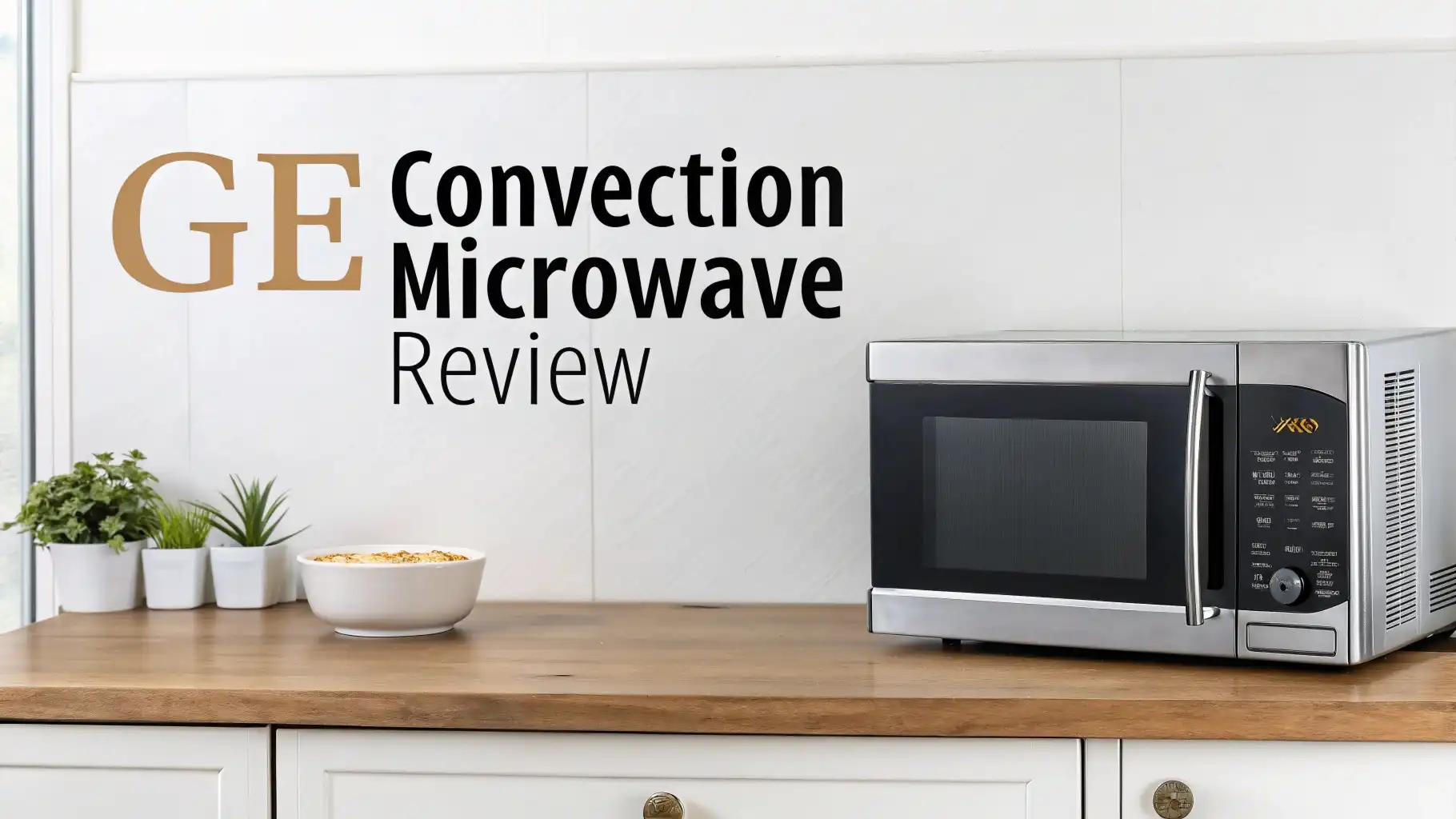
GE Convection Microwave Review: Step-by-Step Guide
Looking for a kitchen appliance that does more than just reheat leftovers? GE convection microwaves have become kitchen favorites for people who want multiple cooking functions in one compact unit.
These appliances combine microwave speed with convection cooking power and air frying capabilities.
This review explores the best GE convection microwave models available on Amazon right now.
Key Takeaways
- Multiple Cooking Modes: GE convection microwaves offer 4 to 8 cooking functions including microwave, convection baking, air frying, and broiling. This means you can replace several appliances with just one unit.
- Space Saving Design: Most models have a 1.0 to 1.7 cubic feet capacity that fits standard counter spaces while providing enough room for family size meals. The compact design works perfectly for apartments, dorms, and smaller kitchens.
- Power Performance: These units deliver 950 to 1,050 watts of microwave power and up to 1,500 watts for convection cooking. This dual power system ensures fast cooking times and crispy results.
- Air Fry Technology: The built in air fry feature uses convection heat circulation to create fried food textures without deep frying. Users report excellent results with french fries, chicken wings, and vegetables.
- Price Range: GE convection microwaves on Amazon range from $199 to $750 depending on capacity and features. The countertop models offer the best value while over the range units provide additional ventilation benefits.
- User Satisfaction: Most GE convection microwave models receive 4.0 to 4.3 star ratings on Amazon with users praising the versatility but noting the learning curve for mastering all functions.

GE GCST10A1WSS Convection Microwave with Air Fry
The GE GCST10A1WSS stands out as the most affordable convection microwave with air frying capabilities.
This 1.0 cubic foot model packs serious functionality into a compact stainless steel design. You get 1,050 watts of microwave power combined with convection and air fry modes that actually work.
This model includes a dedicated crisper pan that helps achieve golden brown results. The air fry function circulates hot air around your food creating that crispy exterior without deep frying.
Users love making french fries, chicken nuggets, and even reheating pizza with the air fry setting. The 20.6 inch width fits most standard countertops without taking over your entire kitchen workspace.
The control panel offers preset options for popular foods making operation simple even for first time users. You can switch between microwave mode for quick reheating and convection mode for proper baking.
The child lock feature provides safety for families with young kids. At around $199, this model delivers exceptional value for people wanting multiple cooking functions without breaking the bank.
GE Profile PEB9159SJSS Countertop Convection Microwave

The GE Profile series represents the premium tier of GE microwaves. The PEB9159SJSS model offers 1.5 cubic feet capacity with sophisticated cooking technology. This unit features sensor cooking controls that automatically adjust cooking time and power levels based on food moisture levels.
This microwave delivers professional level performance with its 1,000 watts of microwave power and powerful convection system. The stainless steel interior resists stains and cleans easily after messy cooking sessions.
Users appreciate the large turntable that accommodates bigger dishes and casseroles. The convection mode preheats quickly and maintains consistent temperatures for even baking results.
The Profile series includes premium construction with heavier materials and refined finishes. The control interface uses touch sensitive buttons with clear digital displays. You can program custom cooking sequences and save favorite settings for repeated use.
This model works perfectly for serious home cooks who want microwave convenience with oven quality results. The price point sits around $747 reflecting the advanced features and build quality.
Understanding Convection Technology in GE Microwaves
Convection cooking changes how microwaves function by adding a heating element and fan system. Traditional microwaves use electromagnetic waves to heat food from the inside. Convection technology adds circulating hot air that cooks food from the outside creating browning and crisping effects.
The convection fan distributes heat evenly throughout the cooking chamber. This means your food cooks uniformly without cold spots or overcooked edges.
The heating element can reach temperatures up to 450 degrees Fahrenheit making true baking and roasting possible. You can bake cookies, roast vegetables, and even cook frozen pizzas with results similar to a conventional oven.
GE convection microwaves include multiple rack positions for different cooking needs. The metal racks are safe to use in convection mode but must be removed for microwave only cooking.
This dual functionality means you need to understand which mode works best for each cooking task. The learning curve takes time but users report that the versatility becomes invaluable once mastered.
Top 3 Alternatives for GE Convection Microwave


Air Fry Function Performance and Real World Results
The air fry capability in GE convection microwaves generates the most excitement among buyers. This feature uses rapid air circulation combined with high heat to create fried food textures. The included crisper pan has perforations that allow hot air to reach all sides of your food.
Testing shows the air fry function works exceptionally well with thin items like fries and chicken tenders. These foods develop a crispy golden exterior while staying moist inside.
Users report that frozen french fries cook in about 12 to 15 minutes with results comparable to dedicated air fryers. The key involves arranging food in a single layer and not overcrowding the pan.
Thicker items like whole chicken breasts require longer cooking times and may not achieve the same crispiness. The 1,000 watt heating element provides enough power for most air frying tasks but cannot match the intensity of standalone air fryers.
The convenience of having air fry capability built into your microwave outweighs the minor performance differences for most users. You save counter space and get satisfying results without maintaining a separate appliance.
Size and Capacity Considerations for Your Kitchen
Choosing the right size GE convection microwave depends on your available space and cooking needs.
The 1.0 cubic foot models measure approximately 20 to 21 inches wide and work well for singles, couples, or small families. These compact units fit easily on standard countertops and handle everyday reheating and cooking tasks.
Mid size options with 1.5 cubic feet capacity provide more interior space for larger dishes. You can fit a 9×13 inch baking dish or a full size dinner plate without problems.
These models measure about 22 to 23 inches wide requiring more counter real estate. The extra capacity becomes valuable when cooking for families or preparing multiple items simultaneously.
Over the range models with 1.7 cubic feet offer maximum capacity while saving counter space. These units install above your stove replacing a traditional range hood. The built in ventilation system removes cooking odors and steam.
Installation requires electrical work and proper mounting but provides a streamlined kitchen appearance. Consider your ceiling height and cabinet configuration before choosing an over the range model.
Power Levels and Cooking Speed Comparison
Microwave power levels directly impact cooking speed and food quality. GE convection microwaves typically offer 950 to 1,050 watts of microwave power.
Higher wattage means faster cooking times and more even heating. A 1,050 watt model reheats a cup of coffee in about 90 seconds while lower wattage units need 2 minutes or more.
The convection heating element operates independently from microwave power. Most GE models provide 1,200 to 1,500 watts for convection cooking. This power level allows proper browning and crisping at temperatures up to 450 degrees.
The dual power system means you can use both functions simultaneously for combination cooking that delivers speed and quality.
Understanding power levels helps you adjust recipes and cooking times. Foods that normally take 20 minutes in a conventional oven might finish in 12 to 15 minutes using convection mode in these microwaves.
The sensor cooking feature in higher end models automatically adjusts power and time based on steam detection. This technology prevents overcooking and takes the guesswork out of preparing unfamiliar dishes.
Control Panel Features and User Interface
The control panel design significantly affects daily usability. Entry level GE convection microwaves use button based interfaces with preset cooking options.
You get dedicated buttons for popcorn, pizza, and other common foods. These presets work reasonably well but may require adjustment based on portion sizes.
Premium GE Profile models feature touch sensitive controls with digital displays showing cooking progress. You can see remaining time, selected power level, and current temperature simultaneously.
The interface allows programming multi stage cooking where the microwave automatically switches from one cooking mode to another. This feature proves useful for recipes requiring defrosting followed by cooking.
Some users find the button layout confusing initially especially when switching between microwave and convection modes. The mode selection process requires pressing multiple buttons in sequence.
GE provides clear instruction manuals but expect to reference them frequently during the first few weeks. Once you learn the button patterns, operation becomes second nature and the interface feels intuitive.
Cleaning and Maintenance Requirements
Keeping your GE convection microwave clean ensures optimal performance and longevity. The stainless steel interior in most models resists staining better than painted surfaces.
Spills and splatters wipe away easily with a damp cloth and mild detergent. Avoid abrasive cleaners that can scratch the interior finish.
The crisper pan and metal racks require regular cleaning to prevent grease buildup. These accessories are dishwasher safe making cleanup convenient after air frying or convection cooking.
The turntable glass plate also goes in the dishwasher. Some users recommend cleaning the crisper pan immediately after use before grease hardens.
The convection fan and heating element need occasional attention. Crumbs and food particles can accumulate around the fan opening affecting air circulation. Use a soft brush or vacuum attachment to remove debris every few months.
The exterior stainless steel finish shows fingerprints easily. Keep microfiber cloths handy for quick wipe downs. Stainless steel cleaner restores the shine and creates a protective coating that resists new smudges.
Energy Efficiency and Operating Costs
Convection microwaves use more electricity than standard microwaves due to the additional heating element. GE models typically consume 1,200 to 1,500 watts when running convection or air fry modes. This power usage compares favorably to full size ovens that draw 2,000 to 5,000 watts.
The smaller cooking chamber in a microwave convection oven reaches temperature faster than a conventional oven. This means shorter preheat times and reduced overall cooking duration.
You save energy by heating a smaller space and finishing cooking tasks more quickly. The combination of microwave and convection cooking can reduce cooking time by 30 to 50 percent compared to traditional ovens.
Operating costs remain modest even with regular use. Running the convection function for 30 minutes daily costs approximately $3 to $5 per month based on average electricity rates. The energy efficiency improves when you use the appliance to replace multiple devices.
Eliminating a separate toaster oven, air fryer, and microwave reduces your total kitchen energy consumption. Most users find the convenience and versatility justify any minor increase in electricity costs.
Installation Options for Different Kitchen Layouts
Countertop models offer the simplest installation requiring only a power outlet. Place the microwave at least 3 inches away from walls to ensure proper ventilation.
The side and rear vents need clearance for hot air to escape. Most kitchens have adequate counter space for 1.0 cubic foot models but larger units may require rearranging.
Over the range installation provides a built in look while freeing counter space. These models require mounting brackets secured to wall studs and proper electrical connections.
The ventilation system needs ducting to the outside or can operate in recirculation mode with charcoal filters. Professional installation costs $100 to $300 depending on your kitchen configuration and local labor rates.
Built in trim kits allow countertop models to fit into cabinet openings for a seamless appearance. The trim kit fills gaps between the microwave and surrounding cabinets. This installation style works well during kitchen renovations or when replacing old built in microwaves.
Verify the trim kit compatibility with your specific GE model before purchasing. Some newer models have proprietary mounting systems that require matching trim kit designs.
Customer Feedback and Common Complaints
User reviews highlight both strengths and weaknesses of GE convection microwaves. The most praised features include cooking versatility and space saving design.
Customers love having multiple appliances combined into one unit. The air fry function receives consistent positive feedback for producing crispy foods without oil.
Common complaints focus on the learning curve required to master all functions. New users struggle with the control panel initially and find the instruction manual overwhelming.
Some reviewers mention that the display brightness could be better especially in bright kitchens. The buttons can feel stiff requiring firm pressing to register commands.
A few users report that the air fry function works better with some foods than others. Thicker items like chicken breasts may not crisp as thoroughly as thinner cuts. The convection fan creates noise during operation that some find louder than expected.
Despite these minor issues, most owners rate their GE convection microwaves 4 stars or higher and recommend them to others. The combination of value, performance, and features outweighs the occasional frustrations.
Warranty Coverage and Customer Support
GE provides a one year limited warranty covering parts and labor for manufacturing defects. This warranty starts from the original purchase date and requires proof of purchase.
The coverage includes the magnetron, control board, and other essential components. Normal wear and tear or damage from misuse falls outside warranty protection.
Extended warranty options are available through retailers and third party providers. These plans extend coverage for two to five additional years beyond the standard warranty.
Consider extended protection if you use the microwave heavily or want peace of mind. The cost typically ranges from $30 to $100 depending on coverage length and model price.
GE customer support offers phone assistance and online resources. The company website includes user manuals, troubleshooting guides, and video tutorials. Response times for phone support average about 10 minutes during business hours.
Replacement parts can be ordered directly from GE or authorized service centers. Most users find the support adequate though some wish for more responsive email communication options.
FAQs
Can you use metal cookware in a GE convection microwave?
You can use metal cookware when operating in convection or air fry mode only. Metal pans, aluminum foil, and the included metal racks are safe during convection cooking because the heating element works like a regular oven. Never use metal when operating in microwave mode as this causes sparking and potential damage. Always remove metal racks before using microwave functions.
How long does it take to air fry french fries in a GE convection microwave?
Frozen french fries typically need 12 to 15 minutes in air fry mode at 400 degrees Fahrenheit. Spread the fries in a single layer on the crisper pan for best results. Shake the pan halfway through cooking to ensure even crisping. Fresh cut fries may need a few extra minutes depending on thickness. The cooking time matches dedicated air fryers with comparable results.
Do GE convection microwaves require special installation?
Countertop models need only a standard electrical outlet and adequate clearance for ventilation. Over the range models require professional installation with mounting brackets and electrical connections. You must ensure proper ventilation either through external ducting or recirculation filters. Built in installations using trim kits need precise measurements and cabinet modifications. Most people handle countertop setup themselves but hire professionals for over the range installations.
What is the difference between GE and GE Profile convection microwaves?
GE Profile represents the premium appliance line with enhanced features and build quality. Profile models include sensor cooking technology, stainless steel interiors, and more sophisticated control panels. Standard GE models offer excellent value with essential convection and air fry functions at lower prices. Profile units cost more but provide advanced cooking capabilities and more durable construction. Both lines deliver reliable performance suited to different budget levels.
How do you clean the crisper pan after air frying?
The crisper pan is dishwasher safe for easy cleanup. For best results, rinse the pan immediately after use before grease hardens. Hand washing with hot soapy water removes most residue quickly. Stubborn grease responds well to baking soda paste applied and left for 15 minutes before scrubbing. Avoid metal scrubbers that scratch the nonstick coating. Regular cleaning prevents buildup that affects air frying performance.
Can the GE convection microwave replace a regular oven?
A convection microwave can handle many oven tasks but has limitations. The smaller cavity restricts dish sizes and cooking large meals simultaneously. The 1.0 to 1.7 cubic foot capacity works for everyday cooking but cannot accommodate full size sheet pans or large roasting dishes. Baking results match conventional ovens for most recipes. The convection microwave excels as a secondary oven or for small households but may not fully replace a full size range for larger families.