Coleman Triton Propane Stove Review: Worth the Price Tag?
Camping trips become more enjoyable when you have reliable cooking equipment. The Coleman Triton Propane Stove stands out as a favorite among outdoor enthusiasts who want powerful performance without breaking the bank.
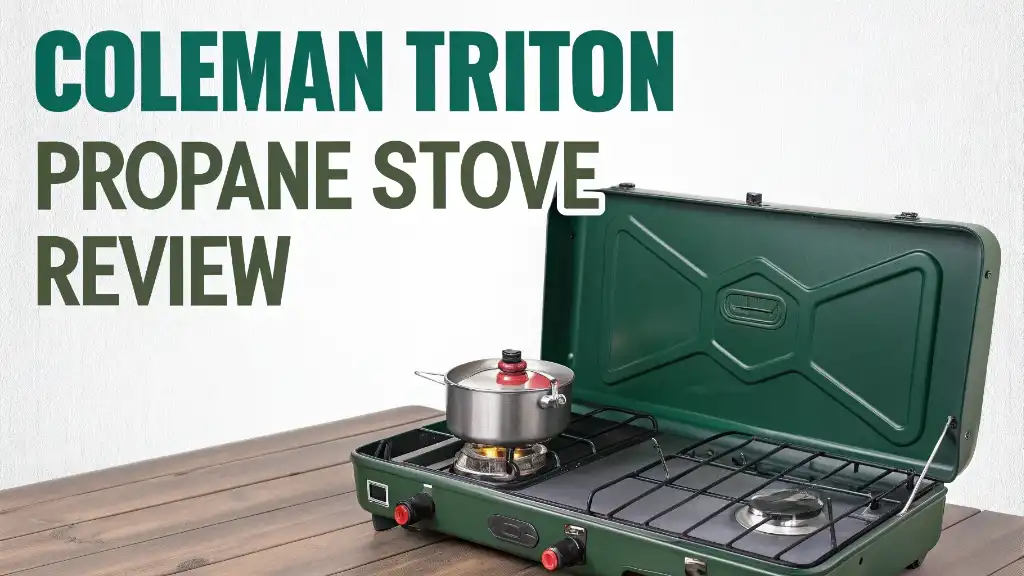
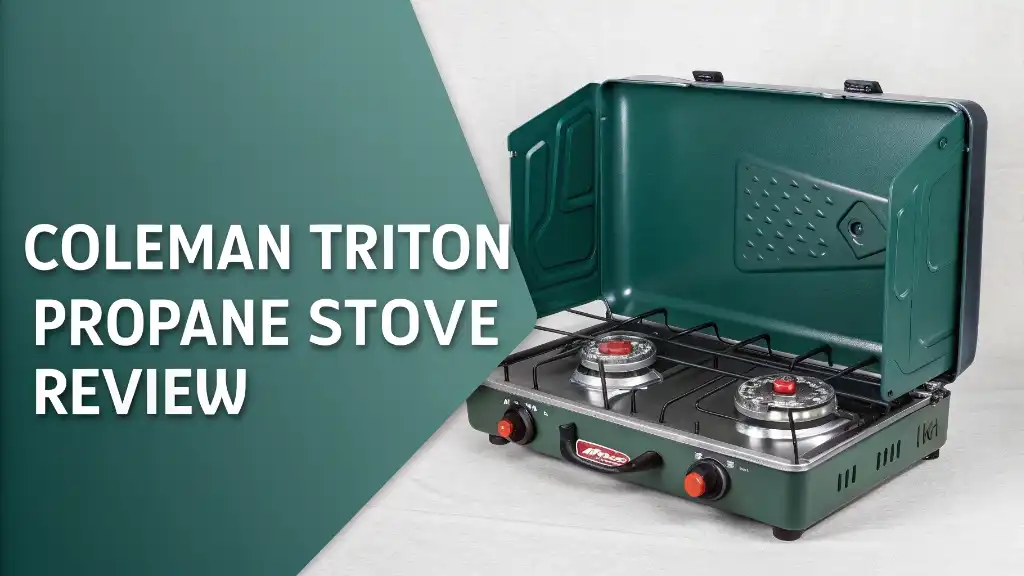
This portable camping stove delivers 22,000 BTUs of total cooking power across two independent burners, making it perfect for everything from morning coffee to evening feasts under the stars.
This review takes you through every feature, benefit, and consideration you need to know before adding this cooking companion to your outdoor gear collection.
Key Takeaways:
- Powerful Dual Burner System: The stove provides 11,000 BTUs per burner, giving you a combined 22,000 BTUs of cooking power. This output lets you boil water quickly and cook meals efficiently at your campsite.
- Spacious Cooking Surface: The cooking area accommodates both a 12-inch and 10-inch pan simultaneously. You can prepare main dishes and side dishes at the same time without waiting for burner space.
- Portable Design with Easy Transport: Built-in handles and compact dimensions make this stove easy to carry from your vehicle to your campsite. The lightweight construction does not sacrifice durability or performance.
- Adjustable Heat Controls: Independent burner controls let you simmer sauces on one side while bringing water to a rolling boil on the other. This flexibility makes cooking more precise and enjoyable.
- Wind Protection Built In: The integrated wind guards protect your flame from outdoor breezes. This feature ensures consistent heat even when cooking in less-than-perfect weather conditions.

Coleman Triton 2-Burner Propane Stove: The Complete Package
The Coleman Triton 2-Burner Propane Stove represents excellent value in the camping stove market. This model combines affordable pricing with features that serious campers appreciate. The stove connects easily to standard 16-ounce propane cylinders, providing approximately one hour of burn time on high heat.
The construction quality impresses users right out of the box. Chrome-plated grates resist rust and clean up easily after cooking. The grates lift out for quick washing, which saves time during cleanup. The body features durable steel construction that withstands regular outdoor use.
Many campers appreciate the straightforward design of this stove. You do not need to study complicated instructions or deal with confusing assembly steps.
Simply attach a propane cylinder, turn the knobs, and light the burners with a match or lighter. This simplicity makes it accessible for beginners while still satisfying experienced outdoor cooks.
The burners provide consistent heat distribution across the cooking surface. Food cooks evenly without hot spots that burn some areas while leaving others undercooked. This reliability matters when you are cooking for hungry campers after a long day of activities.
Unpacking the Power: Understanding BTU Output
BTU stands for British Thermal Unit, which measures heat output. The Coleman Triton delivers 11,000 BTUs from each burner. This power level sits in the sweet spot for camping stoves. You get enough heat to cook meals quickly without consuming excessive fuel.
The dual burner system gives you options during meal preparation. You can use one burner for fuel efficiency when cooking simple meals. Both burners working together handle larger cooking tasks with ease. The independent controls mean each burner operates separately, giving you maximum flexibility.
Water boils in just a few minutes on the Triton. This quick heating saves time and fuel during your camping trips. Morning coffee comes together faster, and dinner preparation becomes more efficient. The heat output also maintains temperature well during simmering, which helps when preparing sauces or keeping food warm.
Compared to other camping stoves in this price range, the Coleman Triton offers competitive power output. Some budget stoves provide less heat, resulting in longer cooking times. The Triton strikes a balance between power and fuel efficiency that works well for most camping scenarios.
Top 3 Alternatives for Coleman Triton Propane Stove


Cooking Surface and Size Specifications
The cooking surface measures large enough to handle family-sized meals. You can place a 12-inch pan on one burner and a 10-inch pan on the other burner simultaneously. This dual cooking capability means less time waiting for burner space and more time enjoying meals together.
The stove dimensions provide a generous cooking area without making the unit too bulky to transport. The compact design folds down for storage and travel. When set up, the stable base keeps pots and pans secure during cooking. You do not worry about wobbly cookware or spills caused by an unstable platform.
The grate design accommodates various cookware types. Cast iron skillets, aluminum pots, and standard camping cookware all sit securely on the burners. The spacing between burners allows adequate room for pot handles. You can adjust pots and pans without burning your hands on adjacent burners.
This cooking surface size works well for groups of four to six people. You can prepare multiple dishes simultaneously, which speeds up meal preparation. Breakfast becomes easier when you cook eggs on one burner while preparing pancakes on the other. Dinner service improves when you boil pasta while simmering sauce.
Portability and Transport Features
Portability matters for camping equipment. The Coleman Triton weighs approximately 12 pounds, making it easy to carry from your vehicle to your campsite. The weight distributes evenly, so the stove does not feel awkward during transport.
Built-in handles on the underside provide convenient grip points. You can carry the stove with one hand, leaving your other hand free for additional gear. The handles position away from hot surfaces, protecting your hands during and after cooking.
The stove measures 21 inches by 13 inches by 3.6 inches when set up. These dimensions fit comfortably on most picnic tables and camping surfaces. When you finish cooking, the stove closes up for compact storage. The folding design saves space in your vehicle or storage area.
Many campers store the Coleman Triton in their camping gear permanently. The durable construction handles regular loading and unloading without damage. The stove slides easily into RV storage compartments, truck beds, or camping trailers. This convenience means you always have reliable cooking equipment ready for your next adventure.
Wind Protection and Weather Performance
Outdoor cooking presents challenges that kitchen cooking does not. Wind can blow out burner flames or create uneven heating. The Coleman Triton addresses this concern with integrated wind guards on three sides of the burners.
These wind panels stand up when you open the stove for cooking. The guards block wind from multiple directions, protecting your flame from breezes. This protection maintains consistent heat even when cooking in open areas or during windy conditions.
The wind guards fold down flat when you close the stove for storage. This design keeps the guards attached and ready for your next cooking session. You do not need to track separate windscreen pieces or worry about losing protection components.
Camping in various weather conditions tests equipment durability. The Coleman Triton performs reliably in mild to moderate wind. Very strong winds may still affect cooking, but the built-in guards handle typical outdoor conditions well. This weather resistance gives you confidence when planning outdoor meals.
The stove also handles temperature variations effectively. Cold weather camping requires equipment that functions in chilly conditions. The Triton lights reliably and maintains consistent heat output across a range of temperatures. This reliability makes it suitable for spring, summer, and fall camping trips.
Fuel Efficiency and Burn Time
Fuel efficiency impacts your camping budget and pack weight. The Coleman Triton operates on standard 16-ounce propane cylinders, which are widely available at sporting goods stores, grocery stores, and gas stations. This common fuel type means you can find replacements easily during trips.
Running both burners on high heat, you get approximately one hour of burn time from a single 16-ounce cylinder. This burn time varies based on heat settings and usage patterns. Lower heat settings extend fuel life significantly. Many campers find one cylinder lasts for several meals when using moderate heat levels.
The adjustable burner controls let you dial in the exact heat you need. This precision prevents fuel waste from running burners hotter than necessary. You can set one burner to high for boiling while keeping the other on low for warming food. This flexibility optimizes fuel consumption.
Some users choose to connect the stove to larger propane tanks using adapter hoses. This option works well for extended camping trips or when the stove stays at a base camp location. The adapter setup provides longer cooking time without cylinder changes. This versatility makes the Triton adaptable to different camping styles.
Setup and Operation Simplicity
Simple operation makes camping more enjoyable. The Coleman Triton requires minimal setup before you start cooking. The process takes less than a minute once you understand the basic steps.
First, attach a propane cylinder to the connection point on the stove. The threaded connection turns easily by hand. You do not need tools for this attachment. The connection creates a secure seal that prevents gas leaks during operation.
Next, open the stove by lifting the top section. The wind guards automatically position themselves for protection. The cooking grates sit securely in place, ready for your cookware.
Turn the burner control knob to release gas. Light the burner with a match, lighter, or spark igniter. The standard Coleman Triton model does not include automatic ignition, so you provide the spark. The Coleman Triton+ version offers push-button ignition for added convenience.
Once lit, adjust the flame to your desired heat level. The controls turn smoothly and respond quickly to adjustments. You can fine-tune heat from a low simmer to a rolling boil. This precise control makes cooking more predictable and successful.
Cleaning and Maintenance Requirements
Easy cleaning extends the life of camping equipment. The Coleman Triton features removable grates that lift out for washing. The chrome-plated surface resists food sticking and wipes clean easily. Most cooking residue comes off with warm water and mild soap.
The burner area stays relatively clean during normal use. Occasional debris or food particles may fall through the grates onto the burner components. Regular inspection and cleaning keep the burners functioning properly. A soft brush removes loose debris without damaging components.
The exterior surfaces wipe down quickly after cooking. The steel construction handles cleaning products without damage. Keeping the exterior clean prevents rust and maintains the appearance of your stove over time.
Proper storage between camping trips protects your investment. Store the stove in a dry location away from moisture. Remove propane cylinders before storage for safety. The compact folded size makes storage straightforward in garages, sheds, or camping gear closets.
Periodic inspection of connections and components ensures safe operation. Check hoses for cracks or damage before each camping season. Test connections for proper sealing before cooking. These simple maintenance steps keep your Coleman Triton operating safely and efficiently for years.
Durability and Build Quality
Build quality separates reliable camping gear from equipment that fails when you need it most. The Coleman Triton uses steel construction throughout its frame and body. This material choice provides strength without excessive weight.
The chrome-plated grates resist rust and corrosion. This protection matters when cooking outdoors where moisture and food acids can damage unprotected metals. The coating holds up well through repeated heating and cooling cycles.
The burner components feature quality construction that withstands regular use. The flame ports maintain their shape and position through many cooking sessions. This consistency keeps heat output reliable over the life of the stove.
Users report the Coleman Triton lasting for many years of regular camping use. The simple mechanical design has fewer parts that can break compared to more complex stoves. This simplicity contributes to long-term reliability and reduces maintenance needs.
The hinges and latches operate smoothly through repeated opening and closing. These connection points handle the stress of transport and setup without loosening or breaking. Quality engineering in these details adds to the overall durability of the stove.
Price Value and Cost Considerations
Value matters when investing in camping gear. The Coleman Triton typically retails around $100 to $130, positioning it in the mid-budget range for two-burner camping stoves. This price point makes quality outdoor cooking accessible to many campers.
Comparing features to price reveals excellent value. You get powerful burners, durable construction, and reliable performance at a cost below many competing models. Some stoves offer similar features at higher prices. Others cost less but sacrifice power output or build quality.
The fuel cost remains reasonable with standard propane cylinders. A 16-ounce cylinder costs between $4 and $6 at most retailers. This fuel expense adds up slowly since each cylinder provides multiple meals worth of cooking time.
Long-term value comes from durability and reliability. Buying a stove that lasts many years costs less over time than replacing cheaper models that fail quickly. The Coleman Triton’s proven track record suggests it provides good long-term value for regular campers.
Many retailers offer occasional sales on Coleman camping equipment. Watching for deals can reduce your initial investment. The stove also appears on online marketplaces where pricing may vary. Shopping around can help you find the best price for your purchase.
Common User Experiences and Feedback
Real-world user feedback provides valuable insights. The Coleman Triton has received thousands of reviews across multiple platforms. Most users rate it 4.7 out of 5 stars, indicating high satisfaction levels.
Campers frequently praise the stove’s cooking power. Many mention boiling water quickly and cooking meals efficiently. The heat output meets or exceeds expectations for users across different camping scenarios.
The portability receives consistent positive comments. Users appreciate the manageable weight and convenient handles. Families report easy transport from vehicles to campsites without struggle or awkwardness.
Some users note the lack of automatic ignition as a minor inconvenience. The standard model requires matches or a lighter for ignition. This design choice reduces complexity and cost but requires you to carry ignition tools. The Triton+ model addresses this concern with push-button ignition for users who prefer that feature.
The wind guards receive mixed feedback. Most users find them adequate for typical conditions. Some campers in consistently windy locations add supplemental windscreens for extra protection. The built-in guards work well as a baseline feature while allowing customization for specific needs.
Safety Features and Considerations
Safety matters when working with propane and open flames. The Coleman Triton includes several features that promote safe operation. Understanding these features and following proper practices keeps you and your fellow campers protected.
The burner controls shut off gas flow immediately when turned to the off position. This quick shutoff prevents gas accumulation that could create fire hazards. The controls operate smoothly without sticking, allowing confident shutdown when needed.
The stable base design prevents tipping during normal use. The wide footprint and low center of gravity keep the stove planted firmly on cooking surfaces. You should still place the stove on level ground away from flammable materials.
Proper ventilation matters when cooking with propane. Always use the stove outdoors or in well-ventilated areas. Never operate propane appliances inside tents, vehicles, or enclosed spaces. Carbon monoxide buildup in confined spaces creates serious health risks.
Connection points between propane cylinders and the stove should be checked regularly. A secure connection prevents gas leaks that could cause fires or explosions. The smell of propane indicates a leak requiring immediate attention. Turn off gas and fix connections before proceeding.
Keep children and pets at a safe distance during cooking operations. The stove surfaces become very hot during use. Burns can occur from accidental contact with hot components. Establish a safety zone around your cooking area and supervise young campers carefully.
What Are the Dimensions and Weight of the Coleman Triton Stove?
The Coleman Triton measures 21 inches long by 13 inches wide by 3.6 inches tall when set up for cooking. These dimensions provide substantial cooking space while maintaining a manageable footprint. The stove fits comfortably on standard picnic tables and camping surfaces.
The weight comes in at approximately 12 pounds including the grates and windscreens. This weight makes the stove portable enough for most camping situations. One person can carry the stove easily from vehicle to campsite without assistance.
Can You Use a 20-Pound Propane Tank with the Coleman Triton?
Yes, you can connect the Coleman Triton to a 20-pound propane tank using an adapter hose. These hoses feature the proper fittings to connect the stove’s input to larger propane tanks. This setup works well for extended camping trips or when the stove stays at a base camp.
The larger tank provides significantly more cooking time than 16-ounce cylinders. Many campers find a 20-pound tank lasts for multiple camping weekends. This option reduces the need to carry multiple small cylinders and saves money on fuel costs over time.
How Does the Coleman Triton Compare to the Triton Plus Model?
The main difference between models involves the ignition system. The standard Coleman Triton requires matches or a lighter for starting burners. The Triton Plus features InstaStart push-button ignition built into the control knobs.
Both models provide the same 22,000 BTUs of total cooking power. The burner controls, wind guards, and cooking surface remain identical between versions. The price difference typically amounts to $30 to $40 more for the Triton Plus.
Your choice depends on personal preference and budget. The push-button ignition offers convenience but adds cost and complexity. The standard model provides reliable operation at a lower price point while requiring you to provide the ignition spark.
What Maintenance Does the Coleman Triton Stove Require?
The Coleman Triton requires minimal maintenance with regular use. Clean the grates and exterior surfaces after each camping trip. Remove food debris and wipe down surfaces to prevent buildup that could affect performance.
Inspect burner ports periodically for blockages. Dust, insects, or food particles can clog the small holes where flames emerge. A soft brush or compressed air clears these openings without damage. Clean burners ensure even heat distribution and proper flame patterns.
Check connection points and hoses before each camping season. Look for cracks, wear, or damage that could cause gas leaks. Replace any damaged components before using the stove. Test connections with soapy water to verify proper sealing before cooking.
Is the Coleman Triton Suitable for Cold Weather Camping?
The Coleman Triton operates effectively in cold weather conditions. Propane stoves generally perform well across a range of temperatures. The stove lights reliably and maintains consistent heat output during spring, summer, and fall camping.
Very cold temperatures can affect propane pressure and performance. In freezing conditions, standard propane cylinders may struggle to provide adequate gas flow. Cold-weather propane blends or larger tanks in warmer storage can help maintain performance in extreme cold.
Most recreational camping occurs in moderate temperatures where the Triton performs excellently. The stove handles cool mornings and chilly evenings without difficulty. This reliability makes it suitable for three-season camping across most regions.