Breville Barista Express Review 2026: Worth the Splurge?
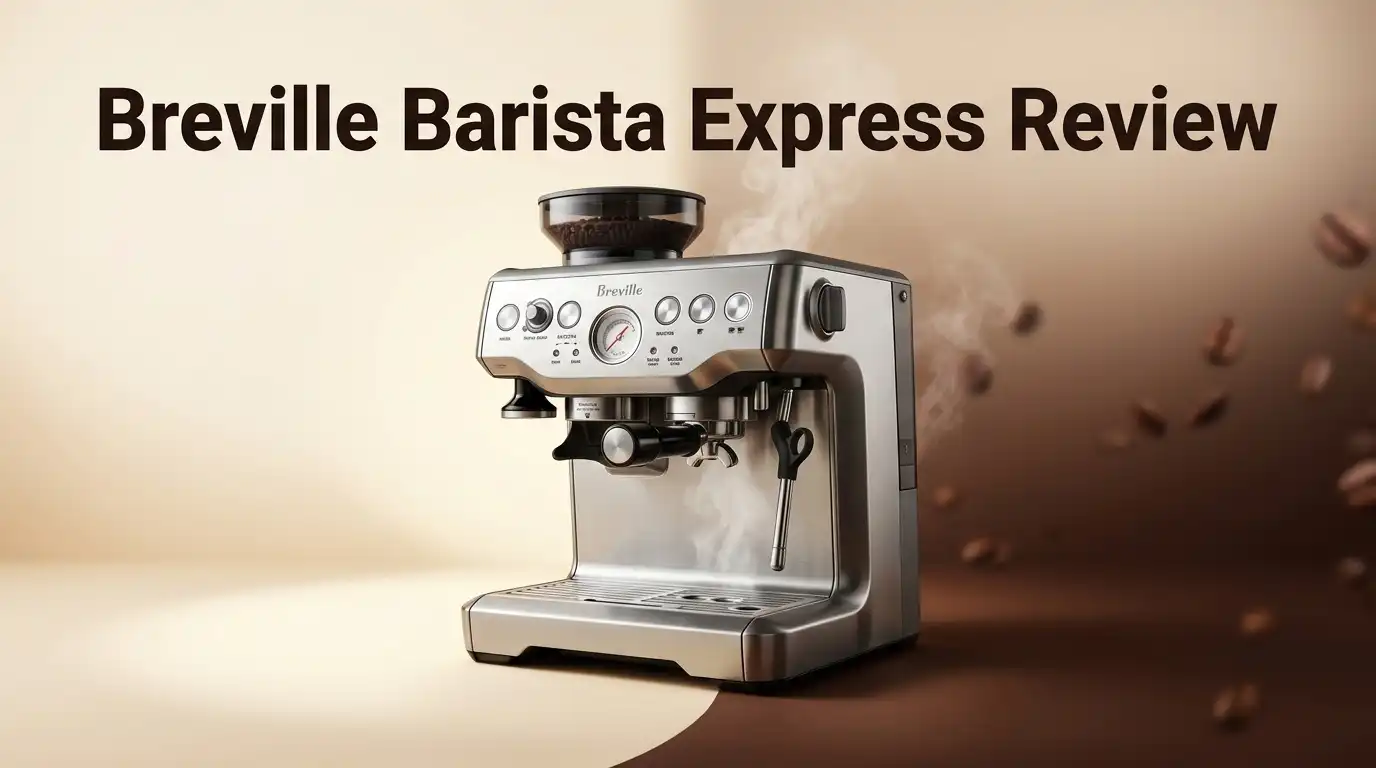
Do you want great coffee at home? The Breville Barista Express might be your answer. This machine grinds, tamps, and brews espresso in one simple process.
You get a built in grinder with steel conical burrs. It offers 16 grind settings for full control. This means fresh coffee grounds every single time.
The 54mm stainless steel portafilter helps you pull rich shots. A low pressure pre-infusion feature also boosts flavor extraction. Your espresso will taste smooth and balanced.
In a Nutshell
- All in one design. This machine grinds, doses, and brews. You skip buying separate tools for your coffee routine.
- Steel conical burrs grind your beans fresh. You get 16 settings to match your taste and roast type.
- Low pressure pre-infusion happens before the shot pulls. This step helps grounds soak and creates even extraction.
- Dishwasher safe parts make cleanup simple. The dosing funnel and other pieces just go in your dishwasher.
- Built-in cleaning cycle keeps your machine healthy. You run it easily to clear leftover coffee oils and buildup.
- Some practice is needed. You may adjust grind size a few times to nail your perfect shot.
Build Quality and Design
The Breville Barista Express feels solid in your hands from the moment you unbox it. Stainless steel dominates the exterior, giving this machine a professional appearance that fits nicely on any kitchen counter. The body weighs 22.09 lbs, so it sits stable and won’t shift around during operation.
The 54mm portafilter is a key design choice here. This larger size compared to many home machines means you get better espresso extraction. The portafilter accepts both single and dual baskets, so you can adjust your shot volume based on what you’re making that day.
Breville packed the controls into a compact footprint without making them confusing. The grind adjustment dial sits front and center, letting you dial in your beans quickly. The integrated water tank holds 67 oz, which means fewer refills during your morning routine. The bean hopper stores half a pound of beans comfortably.
The drip tray capacity of 1.1L matters more than you might think. Longer espresso sessions or milk drink prep won’t overflow your tray constantly. The tray pulls out easily for cleaning, and all removable parts are dishwasher safe.
The machine’s heating element runs at 1600W, delivering consistent temperature for espresso extraction. This power level heats water quickly without overwhelming your electrical circuit.
One design strength is how Breville integrated the grinder into the main body. You don’t need shelf space for a separate grinder. The 40mm steel conical burrs sit built in, grinding beans fresh moments before extraction. This setup reduces mess and keeps everything contained.
The low pressure pre infusion system works quietly during operation. You won’t hear loud hissing or banging. The entire machine operates smoothly, which speaks to Breville’s engineering approach.
Overall, the build quality reflects a machine made for daily use. Materials feel durable, and the layout makes sense for home baristas. Everything you need sits in one compact unit, though the design does require you to learn proper technique for best results.

- MANUAL HAND-TEXTURED MICROFOAM: The powerful steam wand on this cappuccino maker and latte machine...
- PRECISE DOSE GRINDING: Integrated precision conical burr grinder on bean-to-cup espresso machine...

Last update on 2026-10-23 / Affiliate links / Images from Amazon Product Advertising API Some of the links on this website are affiliate links, which means that at no additional cost to you, I earn a commission if you click through and make a purchase. I only recommend products and services that I believe will add value to my readers. Thank you for your support!
Integrated Grinder and Grinding Performance
The integrated grinder transforms how you make espresso at home. You don’t need to buy a separate grinder or transfer beans between machines. Everything happens in one compact unit.
The 40mm steel conical burrs sit at the heart of this system. These burrs grind your beans fresh right before brewing. Fresh grounds mean better flavor in your cup. The burr design creates consistent particle size, which matters for even water flow through the packing.
You get 16 grind settings to choose from. This range lets you dial in from fine espresso grinds to coarser options. Most users find their sweet spot within the first few attempts. The adjustment dial sits on the side of the machine for easy access during operation.
The grinding performance depends on how you use it. You fill the hopper with up to half a pound of beans. The grinder pulses as you pull your shot, dispensing grounds directly into the portafilter. This on demand grinding keeps your beans fresher longer since you only grind what you need.
Some adjustment is necessary to get optimal results. You may need to tweak the grind size or the amount of grounds depending on your beans and preferences. This learning process takes a few shots, not weeks. Once you dial it in, consistency becomes automatic.
The burrs produce minimal heat during grinding. This matters because excessive heat can damage delicate coffee flavors. The conical design also means fewer fines (tiny particles) end up in your espresso compared to blade grinders.
Cleaning the grinder is straightforward. You can run the cleaning cycle through the integrated system. Some removable parts are dishwasher safe, which saves time on maintenance.
The grinding performance makes this machine practical for daily use. You wake up, add beans to the hopper, and start grinding within seconds. No separate equipment clutters your counter space. This all in one approach appeals to people who want simplicity without sacrificing espresso quality.
Espresso Extraction and Pressure System
The pressure system inside the Breville Barista Express works hard to pull exceptional shots. The 9 bar pump delivers consistent pressure throughout your extraction process. This pressure level sits at the sweet spot for home espresso machines.
The low pressure pre-infusion feature deserves special attention here. Before full pressure kicks in, the system gently saturates your coffee grounds. This step prevents channeling and ensures even water distribution through your puck. You get better flavor extraction as a result.
The 54mm stainless steel portafilter accepts both single and dual baskets. This flexibility lets you adjust your shot volume based on your mood or cup size. The larger portafilter diameter means more contact area between water and coffee. More contact equals richer, fuller bodied shots.
Temperature stability matters for espresso extraction. The 1600W heating element keeps your group head at the right temperature. Consistent heat means consistent results shot after shot. You won’t experience the temperature swings that plague cheaper machines.
The extraction process feels intuitive once you understand the basics. Tamp your grounds evenly into the basket. Lock the portafilter into place. Hit the single or double shot button. The machine handles the rest automatically.
One important note: optimal extraction requires proper grind size adjustment. Too coarse and water rushes through. Too fine and your shot chokes. The machine gives you the tools, but you need to dial things in. This learning curve typically takes a few days of experimentation.
The drip tray capacity of 1.1L catches excess water and spent grounds. You won’t need to empty it constantly during regular use. This design choice reduces interruptions to your workflow.
The pressure system balances power with control. You get enough force to extract espresso properly, but not so much that it becomes unmanageable. Home baristas appreciate this middle ground approach. The result is a machine that produces cafe quality shots without professional level complexity.
Top 3 Alternatives
DeLonghi Dedica Espresso
No products found.
Gaggia Classic Pro

- Solid Steel Housing, Made in Italy
- 9 Bar Espresso Extractions
Last update on 2026-10-23 / Affiliate links / Images from Amazon Product Advertising API Some of the links on this website are affiliate links, which means that at no additional cost to you, I earn a commission if you click through and make a purchase. I only recommend products and services that I believe will add value to my readers. Thank you for your support!
Roka Espresso Machine

- velvety lattes This semi-automatic espresso
Last update on 2026-10-23 / Affiliate links / Images from Amazon Product Advertising API Some of the links on this website are affiliate links, which means that at no additional cost to you, I earn a commission if you click through and make a purchase. I only recommend products and services that I believe will add value to my readers. Thank you for your support!
Water Tank Capacity and Maintenance
The water tank holds 67 ounces of water. This capacity gets you through multiple espresso shots before refilling. You won’t need to constantly top it up during your morning routine.
Filling the tank is simple and straightforward. The tank sits on the side of the machine, making access easy. You can remove it quickly for cleaning or refilling. The opening is wide enough that you don’t struggle with pouring water in.
Water quality matters for your machine’s longevity. Using filtered water reduces mineral buildup inside the system. Hard water leaves deposits that affect heating performance over time. Many users find that filtered water improves both the taste and the machine’s reliability.
The drip tray catches water during the brewing process. Its 1.1L capacity means you can run several shots before emptying it. When the tray fills up, the machine alerts you. This prevents water from spilling onto your counter.
Cleaning the water tank requires minimal effort. You can remove it and rinse it under running water. The tank material resists staining and discoloration. A quick wash once a week keeps everything fresh.
Maintenance extends the life of your machine. Breville built an integrated cleaning cycle into this model. The cycle runs automatically when you need it. This feature keeps internal water lines clear and prevents clogs.
The dishwasher-safe components make upkeep easier. The dosing funnel and other removable parts go straight into the dishwasher. You don’t need to hand wash everything after each use. This saves time on your cleaning routine.
Descaling should happen every few months if you use filtered water. Hard water areas may need descaling more often. Breville provides descaling solutions that work with this machine. Following the descaling schedule prevents mineral accumulation.
The water system works together with the heating element to maintain temperature stability. Consistent water flow ensures even extraction during brewing. This connection between water capacity and performance makes the tank design important to your daily experience.
Learning Curve and Ease of Use
Starting with the Breville Barista Express feels manageable for most people. The machine puts all essential controls within arm’s reach, so you won’t feel lost when you first unbox it.
The initial setup takes about 10 minutes. You fill the water tank, plug it in, and run water through the group head. This priming step ensures everything flows smoothly before your first shot.
The real learning curve arrives when you dial in your grind size. The 16 grind settings give you flexibility, but finding the sweet spot takes practice. Too coarse, and your shot runs fast. Too fine, and water struggles to push through. Most people nail this within their first week of regular use.
Adjusting the grind dial becomes second nature quickly. You’ll develop a feel for small tweaks and how they affect your espresso. The machine responds predictably to changes, which helps you learn faster.
The portafilter itself is straightforward to operate. Insert it, lock it into the group head, and press the button. The pressure system handles the heavy lifting for you. You don’t need years of barista training to pull a decent shot.
Milk steaming presents a slightly steeper challenge than pulling espresso. The steam wand requires practice to create smooth microfoam for lattes and cappuccinos. However, the wand heats up quickly and delivers consistent steam pressure. With 5 to 10 attempts, most home users produce acceptable milk drinks.
The integrated cleaning cycle removes complexity from maintenance. You run water through without the portafilter attached, and the machine flushes the group head automatically. This takes less than a minute and keeps things hygienic.
Dishwasher-safe components like the dosing funnel and basket reduce friction too. You spend less time scrubbing and more time enjoying your coffee.
Overall, expect to feel comfortable within 2 to 3 weeks of regular use. The machine rewards patience and practice. Beginners appreciate how it guides you through each step without overwhelming you with unnecessary features. The balance between simplicity and control makes this machine approachable for newcomers while still offering room to grow your skills.
Pros and Cons
Pros
- Built-in grinder with 40mm burrs saves you from buying separate equipment
- Low pressure pre-infusion helps extract flavor evenly from your grounds
- Integrated cleaning cycle removes the guesswork from machine maintenance
- Dishwasher-safe components like the dosing funnel and baskets cut down on cleanup time
- 16 grind settings give you plenty of flexibility to dial in your perfect shot
Cons
- You’ll need to adjust the grind size dial frequently until you find what works for your beans
- Milk steaming has a steeper learning curve than pulling espresso shots
- The machine requires patience and practice before you pull consistently good drinks
Who Should Buy It
The Breville Barista Express works best for people who want everything in one machine. You get a grinder, espresso maker, and steamer all together. This means you skip buying separate equipment.
Home coffee lovers who enjoy hands-on brewing will appreciate this model. You control the grind size, dose, and extraction yourself. The machine doesn’t do all the work for you, which appeals to people who want involvement in their coffee routine.
If you’re willing to practice, this machine rewards your effort. Expect to spend 2 to 3 weeks getting comfortable with dialing in your grind. After that period, pulling consistent shots becomes natural. This machine suits people with patience and genuine interest in espresso.
The Barista Express fits your needs if you drink espresso regularly. The 67 oz water tank handles multiple drinks before refilling. The 1/2 lb bean hopper means you won’t refill beans constantly. This capacity works well for daily drinkers in a household.
People who value simplicity should know the learning curve exists. Milk steaming requires practice to master latte art. Pulling espresso shots is easier than steaming milk, but both improve with repetition. If you want a push button machine, look elsewhere.
Beginners who want to learn espresso making find this machine ideal. The integrated cleaning cycle removes guesswork from maintenance. Dishwasher safe parts like the dosing funnel and basket make cleanup easy. You won’t feel overwhelmed by complex cleaning routines.
This machine suits people with limited counter space too. At 22.09 lbs, it’s compact enough for smaller kitchens. The footprint stays reasonable compared to separate grinder and espresso machine setups.
Skip this machine if you want zero learning curve. Avoid it if you prefer automatic milk frothing systems. This isn’t for people who want one button espresso.
The Barista Express belongs in homes where someone genuinely enjoys making espresso. You need curiosity about coffee extraction and willingness to experiment with grind settings. If that describes you, this machine delivers exactly what you need.
Final Verdict
The Breville Barista Express earns its spot as a top choice for home espresso lovers. It combines grinding and brewing into one compact system. This saves space and cuts down on extra purchases.
This machine shines brightest for people who want control over their coffee. You choose your grind, your dose, and your extraction time. That control leads to better shots once you learn the ropes.
Compared to the Bambino Plus, the Barista Express offers more manual input and a built in grinder. The Bambino Plus skips the grinder entirely. If you already own one, the Bambino Plus might suit you better.
The Barista Pro upgrades the grinder motor and adds a digital display. It costs more but saves you a few seconds per shot. For most home users, that upgrade feels optional rather than essential.
The Barista Express Impress adds automatic tamping. This removes one manual step from your routine. It appeals to people who want slightly less hands on work.
DeLonghi’s La Specialista Opera competes closely too. It offers similar features but with a different workflow and design.
Still, the Barista Express holds its ground through sheer reliability. Thousands of home baristas trust this model daily. Its steel burrs, sturdy build, and simple controls make it a lasting kitchen companion.
This machine works well if you enjoy the process of making coffee. You will tweak settings, taste results, and improve over time. That journey feels rewarding rather than frustrating.
If you want a machine that does everything for you instantly, look elsewhere. The Barista Express asks for your attention and effort. In return, it gives you café quality drinks at home.
Overall, this model remains one of Breville’s most balanced machines. It blends performance, durability, and hands on control into one solid package. For espresso enthusiasts ready to learn, the Barista Express delivers real value every single day.
Frequently Asked Questions
Can I use pre-ground coffee in the Breville Barista Express?
Yes, you can. The machine has a bypass funnel that lets you skip the grinder and add pre-ground coffee straight into the portafilter. This works well if you want to test different beans without grinding them yourself. However, using the built-in grinder gives you fresher coffee and better control over your shots.
How often do I need to clean the machine?
The integrated cleaning cycle removes most maintenance guesswork. Run it regularly to keep your machine healthy. Daily rinsing of the portafilter and basket takes just a minute or two. The dosing funnel and baskets go in the dishwasher, which saves time on cleanup.
What water should I use?
Filtered water works best. Tap water can leave mineral buildup inside the machine over time. A simple water filter pitcher keeps your machine running smoothly and improves your espresso taste too.
Is the 54mm portafilter standard?
Yes. The 54mm stainless steel portafilter fits most aftermarket baskets and accessories you’ll find online. This means you can upgrade or replace parts easily without being locked into Breville-only options.
What’s the difference between this and the Barista Express Impress?
The main difference is automatic tamping. The Impress model presses the grounds for you, which removes one step from your workflow. The original Barista Express requires manual tamping, giving you more hands-on control over your shots.
Hi, I’m Greta Monroe, and I’m passionate about making every kitchen a place of creativity and efficiency. I’ve spent years exploring and testing kitchen gadgets, tools, and devices to help home cooks find exactly what they need. At ChefKit Blog, I share honest Amazon product reviews and practical insights on kitchen essentials that actually make a difference. From must-have basics to innovative new devices, I break down what works and what doesn’t. My mission is simple: to help you build a kitchen that inspires delicious possibilities every single day.